






Contents
Too many callbacks start with "So, what's going on?" The customer has to explain everything again, your tech is guessing at parts, and a simple job turns into two phone calls and a wasted trip. A better first inquiry fixes that. When a request arrives with the job, the place, the urgency and a good way to reach the customer, you can call back ready to help. Here is what to ask on your form, on the phone and by text, and how to make sure someone follows up.
The five things every inquiry needs
Whatever the trade, a useful first inquiry answers five questions.
| What you need | Why it matters | How to ask |
|---|---|---|
| Who they are and how to reach them | So you can reply the way they prefer | Name, mobile number, email and "Call or text?" |
| What the job is | So you send the right person with the right parts | A service choice plus "Tell us what's happening" |
| Where the job is | To confirm you serve the area and plan the route | ZIP code first, full address once booked |
| How urgent it is | To separate emergencies from planned work | Three simple timing choices |
| Anything that changes the plan | To avoid surprises on site | Optional photos and a notes box |
Everything else can wait for the callback. Every extra required field is one more reason for a busy homeowner to give up and call someone else.
Ask about the job in the customer's words
Start with a short list of services, named the way customers say them. "AC not cooling" is easier to pick than "cooling system diagnostics". Always include "Something else" or "Not sure", because many people don't know what they need, only what they see.
Then add a description box with a prompt that shows the kind of detail you want. Tailor the example to your trade:
- Plumbing: "For example: water heater leaking from the bottom, toilet running all night, no hot water upstairs."
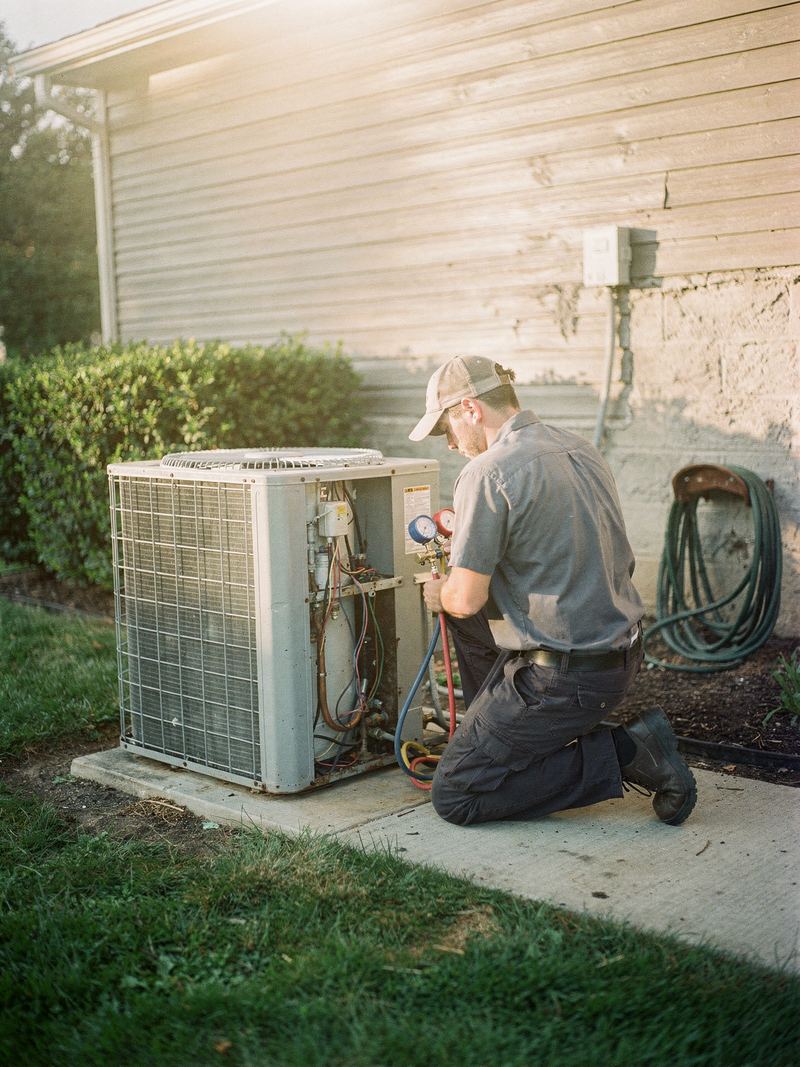
- HVAC: "For example: AC running but blowing warm air, furnace clicking but not lighting, a strange smell when the heat comes on."
- Electrical: "For example: one kitchen outlet stopped working, breaker trips when the microwave runs, quote for an EV charger."
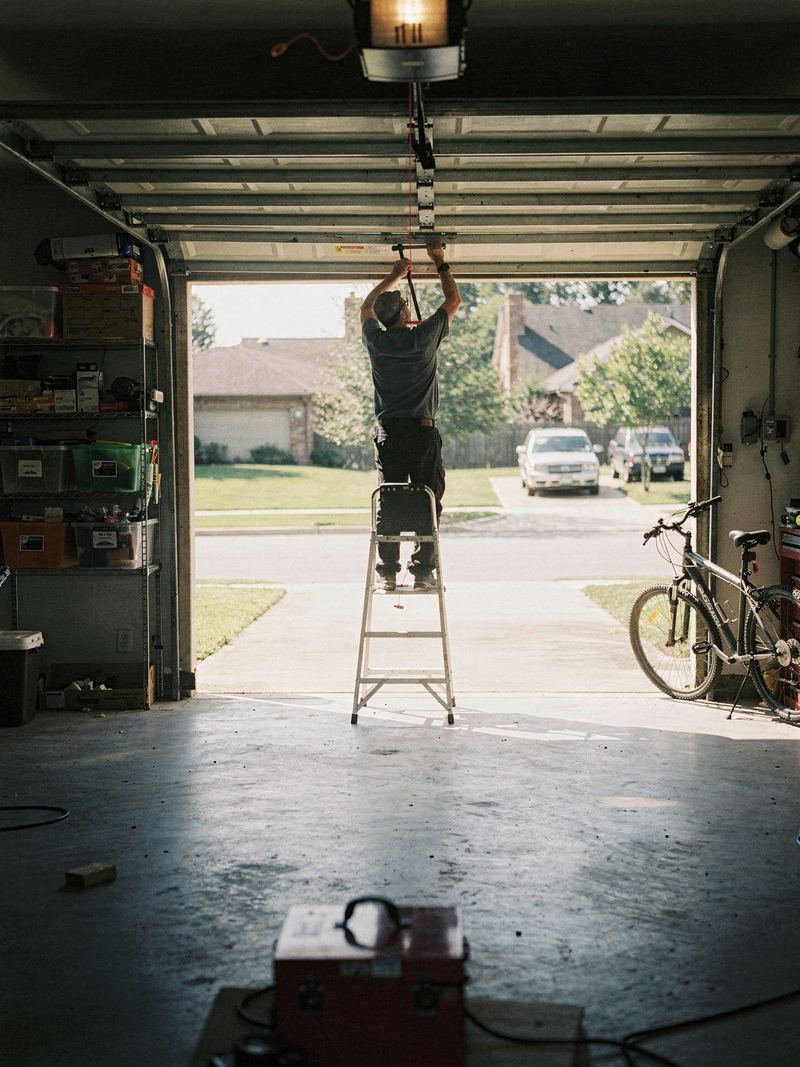
- Garage doors: "For example: loud bang and the door won't open, opener hums but nothing moves, door closes then reverses."
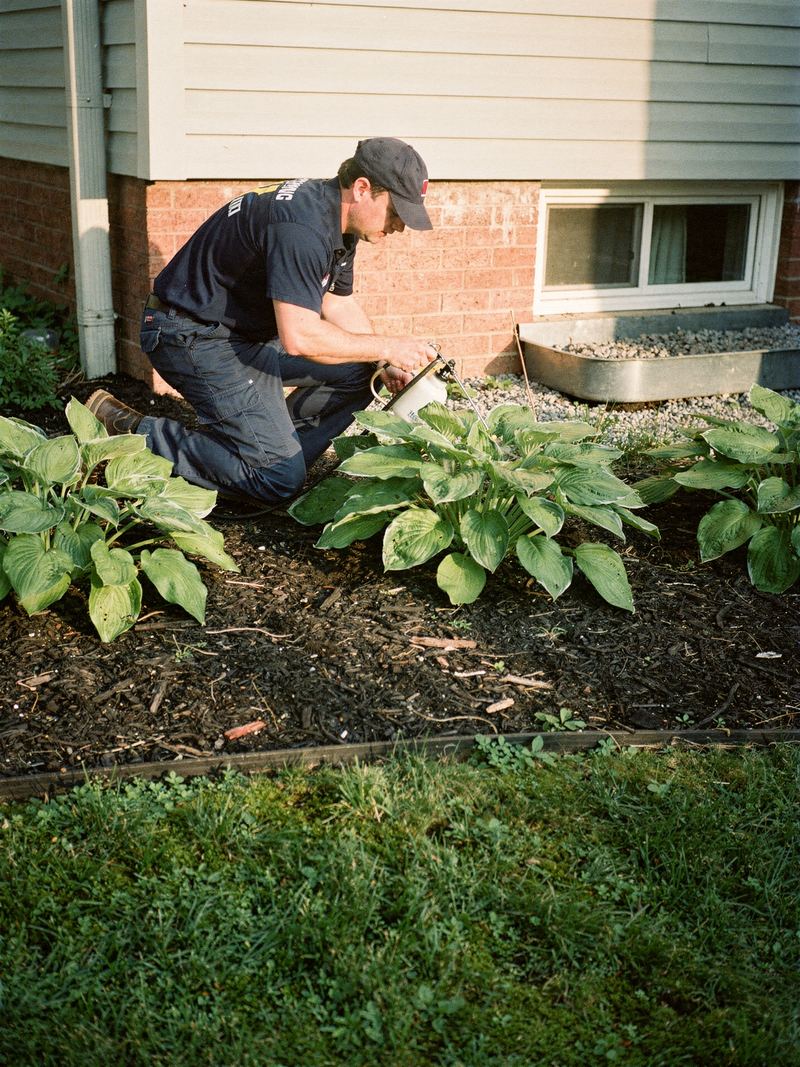
- Pest control: "For example: droppings in the garage, ants in the kitchen every spring, wasps near the back door."
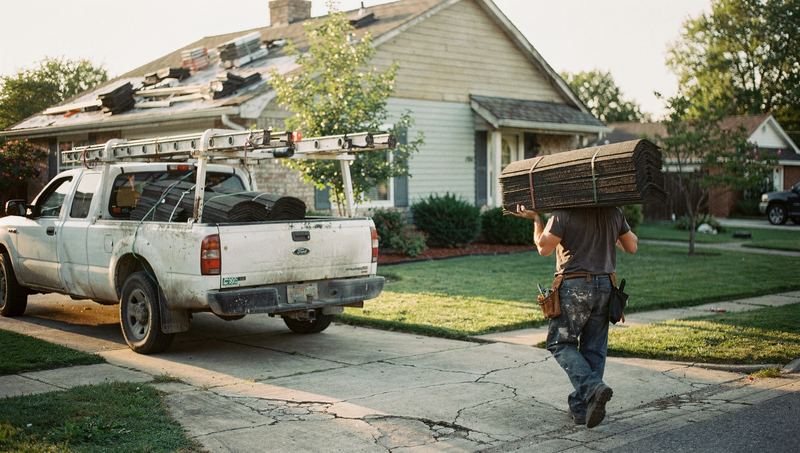
- Roofing: "For example: water stain on the bedroom ceiling after rain, shingles in the yard after the storm."
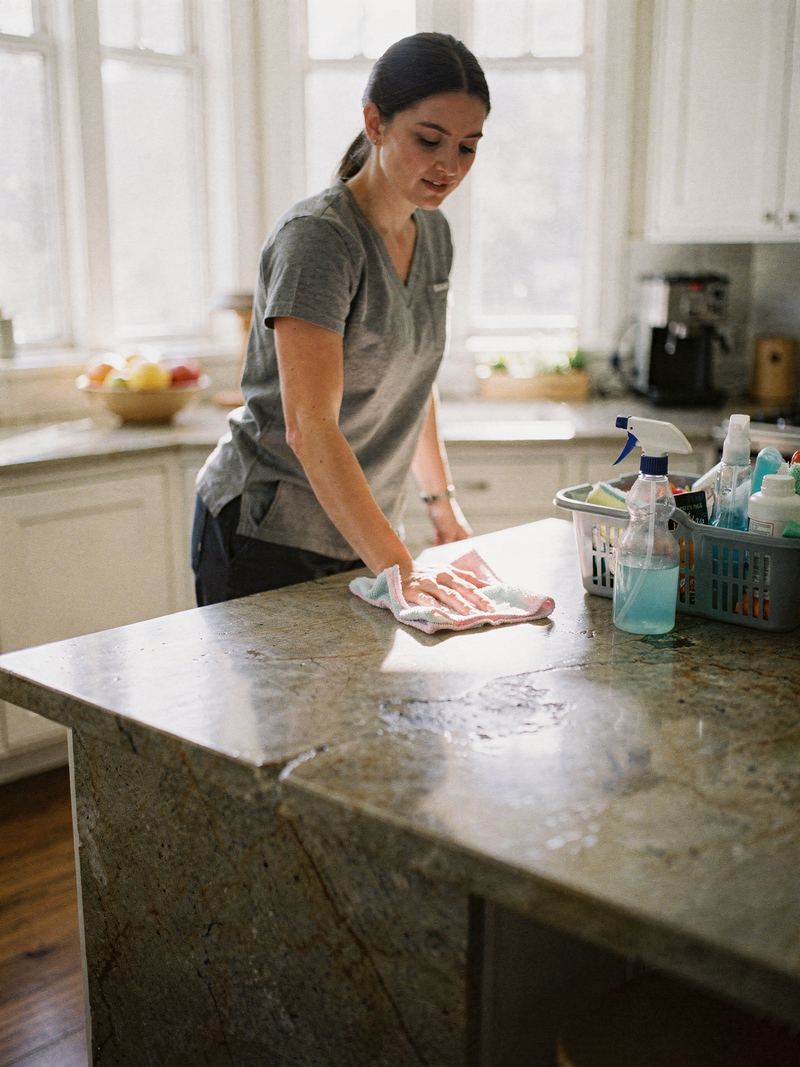
- Cleaning: "For example: move-out clean for a three-bedroom house, cleaning every other week, dust after a renovation."
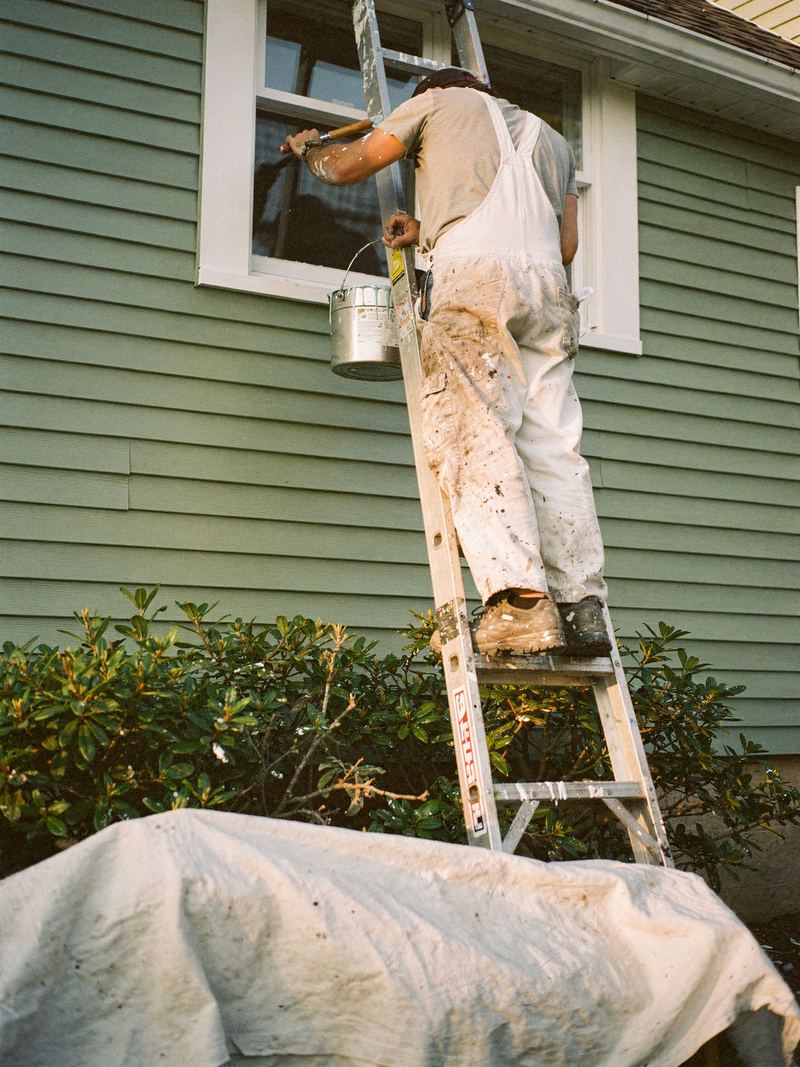
- Painting and landscaping: "For example: two bedrooms and a hallway, front yard cleanup and new mulch beds."
A homeowner can describe a symptom much more easily than a diagnosis. Let them, and do the diagnosing yourself.
Know where and when
Ask for the ZIP code early. It tells you right away whether the job is in your area. If it isn't, say so kindly and at once: "Sorry, we don't currently serve {ZIP}. We cover {list of towns}." That respects the customer's time far more than a callback that ends with "we don't go out there". Collect the full address once the job is booked.
Offer simple timing choices. For example:
- "It's urgent: water leaking, no heat, no power or I can't close the garage"
- "In the next few days"
- "I'm planning ahead or comparing quotes"
Only offer the urgent option if you truly handle urgent calls, and only for the hours you handle them. If you don't work nights or weekends, say so on the form. Where it matters, add basic safety guidance: shut off the main water valve for a burst pipe, and if anyone smells gas, leave the house and call the gas company or 911 from outside. Never let a form imply that someone is on the way when nobody is.
Ask about preferred times. A simple "Mornings, afternoons or any time?" helps you plan without pretending to offer a booking system you don't have.
Photos and details: helpful but optional
Photos can save a trip, sharpen a quote or help the tech bring the right part. Tell customers exactly which photo helps:
- The label on the water heater, furnace or electrical panel
- The ceiling stain, and the roof from the ground (never ask anyone to climb a ladder)
- The springs and opener on a garage door
- Signs of pests, without anyone disturbing a nest
- The rooms or walls to be painted and the yard areas to be cleaned up
Keep photos optional. Some people have an old phone, some are standing in water and some would rather talk. A required upload will lose them.
Collect only what your team will actually use, and handle it with care. Do not ask for card numbers or sensitive personal details on a website form. Ask for gate codes, lockbox codes and alarm details only after a job is booked, share them only with the crew who needs them and delete them when the job is done.
Keep the form short and fit it to the job
One generic form rarely fits every kind of work. Consider two or three short paths instead:
- Repair or service call: service, description, ZIP code, urgency, contact details and optional photos.
- Quote for a project: service, description, ZIP code, rough timeline, optional photos or measurements and contact details.
- Recurring service: service, size of the home or yard, how often, preferred day, ZIP code and contact details.
Mark optional fields clearly, make buttons big enough to tap with a thumb and test the form on a phone. If a field does not change how you respond, remove it.
Use the same questions on the phone and by text
Many inquiries never touch your form. Customers call, text or message you through your Google Business Profile. Use the same five questions everywhere, so every request arrives in the same shape no matter how it came in.
Phone intake script:
Text after a missed call:
Reply to a vague text or message:
Own the response
A form is only useful when someone receives it, understands it and follows up. This is where many inquiries quietly fail.
- Name one owner. Decide who checks new inquiries: the office manager, the dispatcher or you. Write it down.
- Name a backup. When that person is on a roof or on vacation, who covers?
- Set a response time you can keep, and put it on the confirmation screen. "We reply within one business day" beats a promise of "right away" that you can't keep.
- Send a confirmation. An automatic text or email that repeats what they asked for and says what happens next.
- Call back with the context. The whole point of a better inquiry is a better first conversation.
That callback takes a minute and already sounds like someone who knows the job.
Keep a simple log of every inquiry: the date and time, how it came in, the job type, when you responded and what happened. After a month or two you will see which sources send real jobs and where requests slip through the cracks. Our guide to marketing analytics for service businesses covers how to track which calls came from where.
Test the whole path before you promote it
Before you point ads, your Google profile or your truck wrap at a new form, test it end to end. Then test it again every few months, and any time you change your website, phone system or office staff.
If requests reach you by phone, text, form and your Google profile, Zome's Lead Inbox is designed to bring every call, text and request into one place, so nothing slips while you're on a job.