



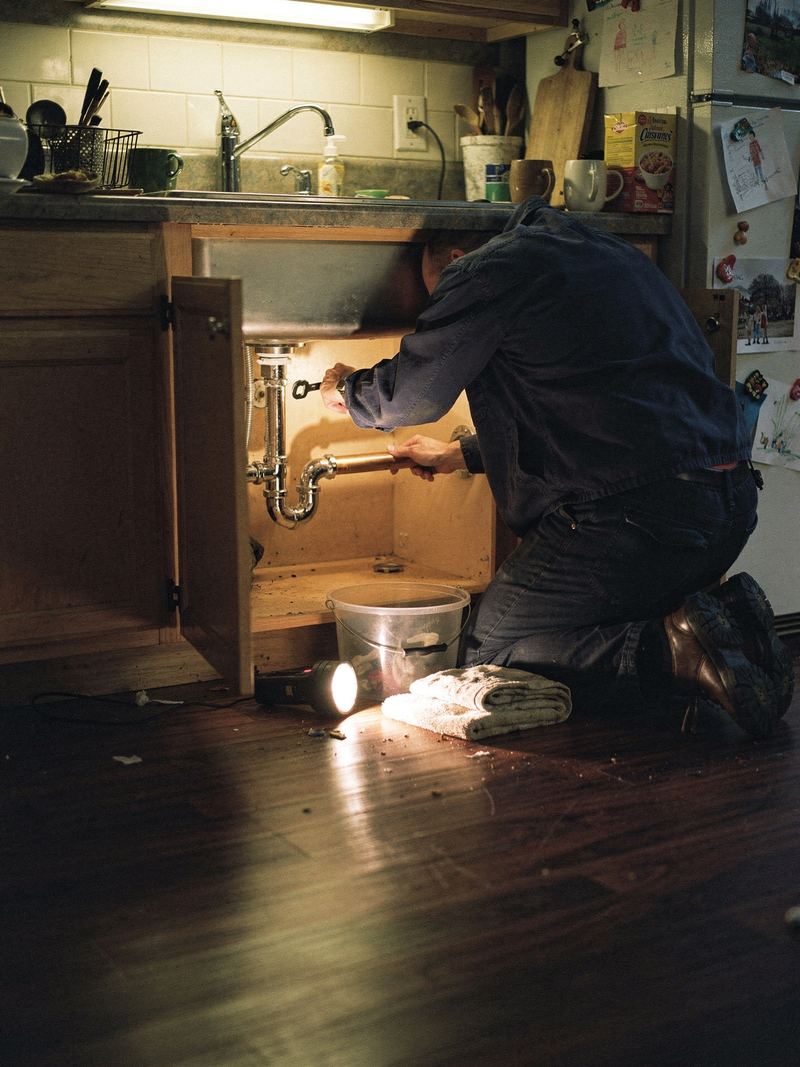





A handyman turning small jobs into regulars
An example playbook for a handyman who wants one-off small jobs to turn into regular customers who save up their to-do lists and book again.
The plan at a glance
The situation
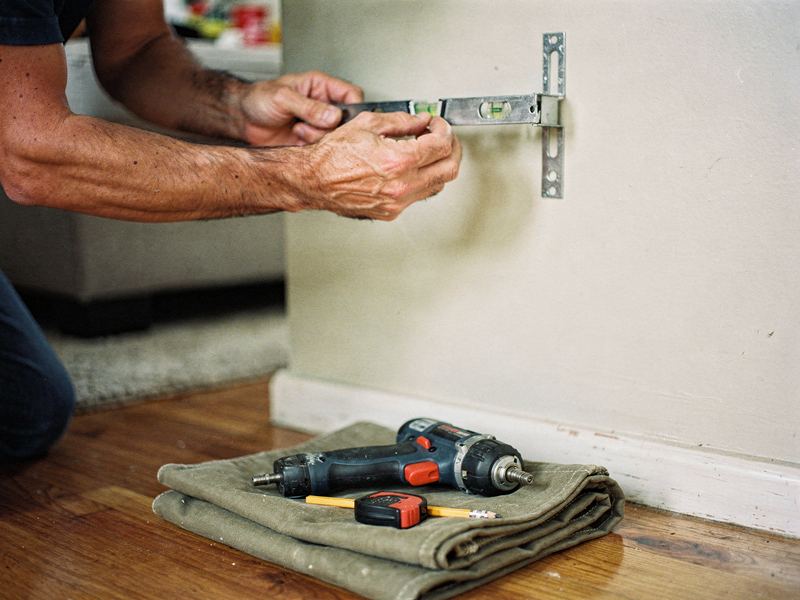
This is an example, not a customer story. Say you're a handyman with a part-time helper. You mount TVs, fix sticking doors, patch drywall, hang shelves, assemble furniture and work through punch lists before a house goes on the market. Customers like your work, and they tell you so.
The trouble is the size of the jobs. A twenty-minute fix can take an hour of your day once you add the text thread, the quote and the drive. Some weeks you zigzag across town for a string of small jobs and end up with more time behind the wheel than on the tools. And while customers love you, the next time they have a list they can't find your number, so they search again and find someone else.
You don't have a minimum charge, your prices change depending on how the day went, and you quote most jobs by text in the evening. You also get asked to do work you probably shouldn't take, like adding a circuit or moving a drain. What a handyman can legally do varies by state and city, and you're not always sure where the line is.
What's getting in the way
- Small tickets, long drives. With no minimum and no set area, small jobs eat the day.
- Quoting everything by hand. Every job starts with a text conversation, even the ones you've done a hundred times.
- Customers don't know your range. Someone who hired you to mount a TV has no idea you also fix doors and patch drywall.
- No memory. Nothing reminds past customers you exist, and you have no list to reach them.
- Out-of-scope requests. Jobs that need a licensed trade take time to sort out and turn down.
- Few reviews and referrals. Happy customers mean to say something and don't.
The plan
Week 1: Set the rules and the menu
- You run the free AI report to see how you show up for searches like "handyman near me" and "tv mounting service", and who ranks above you.
- You and Zome write your service menu: what you do, what you don't do, and who you refer the rest to. Check with your state and city about which work needs a license, and keep those jobs off the menu.
- You set a pricing structure: a minimum visit charge, flat prices for your most common tasks and an hourly rate for everything else. Our guide to pricing your services walks through the math.
- You create a "list visit": a half-day or full-day block for a customer's whole to-do list. It's the simplest way to make small jobs worth the trip.
- You pick the neighborhoods you want to work in and group them into days of the week.
Weeks 2 to 4: Make booking and pricing easy
- Zome sets up online booking around your menu. Customers pick tasks, add photos and see a starting price, or choose a list visit and type out their list. Requests only offer the days you've assigned to their neighborhood, and you confirm each booking.
- Instant quotes show flat prices for your common jobs, such as mounting a TV on drywall or assembling furniture by the piece, and a range for anything that depends on what you find behind the wall.
- After every job, the customer gets a thank-you text with your number to save and a link to book their next list.
- Review requests go out after every job, with the same neutral wording for every customer.
Months 2 and 3: Bring customers back
- Past customers who agreed to hear from you get a seasonal list reminder a few times a year: weatherstripping and caulking before winter, screens and outdoor fixtures in spring, hanging and assembly before the holidays.
- Regular customers get a personal referral link to share with neighbors, with a thank-you you choose, like credit toward their next list visit. (Referral Rewards is rolling out to founding partners, so ask about timing on your demo.)
- When you're booked on a street, you can let nearby past customers who opted in know you have an open slot in their area that week.
- Every month, you and Zome look at which tasks bring customers back, which ones don't pay for the drive, and which requests keep coming in for work you don't offer yet.
What Zome does and what you do
| Task | Zome | You |
|---|---|---|
| Service menu | Writes it up for the site and booking | Decide what you do, what you refer out and what needs a license |
| Pricing | Shows flat prices and ranges on the site | Set the minimum, flat prices and hourly rate |
| Booking | Collects tasks, photos and lists, and offers your area days | Confirm bookings and plan the route |
| After-job follow-up | Sends the thank-you and "save my number" text | Do great work and leave the place tidy |
| Reviews | Sends fair requests after every job | Reply to reviews |
| Seasonal reminders | Drafts and sends list reminders to opted-in customers | Approve the timing and the message |
| Referrals | Sends personal links and tracks who referred whom | Choose the thank-you and honor it |
| Reporting | Shows requests, repeat customers and sources | Mark jobs complete and note repeat visits |
What to track
- Repeat customers. The main number for this plan: how many customers booked more than once.
- Time between visits. Shows whether reminders are bringing people back sooner.
- List visits booked. Bigger visits mean fewer trips for the same amount of work.
- Drive time versus job time. Tells you whether your area days are working.
- Requests for work you don't offer. A signal to add a service or find a trade to refer to.
- Referrals. Shows whether your regulars are sending their neighbors.
- Review count and recency. Recent reviews help strangers trust you in their home.
Common mistakes to avoid
- Having no minimum. Without one, the smallest jobs can cost you money once you count the drive.
- Taking work that needs a license you don't hold.
- Quoting every small job by text when a published price would do.
- Letting customers disappear after one job without an easy way to save your number.
- Saying yes to jobs all over town.
Your first step
Run the free AI report to see how your business shows up for handyman searches in your neighborhoods. Or book a demo to set up your menu, prices and area days with us.

The easiest way to grow your service business online.
Get your free AI report in about a minute, then see exactly what Zome would fix first.