








Contents
- Is commercial work right for your business?
- Know who you're selling to
- What commercial work looks like in each trade
- Get vendor-ready before you pitch
- Find the buyers
- The easiest way in: be the backup
- Pricing commercial work
- Keep the account
- Getting paid
- A 90-day plan for your first account
- Mistakes to avoid
- The short version
Commercial work can smooth out the peaks and valleys of residential service. A property manager with hundreds of apartment units, an office park or a group of restaurants can send steady work all year. It also brings paperwork, payment terms and a very different way of buying.
This guide covers whether commercial work is right for you, how to get vendor-ready, where to find the buyers, how to bid, and how to keep the account once you have it.
Is commercial work right for your business?
| What you get | What it costs you |
|---|---|
| Steadier volume across seasons | Waiting on payment terms, often 30 days or longer |
| Repeat work from one relationship | Insurance requirements and compliance paperwork |
| Bigger projects and maintenance contracts | Pressure on price, especially on competitive bids |
| Less marketing spend per job | After-hours and weekend calls |
| A reference that opens other doors | Following someone else's process for approvals, access and invoicing |
Check your cash flow first. Payment terms mean you pay techs, parts and fuel weeks before the client pays you.
Cash needed to carry commercial work ≈ monthly commercial billing × (payment terms in days ÷ 30)
Know who you're selling to
"Commercial" covers very different buyers. Match your pitch to the person buying.
| Buyer | What they care about | How to lead |
|---|---|---|
| Residential property managers (apartments, rental portfolios) | Fast turns between tenants, tenant complaints handled, predictable costs | Response time, make-ready capacity, clear per-task pricing |
| Commercial and facility managers (offices, retail, medical) | Uptime, safety, compliance, documentation | Preventive maintenance plans, reports, certificates |
| HOAs and community managers | Common areas, board approval, annual budgets | Clear proposals a board can compare, annual contracts |
| General contractors | Schedule, quality, passing inspections | Reliable crews, meeting dates, clean paperwork |
| Multi-site businesses (restaurants, stores, franchises) | Minimal disruption, after-hours work, one invoice process | Flexible hours, consistent service at every site |
| National facilities management companies | Local coverage for their clients, compliance | Full setup in their vendor system, fast work order response |
What commercial work looks like in each trade
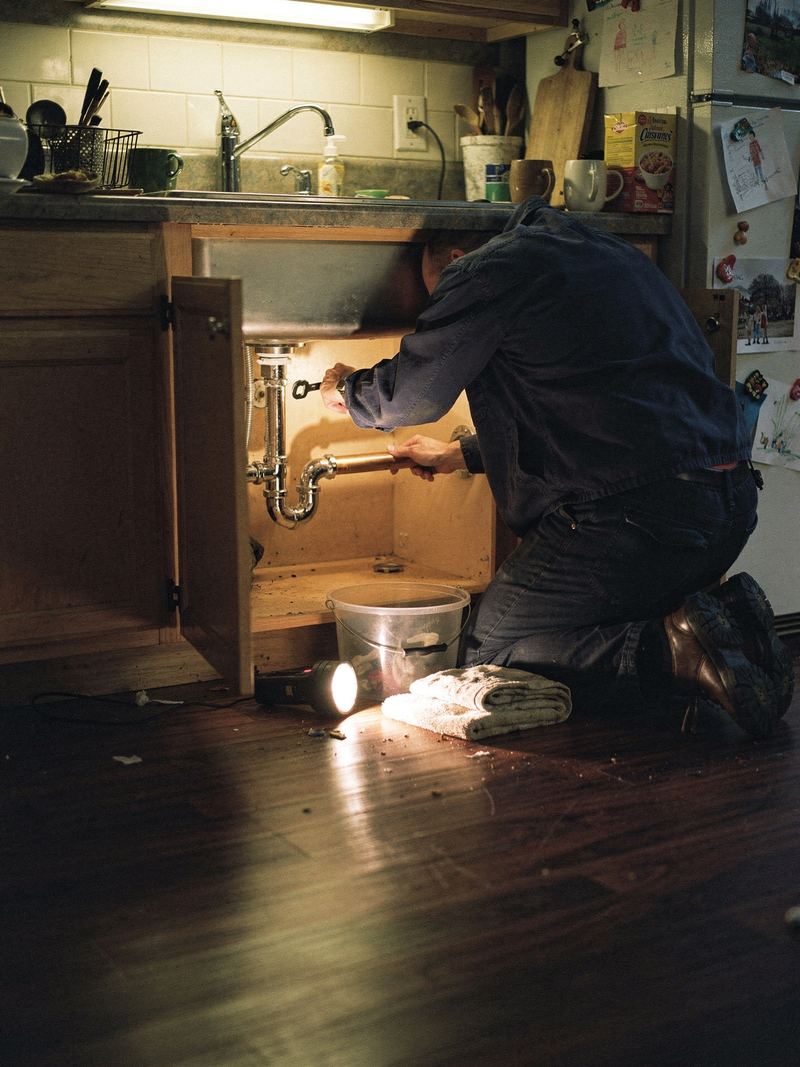
- Plumbing: make-ready repairs between tenants, water heater replacements across rental portfolios, backflow testing, drain jetting for restaurants.
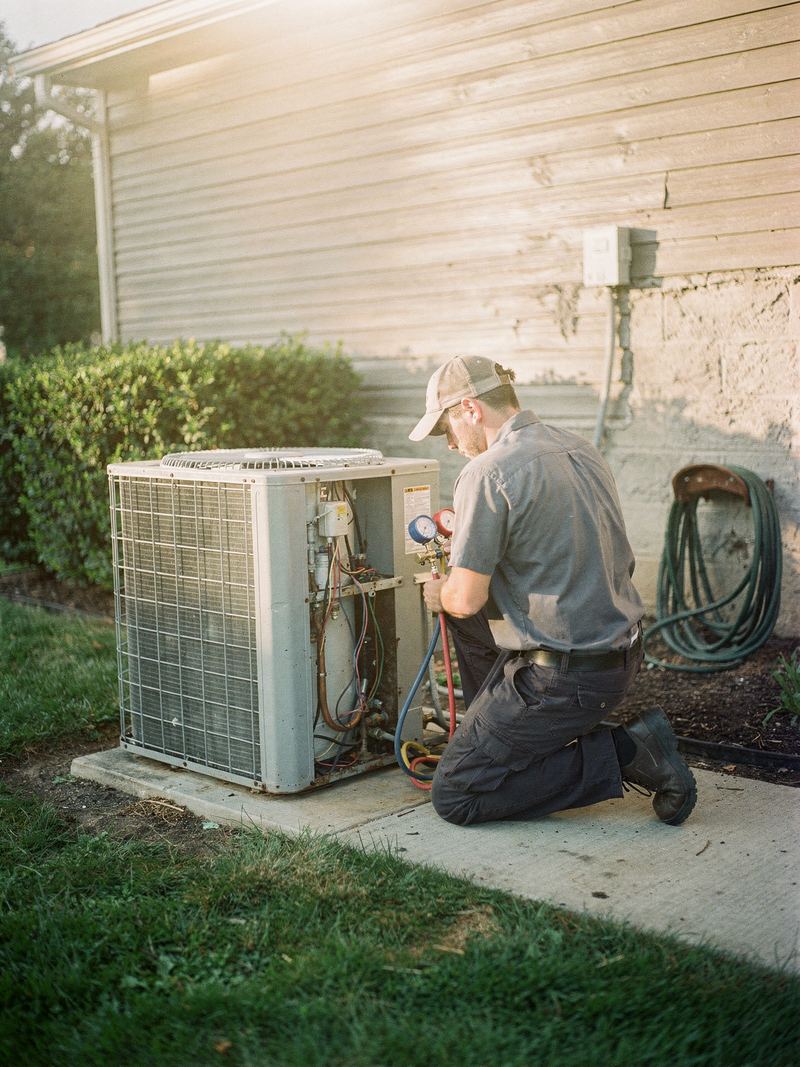
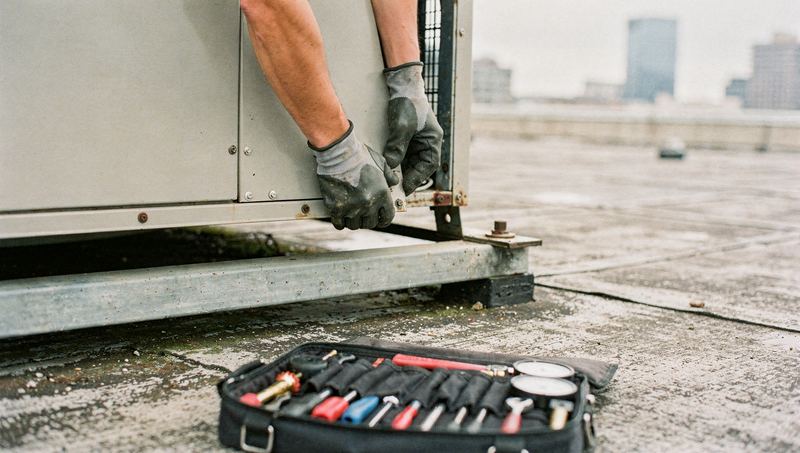
- HVAC: preventive maintenance contracts for offices and restaurants, rooftop unit service, filter change programs.
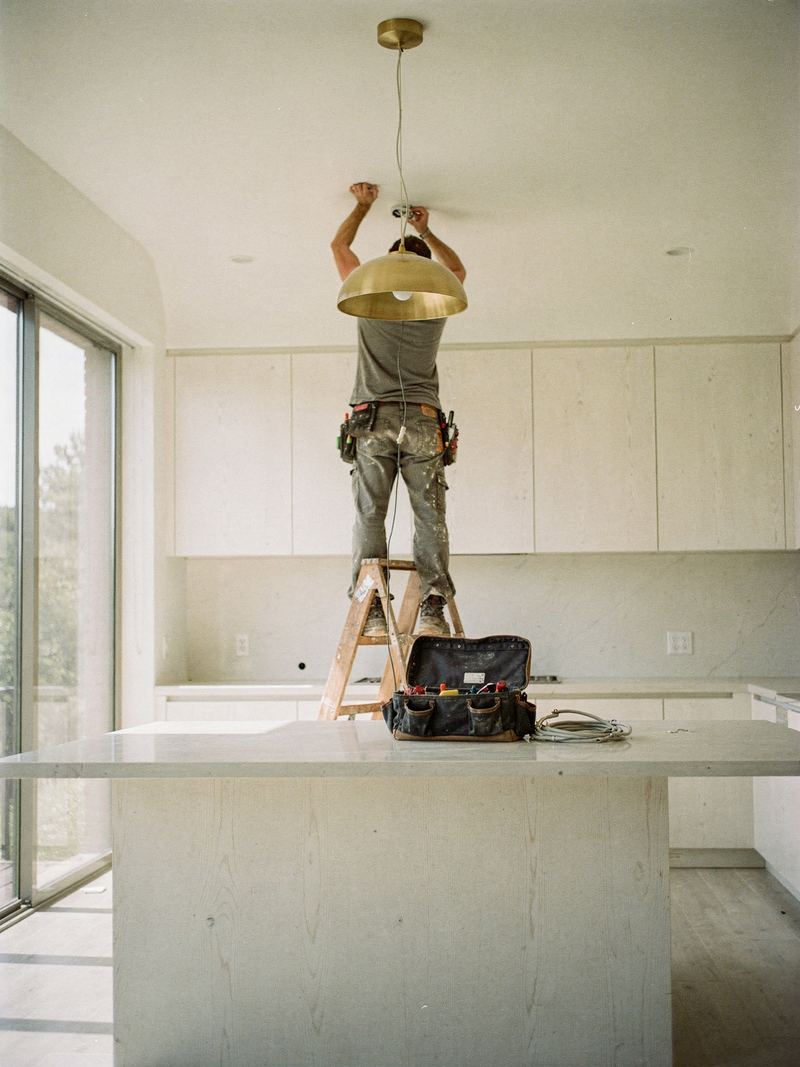
- Electrical: lighting retrofits, parking lot lighting repairs, tenant improvement work, generator maintenance.
- Roofing: inspection and maintenance programs for flat roofs, repair work orders after storms, roof condition reports before budget season.
- Landscaping: HOA and office park maintenance contracts, seasonal color, irrigation checks, snow removal in cold climates.
- Cleaning: nightly office janitorial, apartment turnover cleans, post-construction cleans for builders.
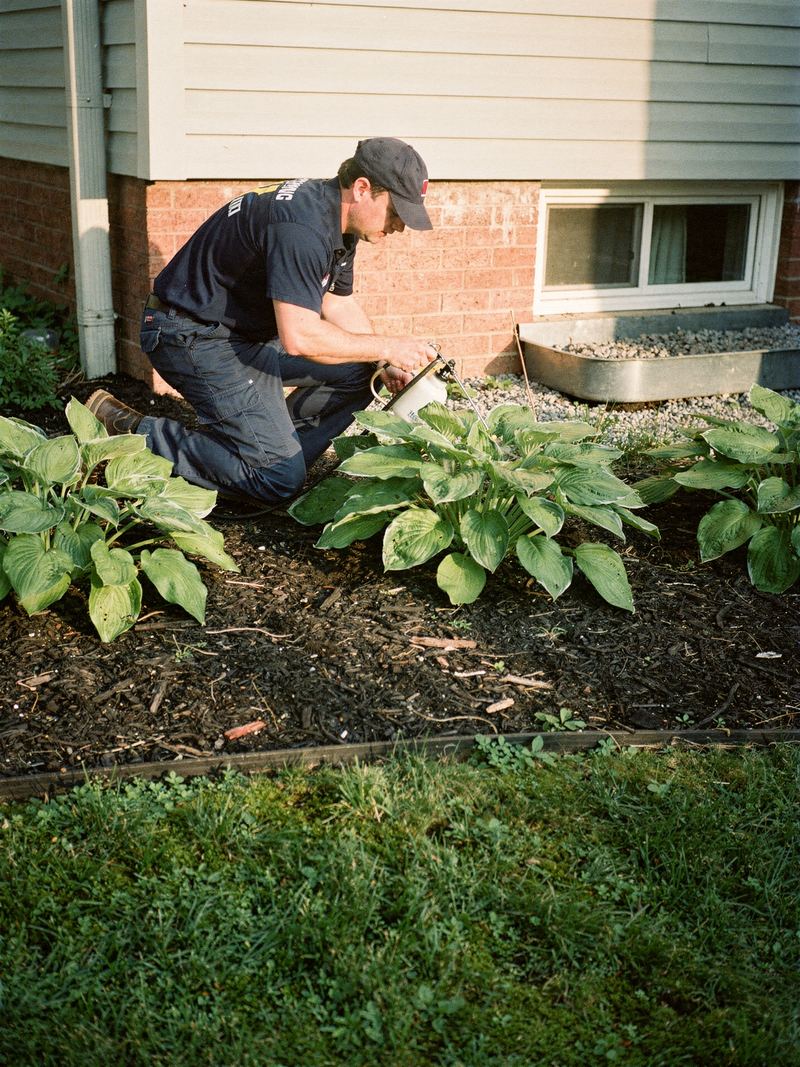
- Pest control: regular service for restaurants and food businesses, programs for apartment communities.
Get vendor-ready before you pitch
Nothing kills a commercial opportunity faster than taking two weeks to send an insurance certificate. Put this package together now:
Ask each client what insurance limits and endorsements they require. Requirements vary a lot, and changing coverage can take time. Your insurance agent can tell you what's possible and what it costs.
Many property management companies use outside vendor compliance services to collect and check insurance and documents. You may need to register with one, and some charge vendors a fee. Ask which service a client uses and check its current terms before you sign up.
The one-page capability statement
This is your commercial résumé. Keep it to a single page:
- Business name, logo, contact person, direct phone and email
- The trades and services you offer to commercial clients
- Service area and hours, including after-hours coverage you can actually deliver
- Licenses and certifications
- An insurance summary
- Types of properties you've worked on (only real ones, and name clients only with their permission)
- How you handle work orders: the response times you commit to, photo documentation and invoice format
Find the buyers
Commercial buyers don't search "plumber near me" the way homeowners do. They rely on vendor lists and recommendations. Ways in:
- Local industry groups. Many areas have an apartment association, a BOMA (Building Owners and Managers Association) chapter, an IREM (Institute of Real Estate Management) chapter or a Community Associations Institute chapter for HOA managers. Many offer supplier or associate memberships; check what your local group offers and what it costs.
- Drive your area. Apartment complexes, office parks and shopping centers often show the management company's name on signs. Make a list.
- Your existing customers. Some of your residential customers manage properties, own rentals or run businesses. Ask them.
- General contractors. GCs need reliable subcontractors. Ask how to get on their bid lists.
- Your website. Add a page for commercial and property management clients, with a way to request your COI. Managers do look you up before they call.
- Other trades. A commercial HVAC company that doesn't do plumbing may pass along work if you return the favor.
The easiest way in: be the backup
Few property managers will drop a vendor they know because you called. But most have had a main vendor who couldn't come on a Saturday or during a heat wave. Offer to be the backup.
When that call comes, show up fast, send photos, and send a clean invoice with their work order number on it. That first job is your real sales pitch.
Pricing commercial work
Commercial pricing usually takes one of these forms:
- Time and materials: an hourly rate plus parts, often with a trip charge. Agree on rates in writing, including after-hours and weekend rates.
- Flat rate per task: common for make-ready work, such as a set price per unit turnover clean or per standard fixture swap. Define exactly what's included and what's extra.
- Maintenance contracts: a set fee for scheduled visits (monthly, quarterly or seasonal), with repairs billed separately at agreed rates.
- Project bids: a fixed price for a defined scope, usually compared against other bidders.
Watch for not-to-exceed (NTE) limits on work orders. Many managers authorize work up to a set amount; above that, you need approval before you continue. Know the limit before you start and never go over it without written approval, or you risk not being paid for the difference.
Don't win bids by pricing below cost and hoping to make it up later. Use job costing and your billable hourly rate to know your floor.
Responding to an RFP or bid request
- Read the whole document before you start. Note the deadline, the format and the required forms.
- Go to the pre-bid walk if there is one. Take photos and measurements.
- Ask your questions in writing, before the question deadline.
- Answer every question in the order it was asked. Missing items can get you disqualified.
- State your scope, exclusions and assumptions clearly.
- Include insurance, licenses and references exactly as requested.
- Submit early. Late bids are often rejected outright.
Keep the account
Commercial clients stay with vendors who make their job easier. That looks like:
- Response times you can keep. Promise what you can deliver in your busiest week, then track it.
- Photos on every work order. Before and after, attached to the invoice.
- Updates without being chased. Text the manager when you arrive, when you finish, and whenever something needs approval.
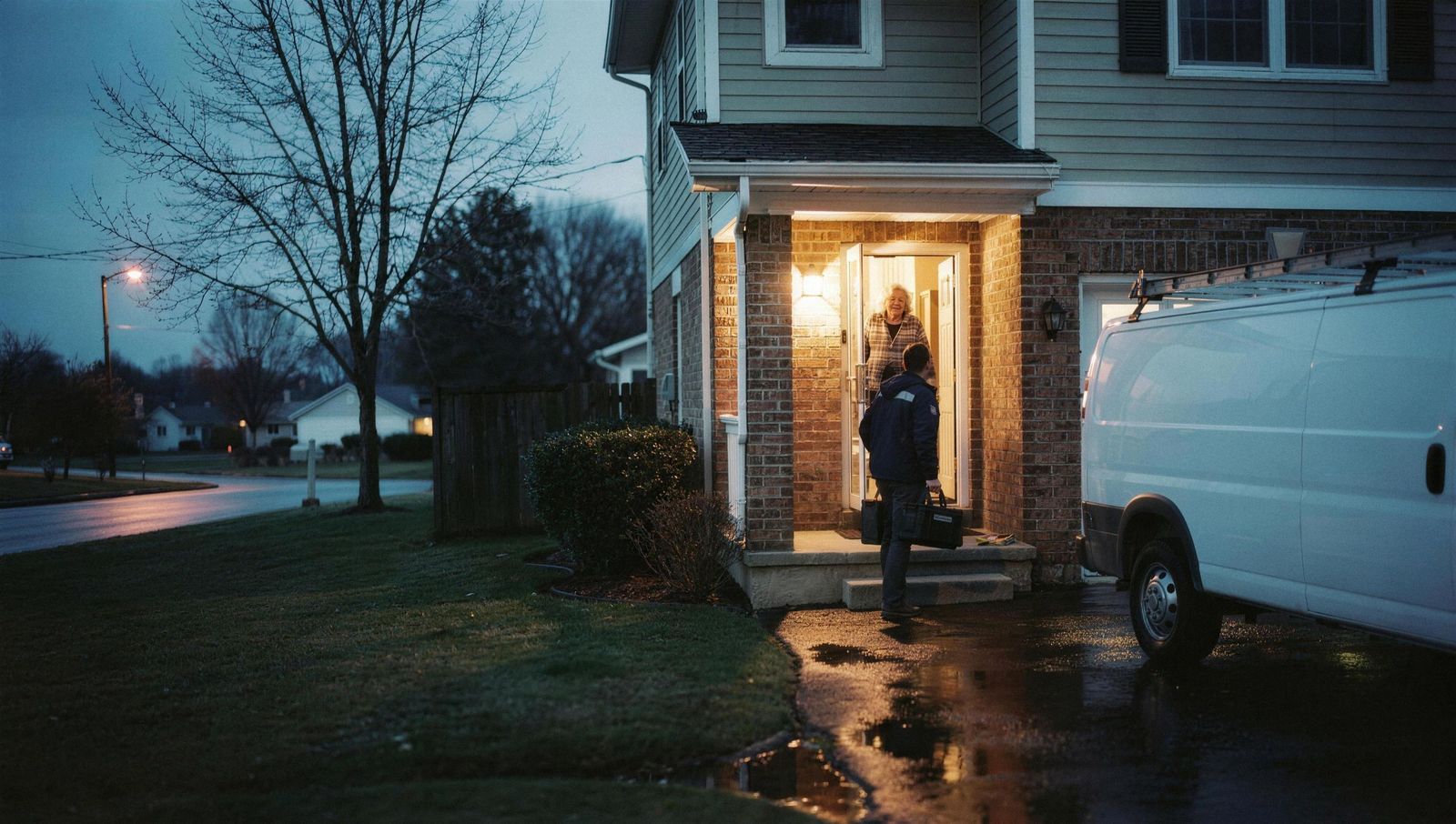
- Respect for tenants and occupants. Knock, introduce yourself, use shoe covers, clean up, and don't discuss the building's problems with tenants.
- Invoices that match their process. Work order or PO number, property, unit, a clear description, photos, sent the way they asked.
- Useful reports. An HVAC equipment list with ages, a roof condition report, a list of water heaters nearing replacement. Managers need this for budgets.
Ask each client when their budget season is. Many managers plan next year's capital projects months ahead. Bring a clear list of recommended replacements and estimated costs before budgets are set, and you give yourself a real shot at that work.
Getting paid
- Get set up in their accounts payable system and learn exactly how they want invoices submitted.
- Invoice promptly and include every reference number they need.
- Send a monthly statement of open invoices.
- On large projects, negotiate a deposit or progress payments.
- Know your options if you aren't paid. Lien rights and deadlines vary by state and are strict, so talk to a construction attorney before you need them.
A 90-day plan for your first account
- Days 1 to 30: get ready. Build your vendor package and capability statement. Talk to your insurance agent about common commercial requirements. Add a commercial page to your website. Decide which type of buyer you'll go after first.
- Days 31 to 60: get on lists. Make a list of 25 to 50 properties or managers in your area. Attend one industry group meeting. Call, email or drop off your package with the backup-vendor offer. Register with any vendor compliance service your target clients use.
- Days 61 to 90: follow up and deliver. Follow up with everyone who took your package. When the first work order arrives, treat it as the audition: fast response, photos, a clean invoice. Then ask the manager what would make you their first call.
The numbers in that plan are a starting point, not a formula. A roofer targeting a handful of large commercial buildings will work a shorter list more deeply than a cleaning company approaching every apartment community in town.
Mistakes to avoid
- Chasing a big account before your residential operation runs smoothly
- Agreeing to response times you can't meet in peak season
- Starting work without a work order number or written approval
- Letting insurance certificates lapse
- Sending a tech who isn't comfortable working in occupied commercial buildings
- Underpricing the first bid to get in, then being stuck with that price
The short version
Get your paperwork ready before you pitch, target the type of buyer that fits your trade, offer to be the backup, nail the first work order and make the manager's job easier every time. Property managers check you out online before they call, so your website and Google profile need to look like a business that can handle their work. Zome's free AI report shows how yours looks today.