



A detailer turning one-off washes into regulars
An example plan for a car detailer: clear packages, honest before-and-after photos, easy quote requests and seasonal reminders that bring customers back.
The situation
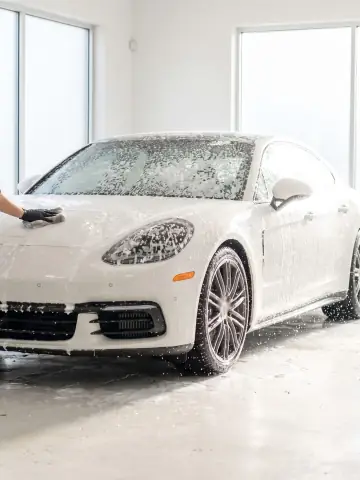
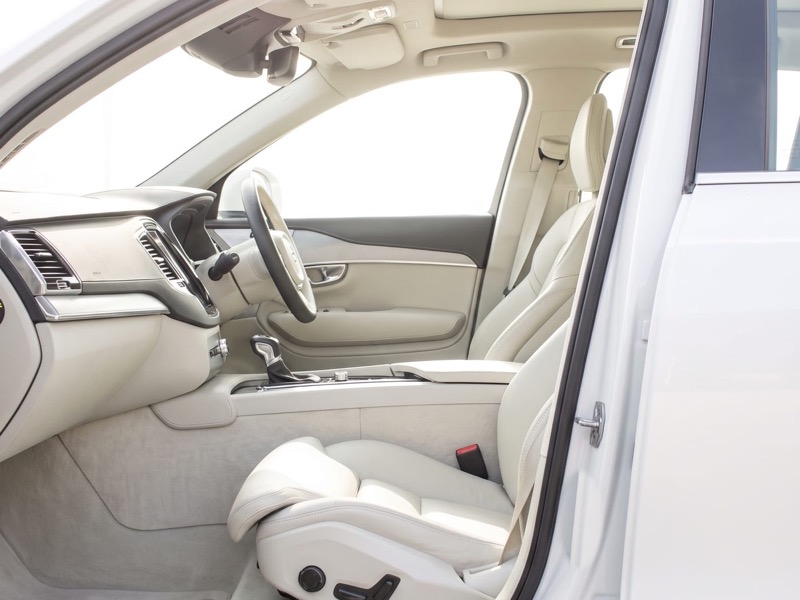
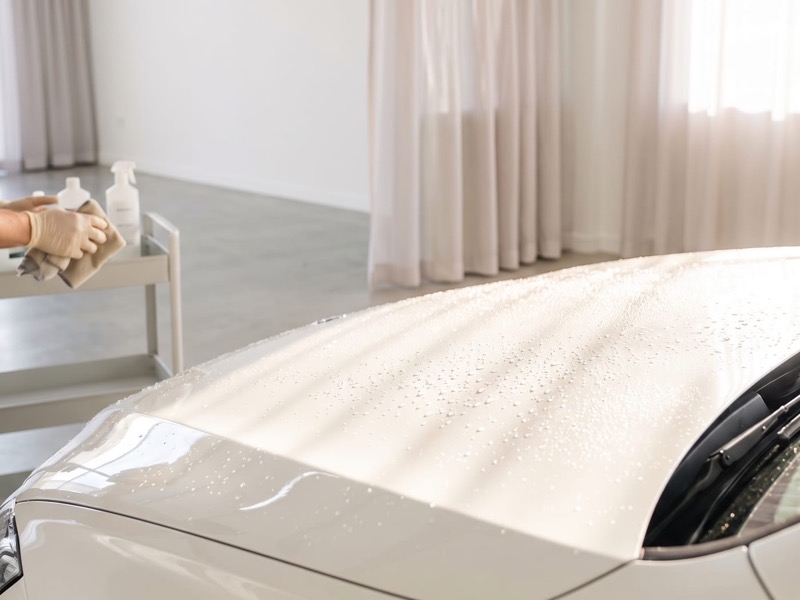
Imagine a detailing business run by an owner who loves the work. A car arrives dull and swirled, and leaves looking like new. He photographs it on his phone, posts it now and then and leaves it at that.
Customers find him through a mix of word of mouth and a Google search, and then they compare. They look at photos, read the reviews and try to work out what the difference is between an interior detail, a polish and a coating. If the website does not explain it, they ask, and many of them ask three businesses at once.
The website lists services in a short paragraph. The best photos live on a social feed that a first-time customer may never see. Quotes are sent by text after a back and forth about the car, the condition and what the customer wants. And after the job, there is no plan for the next one.
What's getting in the way
- The best work is not where customers look. Great before-and-after photos sit on a feed instead of the pages people search.
- Packages are unclear. Customers cannot tell what an interior detail, a paint correction and a coating each involve, so they delay.
- Quotes take a conversation. The owner needs the car, the condition and the goal before he can say anything useful, and the first message rarely has it.
- Reviews are scattered. A few on Google, a few on social, none asked for on a schedule.
- Customers do not come back. A detail is easy to put off, and no one reminds them when the car is due for another.
The plan
Week 1: Define the packages and gather the proof
The owner writes down what he actually sells, in plain words:
- What each package includes, and what it does not: an interior detail, an exterior wash and wax, paint correction, a ceramic coating.
- What affects the work, such as the size of the vehicle and the condition of the paint or interior, so a quote can honestly vary.
- What he will not take on, so customers do not hear it after they have asked.
Then he gathers proof. Before-and-after photos from his own work go into one folder, with each customer's permission. From now on, every job is photographed at the start and the finish, in the same light and from the same angles. Licence plates and faces stay out of the pictures.
Weeks 2 to 4: Build the front door
- A page for each service on the website, with the real photos, a plain description of the work and what the customer should tell the shop to get a useful quote. The owner sets every price.
- A quote request form through instant quotes that asks for the vehicle, the service, the condition and a few photos. The owner reviews each one and replies with a price that fits the car.
- A way to ask for a time with online booking, where the shop confirms each request itself.
- The Google profile lists every service the business really offers, with the best new photos and honest hours. If he works at customers' homes, the profile and the pages say where.
Months 2 and 3: Keep customers coming back
- After each finished job, a short, fair review request goes out with a direct link to the Google profile. Everyone eligible is asked the same way.
- Seasonal messages go to customers who agreed to hear from the shop: a pre-winter detail, a spring clean after the salt, a summer interior refresh. Each one is short, with a photo and a link to ask for a time. Customers can opt out in one tap.
- Each month, the owner looks at what came in: quote requests, requests that turned into jobs, and which pages the customers read first.
If a package page gets many questions, the description gets clearer. If quote requests arrive without photos, the form asks for them more directly.
What Zome does and what you do
| Task | Zome | You |
|---|---|---|
| Service pages | Writes and builds them with your photos | Supply the photos and approve every claim |
| Quote requests | Collects the car, condition and photos | Review each one and set the price |
| Requesting a time | Builds the request form | Confirm the day and time |
| Google profile | Drafts the services and description | Add real photos and keep hours current |
| Reviews | Sends fair requests after finished jobs | Read, thank and answer each review |
| Seasonal messages | Writes and sends to customers who opted in | Approve the wording |
What to track
- Quote requests. Shows whether more people are finding and understanding your packages.
- Requests that became jobs. Shows whether your replies and prices match what customers expect.
- Which pages customers read first. Tells you which services to photograph next.
- Returning customers. The real measure of the seasonal messages.
- New reviews. Steady proof that backs up the photos.
Common mistakes to avoid
- Showing someone else's work. Customers compare closely. Use your own cars, with permission.
- Over-promising on results. Paint, wear and age vary. Describe what the work does, not a guaranteed outcome.
- Leaving quote requests to pile up. A fast, clear reply wins the customer who asked three people.
- Writing like an advertisement. Seasonal messages should read like useful advice from the person who knows the car.
Your first step
Get the free AI report to see how your business shows up today when people search for car detailing. Or book a demo to walk through this plan with your own packages and see which tools in it are available today.
The easiest way to grow your service business online.
Get your free AI report in about a minute, then see exactly what Zome would fix first.