




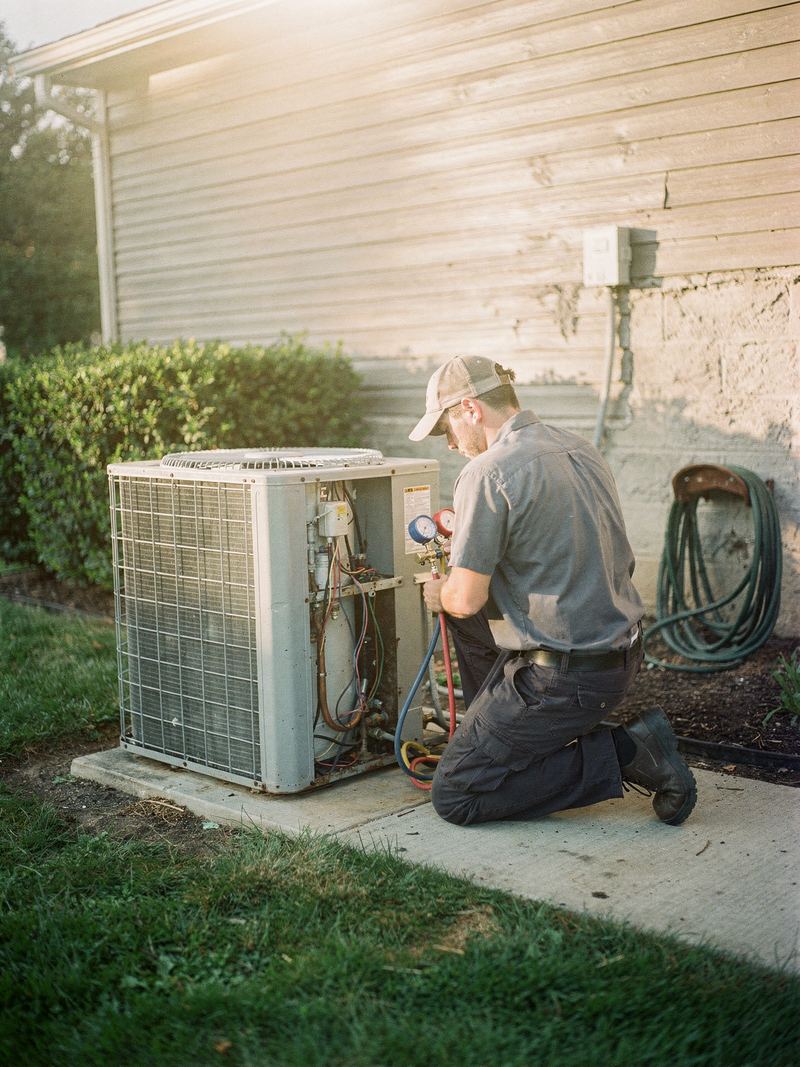










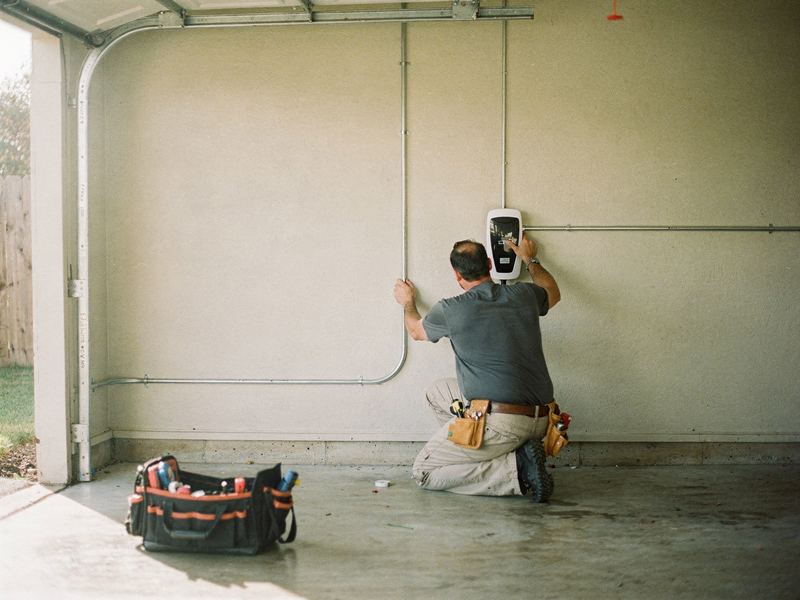
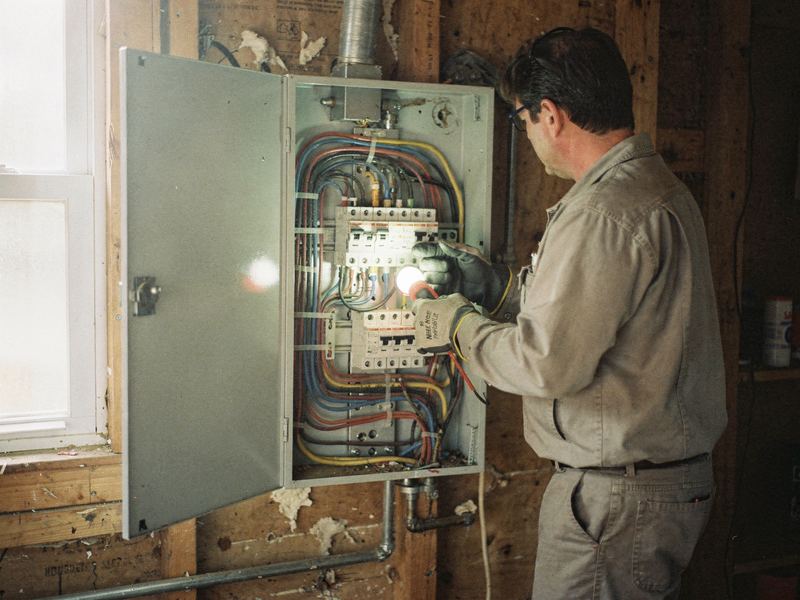
An electrician adding EV charger installs
An example plan for a small electrical company making EV charger installs a clear, well-priced service: standard scope, photo-based quotes, pages and reviews.
The situation
Imagine a residential electrical company run by a master electrician with one journeyman and one apprentice. They've been in business about eight years, mostly on service calls, remodel wiring and the occasional panel replacement. Over the past couple of years, a new kind of call keeps coming in: "I just got an electric car. How much to put a charger in my garage?"
The owner likes the work. A straightforward install is a clean day for a two-person crew, and it often leads to other jobs in the same house. But every call turns into a long conversation. He can't give a price over the phone because it depends on the panel, the distance to the garage and what's in the walls. So he drives out for a free look, spends an hour, and often the homeowner was just gathering numbers. Some customers have already bought a charger online and only want it installed. Others need a panel upgrade they weren't expecting, and the conversation gets awkward.
He wants EV chargers to be a defined service: clear scope, a price range he can stand behind, a way to quote many jobs from photos, and a website that answers the basic questions before the phone rings.
What's getting in the way
- Every job looks different. Panel capacity, the distance from the panel to the parking spot and the wall construction all change the price, so he avoids giving any number.
- Free site visits for everyone. Driving out to every inquiry costs hours he doesn't get paid for.
- Surprises about the panel. When a load calculation shows the panel can't handle the new circuit, homeowners hear about it late, and trust takes a hit.
- Customer-supplied equipment. Chargers bought online vary, and he has no policy on what he'll install.
- Invisible online. Nothing on his website or Google profile mentions EV chargers, so he's missing people who search for it.
- Rebate questions. Homeowners ask about utility programs and tax credits, and the rules change often.
The plan
Week 1: Define a standard install and the things that change the price
The owner writes down what a "standard install" means for his company. For example: a Level 2 charger on an attached garage wall, a panel with room for a new circuit, and a run under a set distance through accessible space. He lists what's included: permit, dedicated circuit, breaker, mounting, testing and a walkthrough of the charger with the homeowner.
Then he lists what changes the price: a longer run, finished walls, a detached garage that needs trenching, a panel that needs a load management device or an upgrade, and exterior mounting. Using his own labor and material costs (our guide to job costing shows the method), he sets a starting price for the standard install and rough add-on ranges for the common extras.
He also sets a policy for customer-supplied chargers, such as installing only units listed by a recognized testing laboratory and suitable for the location, with the manufacturer's warranty handled by the customer.
Finally, Zome drafts a photo checklist for homeowners: the panel with the door open, the panel label, a wide shot of the garage wall where the charger will go and the path between the two.
Weeks 2 to 4: Build the EV charger front door
Zome builds an EV charger section on the website. It covers what a Level 2 charger is, what a standard install includes, what can change the price, why a load calculation matters, how permits and inspections work locally and what to expect on install day. For rebates, it links to the official utility and government pages rather than naming amounts that may change.
Instant quotes show a starting price for standard installs, with a plain note that the final price is confirmed after the owner reviews photos or visits. Customers who want to go ahead use online booking to request an install. The request asks about the car, the charger (bought or needed), the home's age and the photo checklist.
With photos in hand, the owner sorts requests into three piles each morning:
- Clear standard installs. He confirms the price by text and schedules.
- Needs a quick call. A few questions settle the scope.
- Needs a visit. Complex runs or a panel that looks tight get a site visit, and the owner can decide whether to charge a fee for it that's credited to the job.
The Google Business Profile gets EV charger installation added as a service, along with install photos.
Months 2 and 3: Get found and build proof
Zome builds local SEO pages for EV charger installation in the towns the company serves, plus related pages for the panel work that sometimes comes with it. Each page uses real photos and explains the process honestly, including when a panel upgrade may be needed and when load management may be an alternative.
Review requests go out after every completed job, EV or not. Each customer gets the same short text with a link. Over time, reviews from EV customers help the next one feel confident.
The owner also tries one or two low-cost ways to meet customers where they buy cars. For example, he introduces himself to local dealerships and asks whether they share a list of installers with buyers. Zome can create a simple one-page summary he can leave behind.
Each month, the owner reviews EV requests, how many he quoted from photos, how many needed visits, jobs won, average ticket and how often panel work was needed. He adjusts the starting price and add-on ranges if they're consistently off.
What Zome does and what you do
| Task | Zome | You |
|---|---|---|
| Standard install definition | Provides a template and example scope | Decide scope, pricing and equipment policy |
| Photo checklist | Drafts it for customers | Confirm it shows what you need to quote |
| EV charger pages | Writes and builds them with your photos | Check every technical and permit statement |
| Instant quotes | Sets up the starting price display | Set and update the prices |
| Online booking | Sets up the request form with photo upload | Review requests and confirm schedules |
| Google profile and local SEO | Adds the service and builds town pages | Supply install photos |
| Reviews | Sends the same request after every job | Reply to reviews with Zome's suggested drafts |
| Dealership leave-behind | Creates a one-page summary | Make the introductions |
What to track
- EV charger requests. Tells you whether customers now find and understand the service.
- Share quoted from photos. Each job quoted remotely saves a drive and an hour.
- Close rate on EV quotes. Shows whether your price and process are competitive.
- Average ticket, standard versus complex. Helps you check the starting price and add-on ranges.
- Panel work uncovered. Shows how often EV jobs lead to bigger electrical work and helps you plan crew time.
- Time from request to install. Customers with a new car in the driveway notice delays.
Common mistakes to avoid
- Publishing a price you can't hold. Show a starting price for a clearly defined standard install, not a flat price for every garage.
- Skipping the load calculation. It protects the customer and your license. Do it before promising a scope.
- Promising rebates or credits. Point to official program pages, and suggest customers ask their accountant about tax questions.
- Installing anything a customer hands you. Have a clear equipment policy and stick to it.
- Cutting corners on permits. Pull the permit and pass the inspection every time. It's part of what customers are paying a licensed electrician for.
Your first step
Get the free AI report to see whether someone searching for EV charger installation in your area can find you today, and what your website and Google profile say about your services. Or book a demo to set up your EV charger plan with us.

The easiest way to grow your service business online.
Get your free AI report in about a minute, then see exactly what Zome would fix first.