




An electrician earning trust for panel upgrades
An example plan for an electrician who loses panel upgrade jobs to doubt: visible credentials, honest explanations, photo-based proposals and steady reviews.
The situation
Imagine a residential electrical company with an owner, two electricians and an apprentice. They've been in business about twelve years, and they're known for careful, code-compliant work. A lot of their jobs are in older neighborhoods, where they regularly find panels that are full, outdated or showing signs of trouble. Newer homes call too, when owners want to add a heat pump, an EV charger or a hot tub and the existing panel may not have room.
Panel upgrades are important work, but they're a hard sell. The homeowner can't see the problem. The price is significant, and the result is a gray box that looks much like the old one. Homeowners worry they're being upsold, so they get a second and third quote. Those quotes may cover very different scopes, and the cheapest one often wins, or the homeowner decides to wait.
The owner doesn't want to use scare tactics. He wants homeowners to understand what he found, see the options clearly, and trust that his company is licensed, insured and careful before they ever let him open the panel.
What's getting in the way
- Invisible work. Homeowners can't see what's wrong with a panel, so a recommendation can feel like a sales pitch.
- Hidden credentials. The license number, insurance and years of experience aren't on the website or Google profile.
- Quotes that are hard to compare. A single number with a line of text doesn't show what's included, so it gets compared with cheaper quotes that leave things out.
- Few reviews. Happy customers were never asked, so there's little proof of careful work.
- An unclear process. Homeowners don't know about permits, utility coordination or how long the power will be off, and uncertainty leads to delay.
- Slow estimates. Quotes go out days after the visit, and nobody follows up.
The plan
Week 1: Put your credentials where people look
Zome starts with trust. On the website and the Google Business Profile, it adds the company's license number, a clear statement that the company is insured, years in business, the service area and a short "about us" with real photos of the team at work. Some states require license numbers in advertising, so the owner confirms his state's rule and Zome applies it everywhere the company advertises.
Then Zome writes a plain-English panel upgrades page covering:
- Common reasons homeowners consider an upgrade: adding big new loads, a full panel, outdated equipment, or findings from a home inspection or insurer.
- When an upgrade may not be needed, and alternatives the owner considers, such as load management for some EV setups.
- What the process looks like: assessment, written options, permit, utility coordination, installation day, inspection.
- How long the power is typically off for this company's installs, based on the owner's own experience.
The owner reviews every sentence for accuracy.
Weeks 2 to 4: Proposals that show the customer what you saw
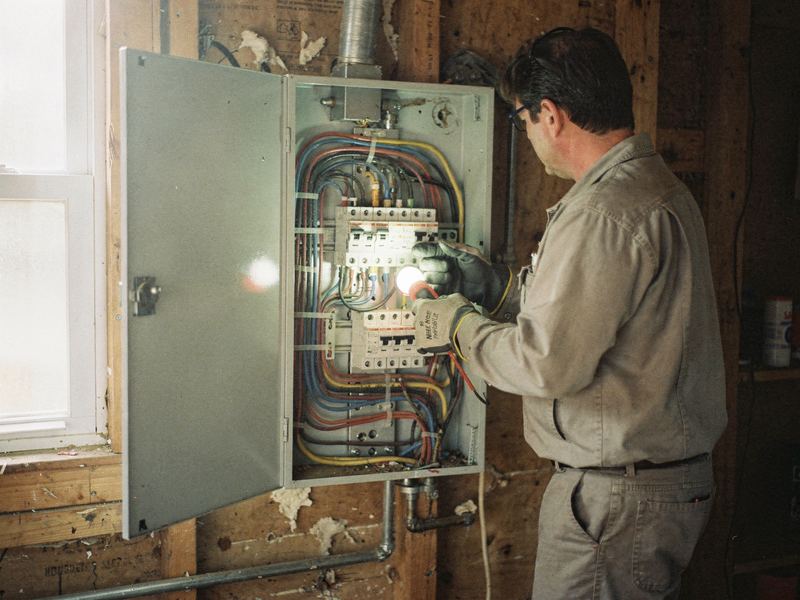
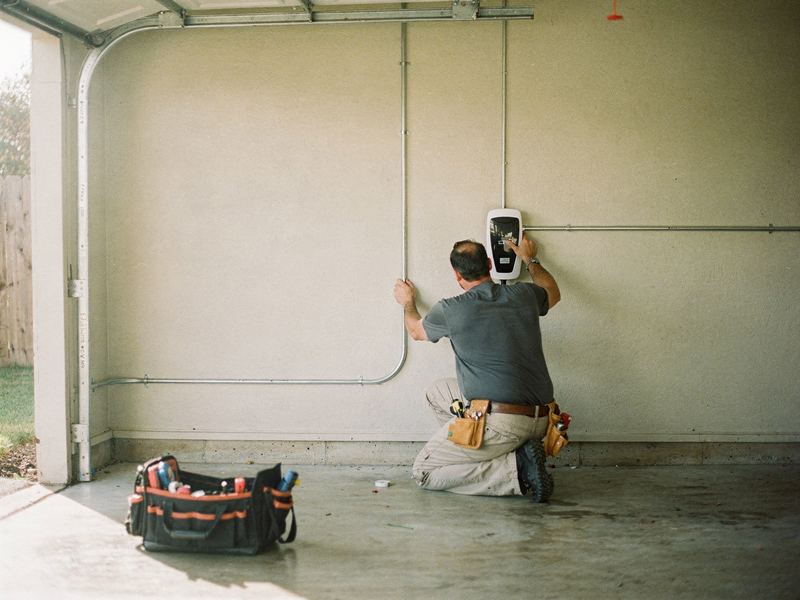
Zome sets up proposals designed around a short assessment. After looking at the panel, the electrician takes a few photos: the panel with the cover off, any scorching, corrosion or double-tapped breakers, the meter and the service entrance. The proposal shows those photos with a one-line explanation under each, so the homeowner sees what the electrician saw.
Then it lays out the options, for example:
- Repair and correct the specific issues found, where that's a safe choice.
- Replace like-for-like with a new panel of the same capacity.
- Upgrade capacity for planned additions like a heat pump or EV charger.
Each option lists what's included: permit, utility coordination, labeling, surge protection if offered, inspection and cleanup. The owner sets every price. Proposals go out within a set time after the visit.
Panel-related requests land in the lead inbox with their own tag. The request form asks what prompted the call (a new appliance, flickering lights, an inspection report) and invites a photo of the panel and its label. Open proposals get a gentle follow-up: a note a couple of days later offering to answer questions, then a reminder for the owner to call.
Months 2 and 3: Build proof, one job at a time
Review requests go out after every completed job, with the same short text and link for every customer. Zome drafts replies for the owner to edit, including thoughtful responses to any critical reviews.
With the homeowner's permission, finished panel jobs become short project write-ups on the website: a before photo, an after photo, what was found and what was done, with no addresses or identifying details. The Google profile gets the same photos and regular posts explaining common panel questions.
The owner also takes a hard look at the proposal results each month. Which option do homeowners choose? Where do quotes stall? If most stall after the first proposal, he tries offering a short phone call to walk through the photos. If homeowners mostly choose repair, he checks that his upgrade recommendations are well explained and truly needed.
What Zome does and what you do
| Task | Zome | You |
|---|---|---|
| Credentials online | Adds license, insurance and team details everywhere you appear | Confirm your license number and your state's advertising rules |
| Panel upgrades page | Writes it in plain English | Check every technical statement and process detail |
| Assessment photos | Builds the proposal layout around them | Take clear photos on every visit |
| Proposals | Formats options, inclusions and explanations | Recommend honestly and set every price |
| Lead inbox | Tags panel requests and sets reminders | Reply and schedule assessments |
| Follow-up | Sends the agreed check-ins | Make the personal call when reminded |
| Reviews | Sends the same request after every job and drafts replies | Mark jobs complete and approve replies |
| Project write-ups | Writes them from your photos and notes | Get homeowner permission before publishing |
What to track
- Panel requests and where they came from. Shows whether the new page and profile are bringing in the right calls.
- Assessments that become proposals. Makes sure every visit gets a written follow-through.
- Time from assessment to proposal. Speed signals professionalism.
- Proposals won, by option. Tells you what homeowners value and whether your recommendations land.
- Where proposals stall. Points you to the step that needs work: explanation, price or follow-up.
- Recent reviews. Proof that careful work is noticed and a signal of trust for the next homeowner.
Common mistakes to avoid
- Using fear. Explain what you found, show it and let the customer choose. Scare tactics lose trust even when they win the job.
- Recommending an upgrade you wouldn't do in your own home. If a repair is safe and fits the customer's plans, offer it.
- Leaving scope vague. If your quote includes the permit, inspection and utility coordination, say so. Otherwise it gets compared with quotes that don't.
- Hiding your license. Homeowners inviting someone into their electrical system want to see it up front.
- Asking only the happiest customers for reviews. Google's policies don't allow selectively asking for positive reviews, and a fair process builds more credible ones.
Your first step
Get the free AI report to see what a homeowner learns about your company before calling, including whether your credentials, reviews and services are easy to find. Or book a demo to plan your panel upgrade approach with us and see which tools in it, like proposals, are available today.
The easiest way to grow your service business online.
Get your free AI report in about a minute, then see exactly what Zome would fix first.