








A two-truck plumber who wants the midnight calls
An example plan for a small plumbing shop that wants more after-hours emergency work without burning out: answering, triage, Google profile and reviews.
The situation
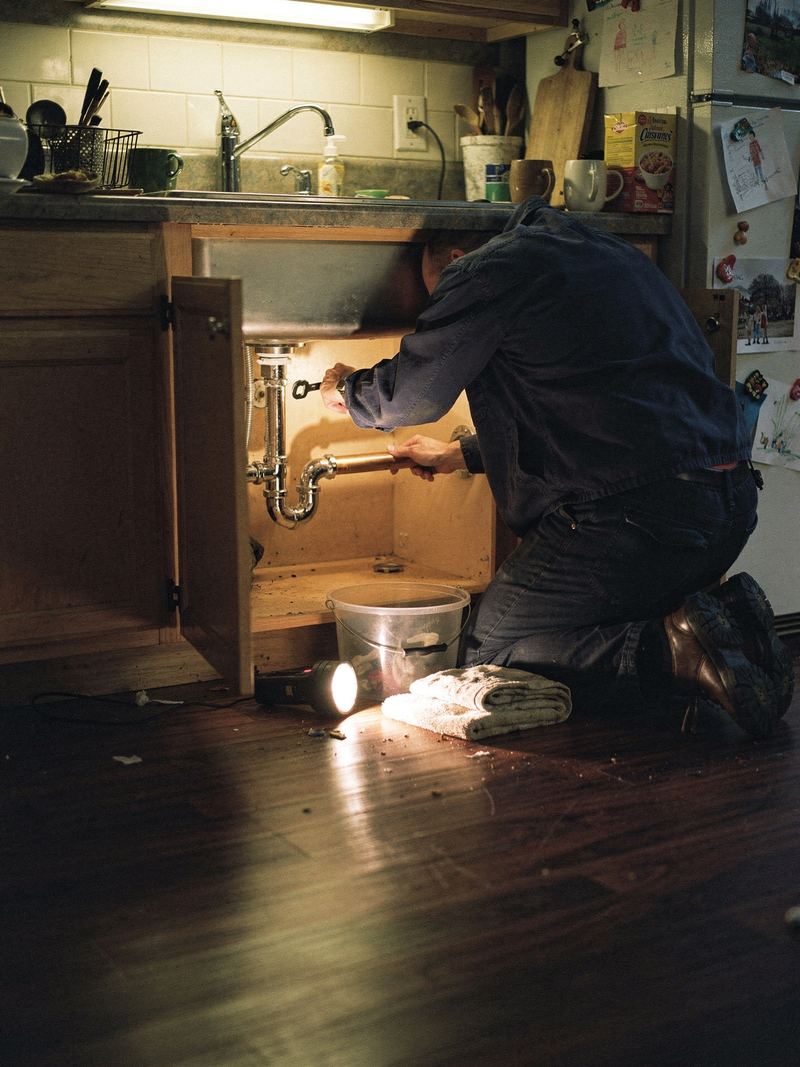
Imagine a plumbing company with two trucks: the owner, one licensed plumber and an apprentice. They've been in business about ten years, and most of the work comes from repeat customers, a couple of local builders and word of mouth. Daytime work is steady. Nights and weekends are a different story.
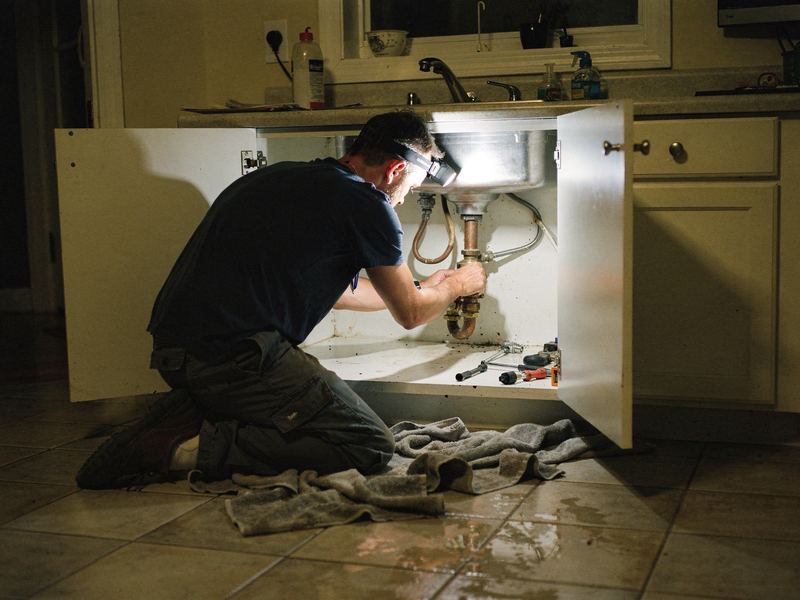
When a supply line bursts at 11pm, the homeowner doesn't compare websites. They search "emergency plumber near me", tap the first number that looks local and open, and keep calling until someone answers. Right now this company's phone forwards to the owner's cell after 6pm. Sometimes he picks up; sometimes he's asleep or already under another sink. The voicemail greeting still gives the old office hours. His Google Business Profile shows weekday hours only, and the website mentions emergency service once, in the footer.
He wants the midnight calls. Emergency work can pay well, and a customer you rescue at 2am often calls you first for years. But he has tried "just answer everything" before and it wore him down. He wants a system: every call answered, real emergencies sorted from problems that can wait, a clear after-hours price, and an on-call rotation his plumber is paid fairly for.
What's getting in the way
- Nobody reliably answers after hours. A missed call at night is usually a lost job, because the caller simply tries the next number on the screen.
- Google says they're closed. The profile hours and the website don't explain what happens after hours, so the business looks unavailable at exactly the wrong moment.
- No triage. A slow drip under a vanity can wait until 8am. Sewage coming up a floor drain can't. Without a script, the owner either rolls on everything or talks himself out of good jobs.
- No set after-hours price. He quotes on the fly, feels awkward about it and sometimes undercharges for a 1am call-out.
- Few recent reviews. Past customers were happy, but nobody asked them to say so, and nothing on Google shows the company actually turns up at night.
- Burnout. One person on call every night is not a plan.
The plan
Week 1: Set the rules, then fix what customers see
First, the owner decides the rules, because every message and page depends on them. Zome gives him a one-page worksheet:
- Which hours count as after hours, and which nights the business will take calls.
- The after-hours call-out fee, what it covers and when it's due, written in one sentence a customer can understand.
- What counts as an emergency: active water that won't stop, no water to the house, sewage backing up, a leaking water heater. And what gets booked for the next morning.
- Who is on call which nights, and how that person is paid for being on call and for each call they run.
- A smaller night service radius, if driving 40 minutes at 2am isn't worth it.
Then Zome fixes what customers see. On the Google Business Profile, it sets hours the business will truly honor, adds emergency services, uploads real photos of the trucks and crew, and posts a short note about after-hours service. On the website, it builds an emergency plumbing page with a tap-to-call button at the top, the emergency list from the worksheet, the after-hours fee explained in plain words, the towns covered at night, and simple instructions for finding and closing the main shutoff valve while the customer waits. The owner re-records the voicemail greeting using a script Zome drafts.
Weeks 2 to 4: Answer every call and sort the urgent ones
Zome turns on missed-call text back with two versions: one for business hours and one for nights. The night version might read: "Sorry we missed you, this is [Company]. If water is leaking now, turn off your main shutoff valve. Reply with your address and what's happening and our on-call plumber will call you back shortly." The owner approves every word.
Next comes the AI receptionist, a newer Zome product (ask on your demo what's available today). It answers after-hours calls in the company's name, asks the triage questions from the worksheet and takes the address and callback number. True emergencies go straight to the on-call phone with a short summary. Everything else gets a call first thing in the morning. It quotes only the call-out fee the owner set and never diagnoses or guesses at repair prices.
For the first two weeks, the owner reads every after-hours summary each morning and tightens the rules. Maybe water heater calls with no active leak can wait until morning.
At the same time, Zome turns on review requests. When a job is marked complete, the customer gets a short, friendly text with a direct link to the Google review form. Every customer gets the same request, not just the ones who seemed happiest.
Months 2 and 3: Get found for urgent searches and tune the system
With the phones covered, Zome works on being found. It builds local SEO pages for the emergencies the owner wants more of: burst pipes, sewer backups, leaking water heaters and, where the climate calls for it, frozen pipes. Each page covers what to do right now, what the visit involves and which towns are covered at night. Profile posts go out around predictable busy moments, like a hard freeze in the forecast.
Zome drafts replies to every new review for the owner to edit and post. Each month, the owner and Zome review the after-hours numbers: contacts, real emergencies, jobs booked, and whether the fee and on-call pay still make sense. If the on-call plumber is out every night, it's time to share the rotation or narrow the night radius.
What Zome does and what you do
| Task | Zome | You |
|---|---|---|
| After-hours rules | Provides the worksheet and example wording | Set the fee, emergency list, radius and on-call pay |
| Google Business Profile | Updates hours, services, photos and posts | Supply real photos and only approve hours you can honor |
| Emergency page | Writes and builds it, with tap-to-call and shutoff steps | Check the advice and approve the fee wording |
| Missed-call text back | Sets up day and night messages | Approve the wording and reply to texts |
| AI receptionist | Answers, asks triage questions and routes emergencies | Set escalation rules and review summaries each morning |
| Review requests | Sends the same request after every completed job | Mark jobs complete and approve review replies |
| Local SEO pages | Researches searches and writes emergency service pages | Confirm which services you truly offer at night |
| Monthly review | Reports after-hours contacts and where they came from | Decide on fee, radius and rotation changes |
What to track
- After-hours contacts. Calls, texts and messages outside business hours tell you how much night demand you actually have.
- After-hours response rate. The share that got a live answer or a reply shows whether the system works.
- Time to callback. In an emergency, a slow callback often means the customer found someone else.
- Emergency versus next-morning split. This shows whether your triage rules are sending the plumber out for the right calls.
- After-hours jobs booked. The real outcome, weighed against on-call pay.
- Average after-hours ticket. Compare it with daytime to check the fee covers the cost of night work.
- New Google reviews. A steady flow of recent reviews helps customers trust you at a stressful moment.
Common mistakes to avoid
- Listing 24-hour service when nobody answers. A customer who calls a "24 hours" number and gets voicemail at midnight is worse off than one who saw you were closed.
- Letting automation quote or diagnose. Keep the AI receptionist and texts to triage and the call-out fee you set. Prices for the repair come from the plumber on site.
- Rolling on every call. Triage protects your crew's sleep for the calls that can't wait.
- Leaving on-call pay vague. If the plumber on call isn't fairly paid, the rotation won't last.
- Only asking happy customers for reviews. Google's rules don't allow filtering who gets asked. Ask everyone the same way.
Your first step
Start with the free AI report. It shows how your business looks to someone searching at night: your hours, your Google profile and whether your website makes calling easy on a phone. Or book a demo and we'll sketch your after-hours plan with you.
The easiest way to grow your service business online.
Get your free AI report in about a minute, then see exactly what Zome would fix first.