










A landscaper building weekly maintenance routes
An example plan for a landscaper turning scattered mowing accounts into dense weekly routes: target zones, pricing, a season program and neighbor referrals.
The situation
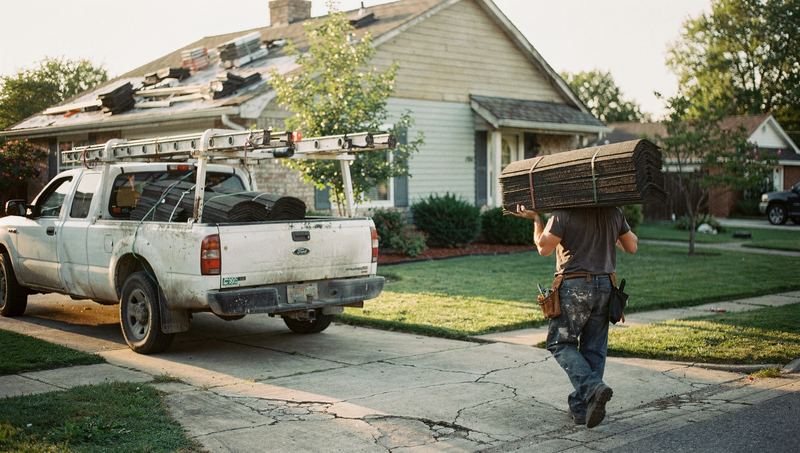
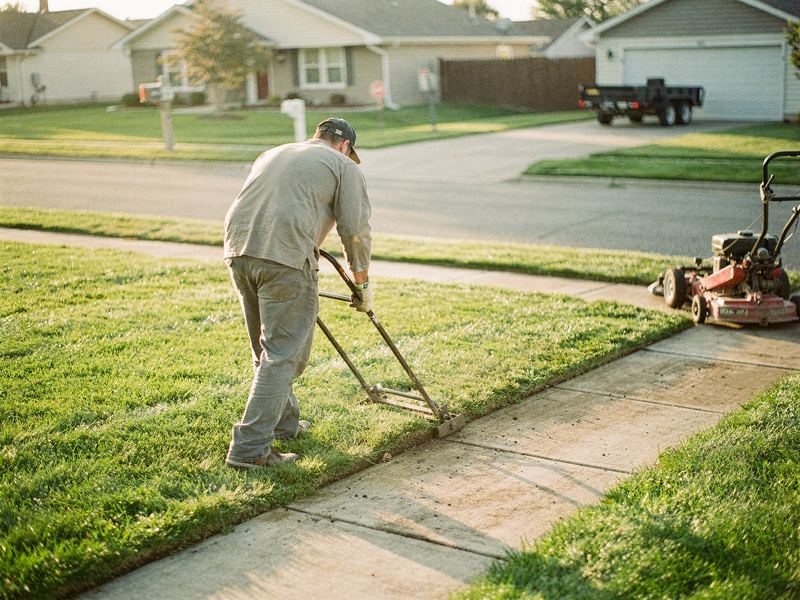
Imagine a landscaping company with an owner and two crews of two. They've been in business about six years. Spring is a blur of cleanups and mulch, summer is mowing and small projects, and fall brings leaf cleanups before things go quiet for winter. Weekly mowing is the backbone of the season, but the accounts were collected one at a time, wherever a customer happened to call from.
The result is a map with pins everywhere. One crew mows a lawn on the east side, drives fifteen minutes to the next, then crosses town for a third. The owner can feel that the driving is eating the profit, but he's never measured it. Prices were set by eye over the years, so two similar lawns on the same street may pay very different amounts. Every spring, a wave of requests arrives at once, and he spends evenings driving around to look at lawns and texting prices.
He wants to build routes on purpose: most weekly customers in a few neighborhoods close to each other, consistent pricing, customers signed up for the whole season rather than week to week, and time left over for the project work he enjoys.
What's getting in the way
- Scattered accounts. Drive time between stops is unpaid time, and it adds up across a season.
- Inconsistent pricing. Prices set by eye make some lawns unprofitable and make it hard to quote quickly.
- Slow quoting. Driving to every lawn before giving a price takes evenings and delays the answer.
- Week-to-week customers. Without a season commitment, customers drop off in dry spells or when money is tight, leaving holes in the route.
- Requests from everywhere. Inquiries come from well outside the areas where a stop would fit a route.
- Unclear expectations. Customers aren't sure what happens on rain days, with holidays or when grass stops growing in a dry spell.
The plan
Week 1: Choose the zones and set the prices
The owner and Zome put every current weekly account on a map. Clusters usually appear: a few neighborhoods where the company already has several stops. The owner picks two or three target zones close to each other and to his yard. The rule becomes: weekly maintenance inside the zones; projects and cleanups can still go wider.
Next, he builds a simple price guide. He groups lawns into size bands (small, medium, large, plus "needs a look") and sets a per-visit price for each band that covers crew time on site, a share of drive time, equipment and overhead, with a minimum per visit. Our guide to calculating your billable hourly rate shows how to build the hourly number underneath it. Existing customers who are well below the guide get a friendly note before next season rather than a sudden jump.
He also defines a season program: weekly mowing, trimming and blowing from spring through fall, a spring cleanup and a fall cleanup, with optional add-ons like mulch, aeration and hedge trimming.
Weeks 2 to 4: Make it easy to say yes inside the zones
Zome sets up instant quotes for weekly mowing: a page that lists the target neighborhoods and shows the starting per-visit price for each lawn size band. Customers inside the zones request service with their address and a photo of the lawn. Customers outside the zones are invited to ask for a project or cleanup quote instead. The owner confirms each new customer's lawn size, often from satellite imagery or a quick drive-by, before the first visit.
Zome builds a maintenance plan page for the season program: what's included, how pricing works, how billing works, and plain answers to the questions customers always ask: rain days, holidays, dry spells, and how to pause or cancel.
At the same time, Zome builds local SEO pages for lawn care in each target neighborhood and town, and updates the Google Business Profile service area to match. Each page shows real photos from lawns the crew maintains, shared with permission and without addresses.
Before the season, Zome sends an email and text to past customers who opted in, offering the season program to those inside the zones and spring cleanups to everyone.
Months 2 and 3: Fill the gaps between stops
Now the goal is density. Zome turns on Referral Rewards for current weekly customers: a personal link to share with neighbors and a thank-you, such as a free mowing visit or a credit toward a cleanup, when a neighbor signs up for the season. (Referral Rewards is rolling out to founding partners, so ask about timing on your demo.) Each neighbor on the same street is a stop with almost no drive time.
The crews help too. When they finish a lawn, a small card with the company's name and the neighborhood page goes to any neighbor who asks, and trailer and truck signage stay clean and readable.
Mid-season, Zome sends in-zone customers a note about add-ons that fit the calendar, like fall aeration and overseeding or the fall cleanup sign-up. A short template text covers weather delays, so every customer on a route hears the same clear message when rain pushes the schedule.
Each month, the owner looks at stops per route day, drive time between stops, revenue per crew hour, new sign-ups by zone and cancellations. When a zone fills up, he considers a new one next to it.
What Zome does and what you do
| Task | Zome | You |
|---|---|---|
| Map accounts and pick zones | Helps plot current accounts to show clusters | Choose the zones that fit your yard and crews |
| Price guide | Provides a worksheet and size-band template | Set the prices and the minimum visit |
| Instant quotes | Shows starting prices by size band for your zones | Confirm lawn size before the first visit |
| Season program page | Writes and builds it with clear policies | Decide what's included and how billing works |
| Local SEO and Google profile | Builds zone pages and updates service area | Supply real photos and approve content |
| Past-customer messages | Writes and sends to opted-in customers | Approve each message |
| Referral rewards | Sets up personal links and tracking | Choose the thank-you and deliver it |
| Monthly route review | Reports sign-ups, zones and cancellations | Adjust zones, prices and crew schedules |
What to track
- Stops per route day. The clearest measure of route density.
- Drive time between stops. Shows how much of the day is spent on the road rather than on lawns.
- Revenue per crew hour. Combines pricing and density into one number that tells you whether routes are profitable.
- Share of weekly accounts inside target zones. Shows whether the route is actually tightening.
- Season sign-ups versus week-to-week customers. Season commitments make the schedule predictable.
- Referrals by zone. Tells you which neighborhoods are filling in on their own.
- Cancellations and reasons. Helps you fix pricing, communication or quality problems early.
Common mistakes to avoid
- Saying yes to every weekly request. A lawn far outside your zones can cost more in drive time than it earns. Offer projects instead.
- Raising old customers' prices without warning. Explain the change before the season and give them time to decide.
- Promising exact days. Weather moves schedules. Promise a service window and communicate clearly when it shifts.
- Pricing by guesswork. Size bands and a minimum visit keep quotes fast and fair.
- Using real addresses or customer names in marketing. Share photos only with permission and without identifying details.
Your first step
Get the free AI report to see how your business shows up for lawn care searches in the neighborhoods you want to serve. Or book a demo and we'll map your accounts and sketch your first route zones with you.


The easiest way to grow your service business online.
Get your free AI report in about a minute, then see exactly what Zome would fix first.