







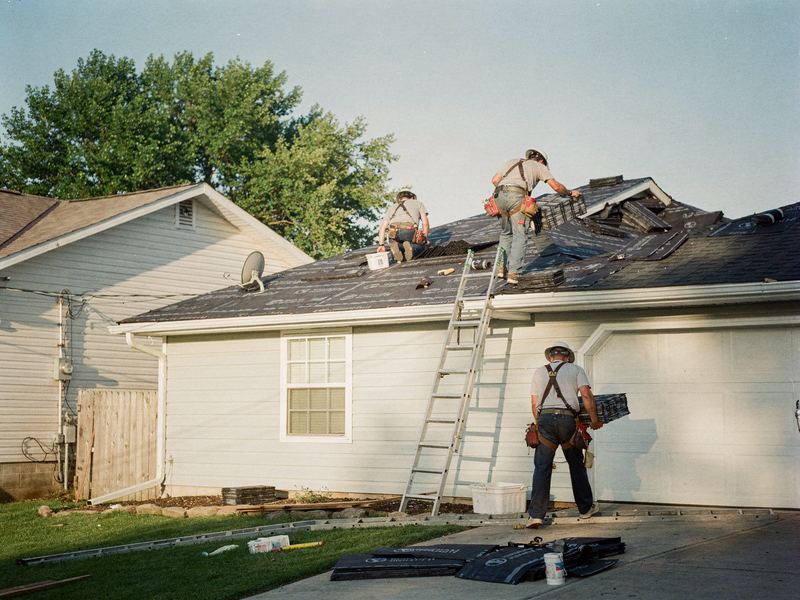
A roofer who wants more referral work
An example plan for a roofer who wants referrals to become a system: a smooth job experience, well-timed asks, simple share links and tracking who sent whom.
The situation
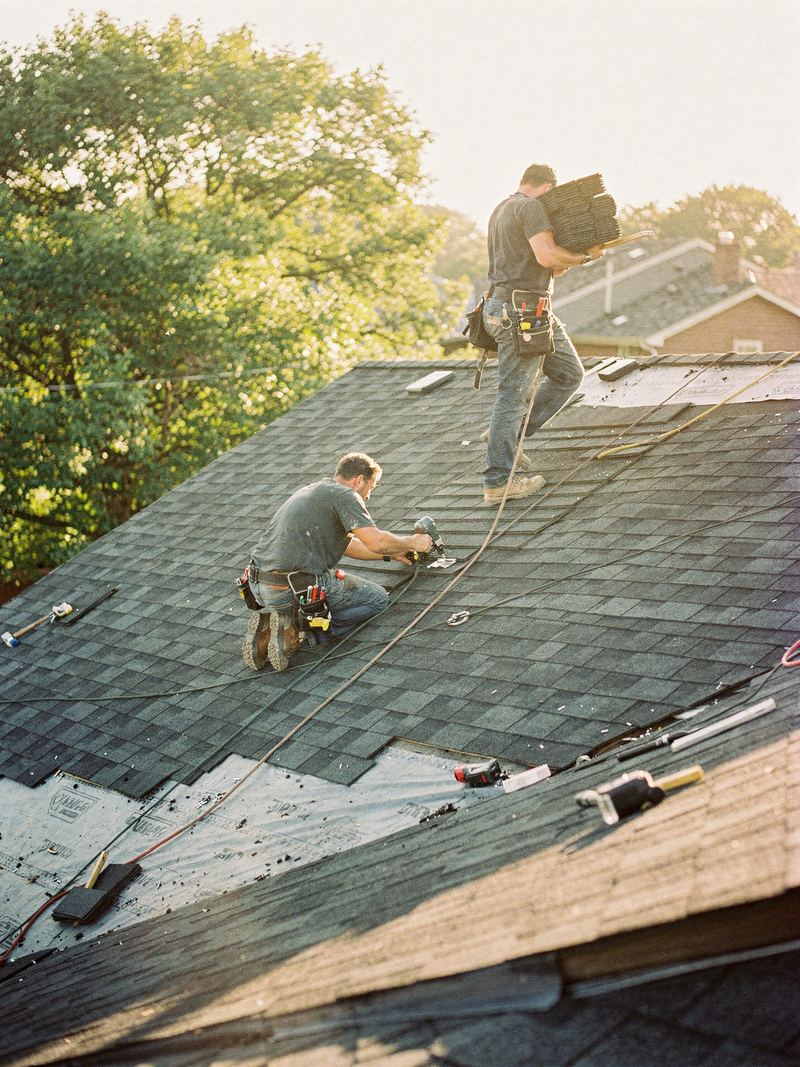
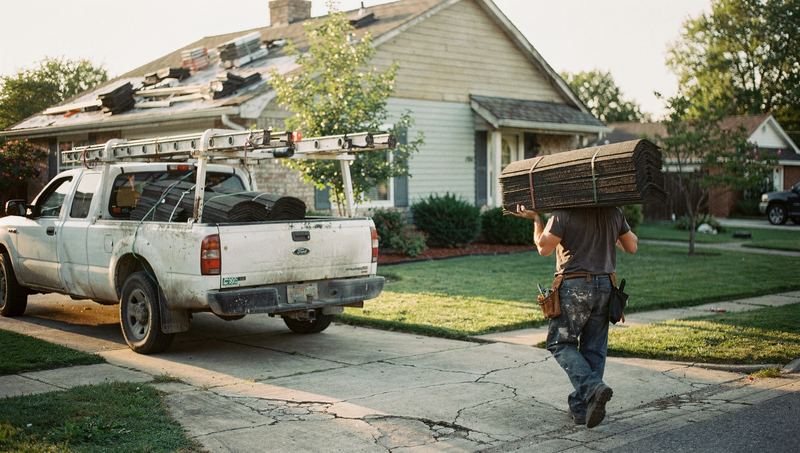
Imagine a roofing company that's been in the same area for about twenty years. The owner runs sales and estimates, a crew lead runs two installation crews, and the owner's spouse handles the office. They have a good local name. When the owner thinks about his best jobs, the ones with fair margins, easy customers and no competing bids, most started with a referral: a neighbor who watched a roof go on, a customer's brother-in-law, a real estate agent who remembered him.
The trouble is that referrals come and go on their own schedule. Some months are full of them, others are quiet, and the owner fills the gaps with paid leads that are often shared with other roofers. He has no idea who has sent him work over the years, so he's never properly thanked most of them. And because a roof lasts decades, a happy customer may never need him again. Their value is in who they tell.
He wants a referral system: a job experience worth talking about, a well-timed and easy way for customers to pass his name along, thank-yous that feel genuine, and a clear record of where good work comes from.
What's getting in the way
- Customers are one-time buyers. Homeowners replace a roof rarely, so without a reason to stay in touch, the company fades from memory.
- Nobody asks. Happy customers would refer the company, but there's no moment where they're invited to and no easy way to do it.
- No tracking. The owner can't say which customers or partners send the most work, so he can't thank them or focus on what works.
- Communication gaps during the job. Homeowners sometimes don't know when the crew is arriving or when the job will be done, and a stressful week is less likely to be talked about warmly.
- Untended professional relationships. Real estate agents, home inspectors, insurance agents and property managers meet homeowners who need roofers, but the owner has never built those relationships on purpose.
- Few recent reviews. A referred homeowner will still look the company up, and there's little recent proof to find.
The plan
Week 1: Map where referrals come from and decide the thank-you
The owner goes through the last couple of years of jobs and notes, as best he can, how each customer found the company: a past customer, a neighbor, an agent, a search or a paid lead. Zome turns the list into a simple starting picture of who already refers.
Then he decides how to say thank you. Options include a gift card to a local restaurant, a donation to a local cause in the customer's name, or a credit toward gutter cleaning or a future repair. It should never be tied to leaving a review. If a job is paid through an insurance claim, he checks his state's rules before offering the customer any reward, since some states restrict incentives on insurance work.
Zome sets up Referral Rewards: each customer gets a personal link to share. When a friend requests an estimate through it, the owner can see who sent them. (Referral Rewards is rolling out to founding partners, so ask about timing on your demo.)
Weeks 2 to 4: Make every job worth talking about
Before any job starts, Zome turns on job updates that keep the homeowner informed: material delivery day, crew arrival, a mid-job update if it runs to a second day, and a "we're done, here's what we cleaned up" message with photos of the finished roof.
With the homeowner's permission, the crew leaves a short, friendly note at the immediate neighbors' doors before work starts: who they are, how long they'll be there, and who to call if a truck is in the way. It's a courtesy that also tells the whole street who's doing the work. A yard sign goes up only with permission and in line with local and HOA rules.
After the job, Zome runs a short sequence the owner has approved:
- Completion day: a thank-you with photos of the new roof.
- A few days later: a review request with a direct link, sent the same way to every customer.
- About two weeks later: a note with the customer's personal referral link: "If a friend or neighbor ever needs a roofer, this link lets us know you sent them, so we can say thank you."
Months 2 and 3: Build relationships with local professionals and stay in touch
The owner makes a short list of local professionals who meet homeowners at roof-deciding moments: real estate agents, home inspectors, insurance agents, property managers and trades like gutter installers and painters. He picks a few to meet in person. Zome prepares a one-page summary of the company, how to reach the owner fast and how referred clients are looked after.
He's careful about payments. Referral fees to real estate agents, inspectors or insurance agents can run into state rules or professional codes, so he checks before offering anything beyond a thank-you, and partners get a personal note and good service for their clients.
To stay remembered, Zome sends past customers who opted in a light-touch email once or twice a year: a seasonal gutter and roof check reminder, or advice after a storm. Each note includes their referral link.
Every month, insights show referrals by source, which became estimates and jobs, and which customers and partners send the most. The owner makes sure every referral that becomes a job gets its thank-you promptly.
What Zome does and what you do
| Task | Zome | You |
|---|---|---|
| Map past referral sources | Organizes your notes into a starting list | Recall and record how past customers found you |
| Thank-you rewards | Sets up personal links and tracking | Choose the reward and check your state's rules |
| Job updates | Sends delivery, arrival and completion messages | Keep the crew's schedule accurate |
| Neighbor notes | Drafts the note | Get homeowner permission and deliver it |
| Review and referral asks | Sends the agreed sequence after every job | Mark jobs complete |
| Partner outreach | Creates a one-page summary | Meet partners and look after their clients |
| Stay-in-touch emails | Writes and sends to opted-in customers | Approve each message |
| Monthly review | Reports referrals by source and outcome | Send thank-yous and follow up with top referrers |
What to track
- Referrals by source. Shows who actually sends you work, so you can thank them and nurture those relationships.
- Referral-to-job rate. Referred homeowners often arrive already trusting you; if they still don't book, look at your estimate process.
- Share of jobs from referrals versus paid leads. Tells you whether you're becoming less dependent on paid leads.
- Referral links shared. An early sign that customers are willing to pass your name on.
- Thank-yous sent on time. A referral system only lasts if people feel appreciated.
- Recent reviews. Referred homeowners still look you up, so recent reviews support the referral.
Common mistakes to avoid
- Tying rewards to reviews. Offering anything in exchange for a review breaks Google's rules. Keep referral thank-yous and review requests separate.
- Paying partners without checking the rules. Referral payments in real estate, inspection and insurance can be restricted. Check first.
- Asking too early. Ask for referrals after the job is done and the customer has seen the result, not during installation.
- Forgetting the thank-you. A slow or missing thank-you tells a referrer their effort went unnoticed.
- Going silent for years. A light, useful message once or twice a year keeps your name in mind without becoming a nuisance.
Your first step
Get the free AI report to see what a referred homeowner finds when they look you up, from your reviews to your website. Or book a demo to set up your referral plan and see which tools in it, like referrals and job updates, are available today.
The easiest way to grow your service business online.
Get your free AI report in about a minute, then see exactly what Zome would fix first.