


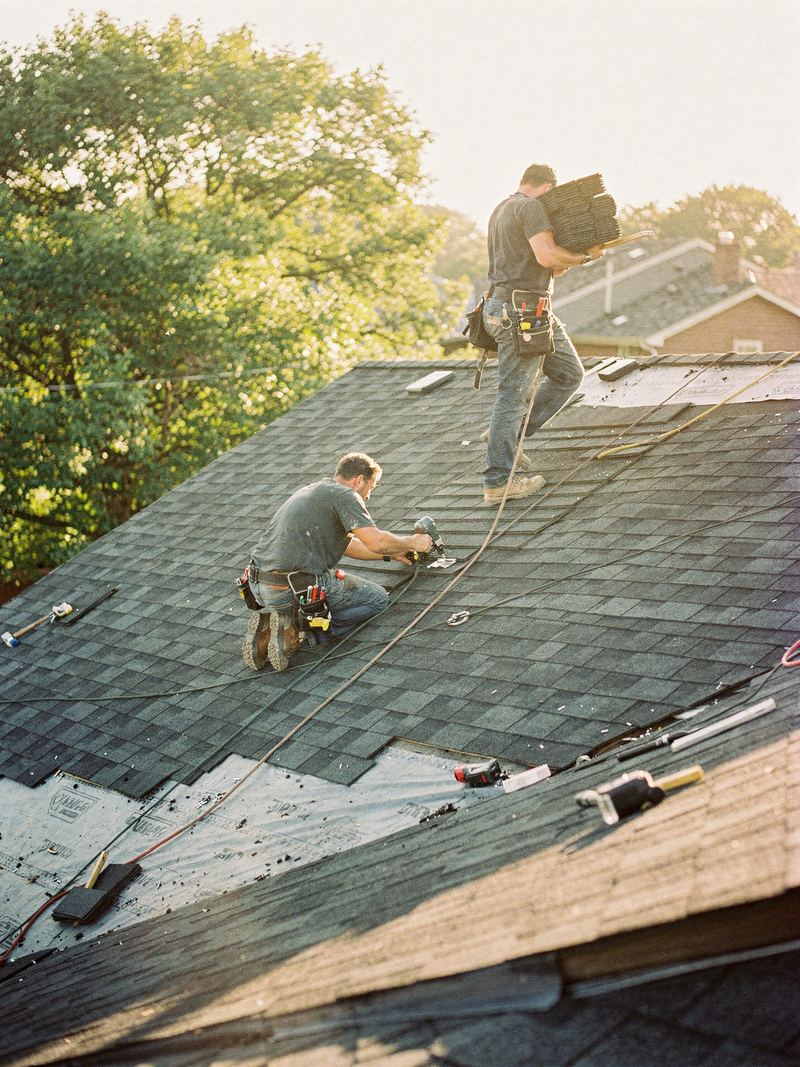


A roofer ready for storm season
An example plan for a local roofing company preparing before storm season: triage rules, a storm page, text replies and a lead inbox that holds the rush.
The situation
Imagine a roofing company with two installation crews, a repair tech, an office manager and an owner who still climbs roofs to inspect. They've worked the same region for about fifteen years, and it gets a hail and wind season most years. Outside storm season, the business runs smoothly on replacements, repairs and referrals.
Then a big storm rolls through. Within hours the phone rings nonstop. The office manager can't answer every call, voicemail fills up, and the owner is on a roof tarping a leak. Some callers have water coming through the ceiling. Others saw a neighbor's shingles in the yard and want a look. A few days later, out-of-town crews arrive, knock on doors and promise fast inspections. Homeowners who couldn't reach the local company sign with whoever showed up.
The owner is tired of feeling behind every spring. He wants a plan built before the season starts: who answers, what gets done first, what homeowners hear while they wait, and a clear, honest explanation of how storm damage and insurance work with his company.
What's getting in the way
- Phone overload. After a storm, call volume jumps far beyond what one office manager can answer.
- No triage. An active leak and a curious "can you look at my roof sometime" get the same place in line.
- An inspection backlog with no communication. Homeowners who don't hear back assume they've been forgotten and call someone else.
- Insurance confusion. Homeowners have questions about claims, and the company has never written down what it will and won't do.
- Storm chasers. Door-knockers create urgency and distrust, and homeowners struggle to tell a local company from a crew that will leave next month.
- A thin online presence. The Google profile has few recent photos and the website says nothing about storm damage.
The plan
Week 1: Write the storm plan before the storm
The owner and Zome write a one-page storm plan:
- Triage categories. Active leak inside the home: tarp or temporary repair as soon as safely possible. Visible damage with no leak: inspection queue, in order. "Just want it checked": scheduled after the urgent work.
- Capacity. How many inspections a day the owner and repair tech can realistically do, and who else can help.
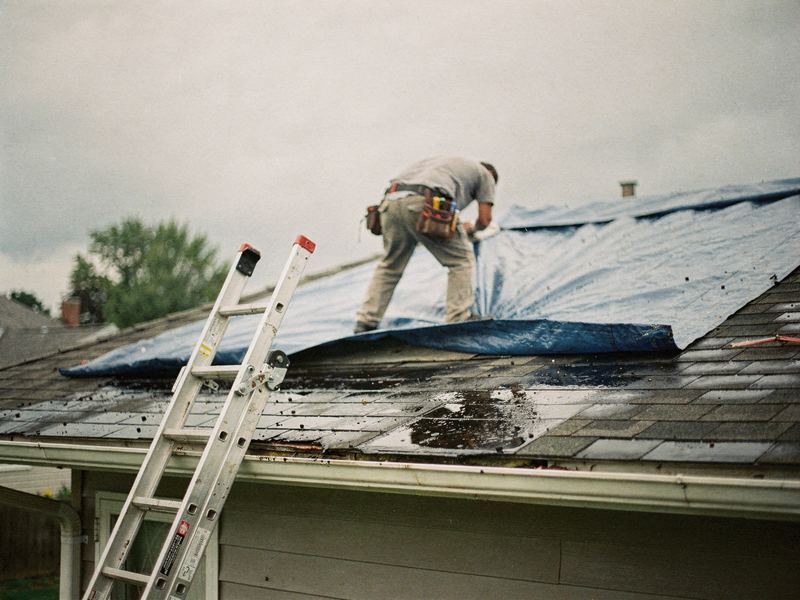
- Emergency tarping. What it costs, what it covers and that it's a temporary fix.
- The insurance stance. The company inspects, documents damage with photos and gives a written estimate. The homeowner deals with their insurer. Rules about contractors and insurance claims vary by state; in some states contractors can't negotiate a claim for the homeowner, and waiving or covering a deductible can be illegal. The owner checks his state's rules and writes the stance to match.
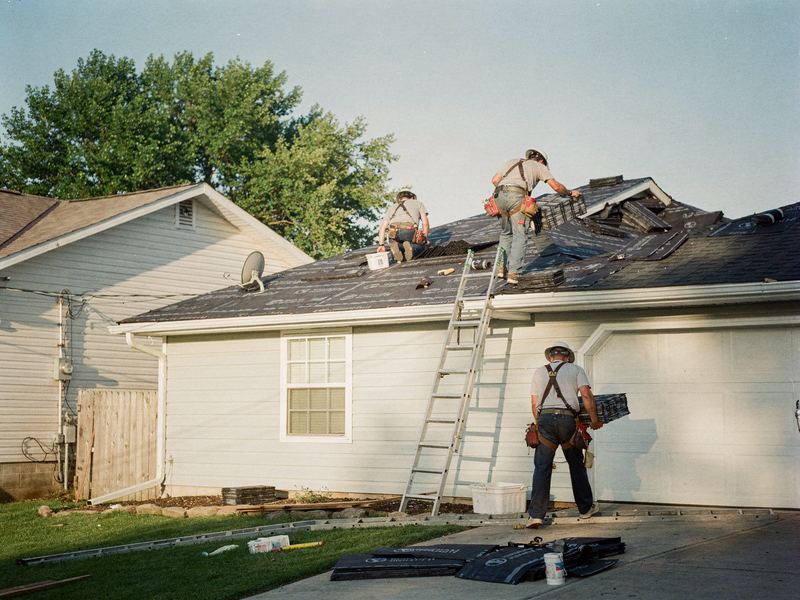
Zome then updates the Google Business Profile: accurate service area and hours, storm damage inspection and emergency tarping listed as services if offered, and recent photos of real crews at work.
Weeks 2 to 4: Build the storm front door
Zome builds a storm damage page on the website with:
- What to do right after a storm: stay safe, photograph damage from the ground, move valuables away from leaks and don't climb on the roof.
- How the company handles storm calls, including the triage order, so homeowners know why an active leak goes first.
- A plain explanation of the inspection, the photo documentation and the written estimate, with the insurance stance in the owner's words.
- How to check any roofer: a local address, license or registration where your state requires it, insurance and recent reviews.
- A request form with photo upload and a question about whether water is coming in.
Missed-call text back gets a normal message and a storm-mode message. The storm version might read: "Thanks for calling [Company]. We're getting a lot of storm calls. If water is coming into your home, reply LEAK with your address and we'll prioritize you. Otherwise, reply with your address and a photo and we'll schedule your inspection in order."
Every call, text and form lands in the lead inbox with a triage tag. Zome drafts standard texts for each stage: request received, inspection window, crew on the way, and photos and estimate sent.
Before the season starts, Zome sends a short email to past customers who agreed to hear from the company: save our number, here's what to do after a storm, and here's how to reach us fast.
Months 2 and 3: Run the plan when the storm hits
When a storm hits, the owner flips the company into storm mode. Zome switches the missed-call message, posts a storm update on the Google profile and puts the storm page at the top of the website. The office manager works the inbox by tag: leaks first, then inspections in order. Every homeowner gets a text saying where they are in line, so nobody feels forgotten.
After each inspection, the homeowner gets the photos and a written estimate, whether or not they go ahead. Review requests go out after completed repairs and replacements, the same way for every customer.
When the rush settles, the owner and Zome review the storm: calls received, response times, leaks handled, inspections completed, estimates sent and jobs won. They update the storm plan for next time, including capacity and triage rules.
What Zome does and what you do
| Task | Zome | You |
|---|---|---|
| Storm plan | Provides the template and example triage rules | Set capacity, tarping price and insurance stance |
| State rules | Flags the insurance and solicitation questions | Check your state and local rules |
| Google profile | Updates services, photos and storm posts | Supply real crew photos |
| Storm page | Writes and builds it with a request form | Approve every statement about insurance and process |
| Missed-call text back | Sets up normal and storm-mode messages | Approve wording and switch to storm mode |
| Lead inbox | Tags requests and drafts status texts | Work the inbox in triage order |
| Past-customer email | Writes and sends to opted-in customers | Approve the message |
| Post-storm review | Reports calls, response times and outcomes | Update the plan for next time |
What to track
- Storm calls and requests. Shows the size of the rush and helps you plan capacity next time.
- Response time during storm mode. The main reason homeowners stay with you instead of the first knock on the door.
- Leaks handled and time to tarp. Your most urgent promise, and the one people remember.
- Inspections completed versus requested. Shows whether your capacity plan was realistic.
- Estimates sent and jobs won. The business outcome of the storm.
- Requests lost to silence. Homeowners who never got a reply point to where the system broke.
Common mistakes to avoid
- Promising what insurance will pay. Only the insurer decides. Document damage honestly and let the homeowner handle the claim.
- Waiving or covering deductibles. It can be illegal in some states and puts your business at risk.
- Booking more inspections than you can do. A clear window you keep beats a fast promise you break.
- Forgetting existing customers. Past customers with leaks deserve the same triage as new callers.
- Door-knocking without checking the rules. Some towns require a solicitation permit. If you canvass, know the local rules first.
Your first step
Get the free AI report before storm season to see how your business looks to a homeowner searching after a storm, from your Google profile to your website on a phone. Or book a demo and we'll build your storm plan with you.
The easiest way to grow your service business online.
Get your free AI report in about a minute, then see exactly what Zome would fix first.