





Contents
Sooner or later, a software vendor or agency will pitch you a branded app: your logo on the customer's home screen, push notifications, one-tap booking. It sounds like what the big national companies have. For most home service businesses, it's the wrong first move. Customers want what an app promises, but they'd rather get it without downloading anything. This guide helps you work out whether an app makes sense for you, and what to do instead if it doesn't.
What customers actually want from you on their phone
Think about everything a customer does with your business from their phone:
- Find you and call or text
- Book or request a time
- Get a confirmation and a reminder
- Know when you're coming, and who is coming
- See the estimate or options, and approve one
- Pay the invoice
- Find past invoices, warranties and service history
- Manage a membership or recurring schedule: skip a week, add a task, update the gate code
Now ask which of these requires an app. The honest answer is none of them. Every item on that list can be handled through a mobile-friendly website, text messages, email and a web-based customer portal. An app is one way to deliver them, and it comes with an extra step the others don't have.
The download problem
To use your app, a customer has to find it in the app store, install it, log in or create an account, and allow notifications. That's a lot to ask of someone whose water heater you'll see once every ten years.
How often a customer needs you is the whole question:
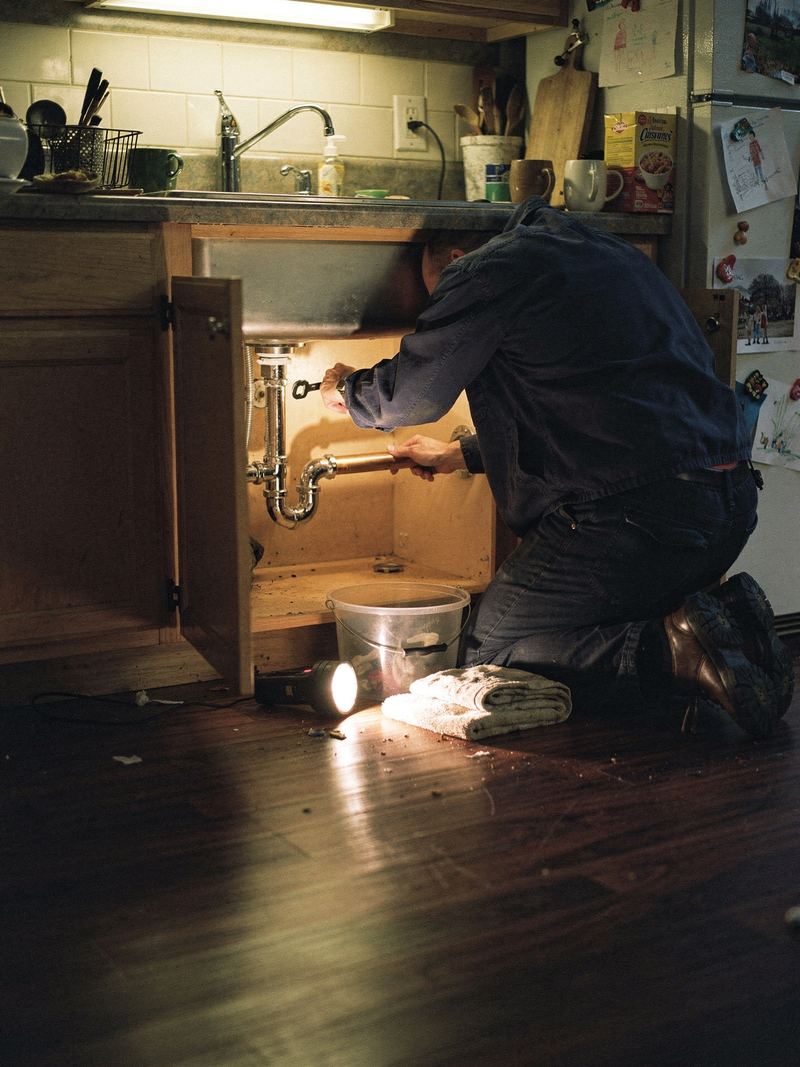
- Rare, urgent jobs like drain clogs, broken garage door springs, no-heat calls and roof leaks. The customer won't install anything in the middle of a problem. They want a phone number that gets answered and a text telling them when you'll arrive.
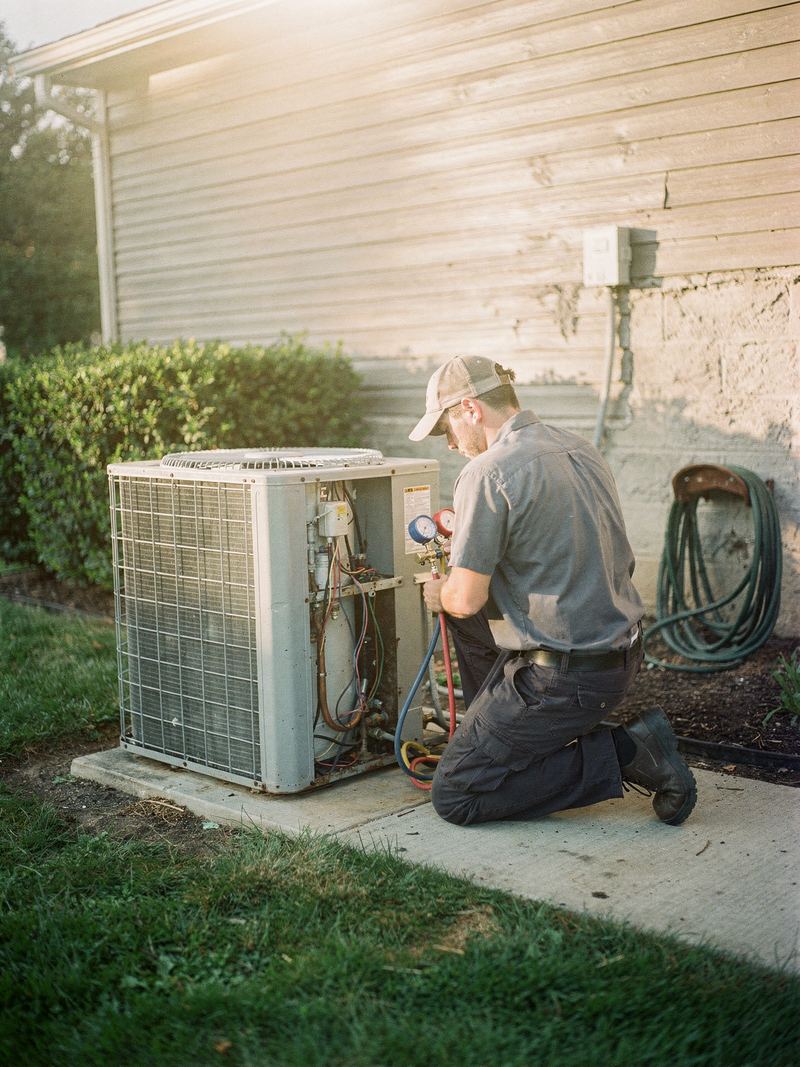
- Once or twice a year for HVAC tune-ups, gutter cleaning and pest inspections. An app might get opened twice a year. Text reminders do the same job with no download.
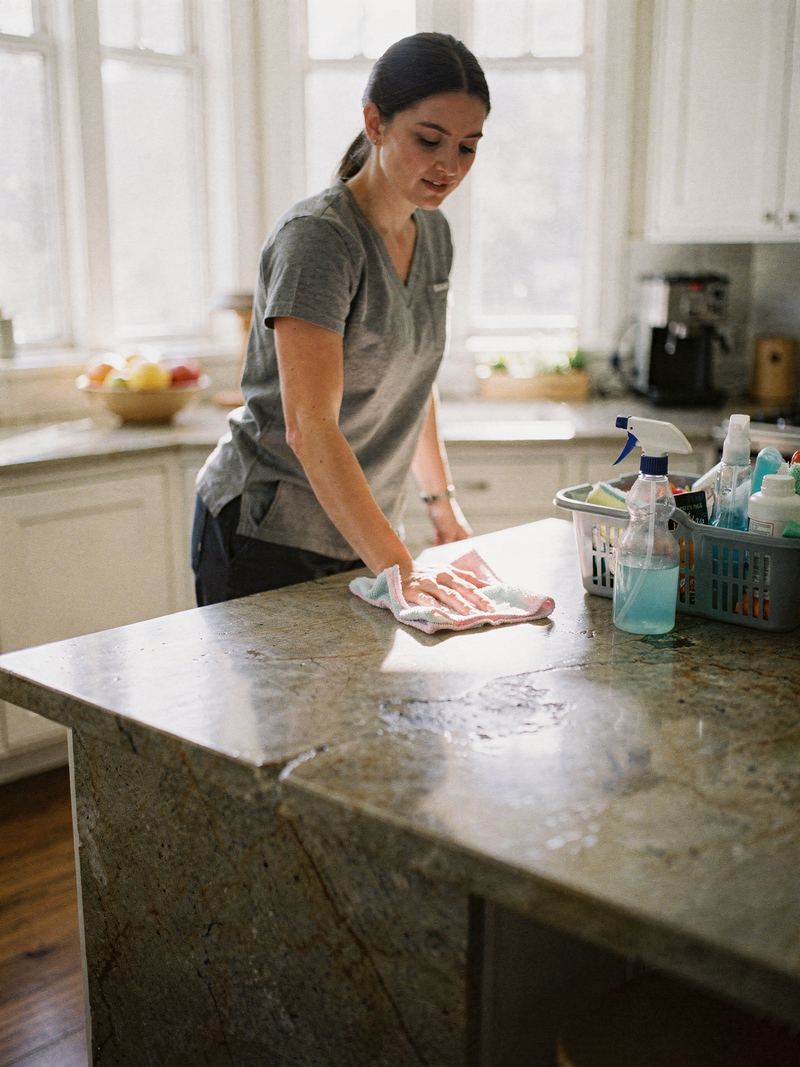
- Weekly or every two weeks for house cleaning, lawn maintenance and pool service. Customers deal with you often enough that an app or portal can genuinely help, for skipping visits, leaving notes, tipping and paying.
There's also the cost on your side, which goes well beyond building it:
- Building the app, or subscribing to a service that builds it
- Developer accounts and store listings with Apple and Google
- Updates every time Apple or Google change their systems or rules
- Support when a customer can't log in
- Keeping it in sync with your scheduling, invoicing and payments
- Privacy policies and careful handling of customer data
- Promoting it, because an app nobody downloads does nothing
When a vendor quotes you, ask for the total cost over three years, not just the setup fee.
Five ways to give customers an app-like experience
| Option | What it is | Good for | Trade-offs |
|---|---|---|---|
| Mobile-friendly website | Tap-to-call, a booking or request form, prices and a payment link | Every business | Has to be fast and easy to use on a phone |
| Text messages | Confirmations, reminders, on-the-way alerts, estimates and invoices with payment links | Every business, especially urgent trades | Get permission to text and follow the rules for business texting |
| Customer portal | A secure web page where customers see appointments, estimates, invoices and history | Memberships, recurring service, property managers | Customers need a login link; many field service tools include a portal, so check yours first |
| Installable web app | A website customers can add to their home screen that behaves much like an app | Recurring-service businesses testing the idea | Features like notifications depend on the phone and browser |
| Branded app | Your own app in the Apple and Google stores, custom-built or from a vendor template | Large recurring customer bases and multi-location brands | Highest cost and upkeep, and it only helps customers who download it |
For most businesses, the first two do most of the work. The on-the-way text alone answers a question every customer has: "When are you getting here?"
Script (on-the-way text): "Hi [Name], this is [Company]. [Tech name] is on the way and should arrive around [time]. Reply here if anything's changed. See you soon."
When your own app can make sense
An app starts to earn its keep when several of these are true:
- You run weekly or every-two-weeks visits for a large base of recurring customers
- You have a membership program with perks customers use often
- You operate several locations or brands and want one experience across them
- Commercial clients submit lots of work orders across many sites (though a portal often does this better)
- Your field service software offers a branded app as part of your plan, so the extra cost and upkeep are small; check the current terms
- You have someone who will own it: the store listings, updates, customer support and promotion
If only one or two are true, a website, texts and a portal will likely serve your customers just as well for far less effort.
A quick guide by trade
How often a customer needs you varies, but here's a rough starting point.
| Trade | How often a typical customer needs you | Usually the best fit |
|---|---|---|
| Plumbing and drains | Rarely, often urgently | Website, texts, instant replies to missed calls |
| Garage doors | Rarely, often urgently | Website and texts |
| HVAC | Once or twice a year, plus emergencies | Texts, plus a portal for members |
| Electrical | Mostly project by project | Website, written options, texts, a portal for approvals |
| Roofing | Rarely, and for big projects | Texts, email updates with photos, a portal for documents |
| Pest control | Monthly or quarterly on a plan | Texts and a portal; an app if your base is large |
| Lawn and landscaping | Weekly in season | A portal, or an app worth considering |
| House cleaning | Weekly or every two weeks | A portal, or an app worth considering |
If you do get an app, it needs these on day one
Questions to ask any vendor pitching you an app
- Is the app published under my business name, and who owns the store listing?
- Who owns the customer data, and can I export all of it?
- What happens to the app and my data if I cancel?
- What will it cost in the first year and in the third year, including setup and any per-customer fees?
- Who handles updates when Apple or Google change their rules?
- How does it connect to my scheduling, invoicing and payment tools?
- Can I speak to a business like mine that uses it?
- How do customers who don't download it get the same features?
- How do you measure how many of a business's customers actually use the app?
Get the answers in writing, and compare them with what a portal from your existing software would give you.
What to do this month instead
Walk through your own customer journey on a phone. Better still, ask a friend who doesn't know your business to do it and watch where they get stuck.
- Search for your service in your town. Do you show up, and is your number tappable?
- Call after hours. What happens?
- Book or request a time on your website. How many taps did it take, and did a confirmation arrive?
- Is there a reminder the day before and a text when the tech is on the way?
- Did the estimate arrive in writing, and is it readable on a phone?
- Can you pay the invoice from your phone in about a minute?
- After the job, did a thank-you and a review request arrive?
- For recurring customers: can they skip a visit or leave a note without calling?
Fix each gap with the simplest tool that works. If customers still ask for an app after all that, you have your answer, and you'll know exactly what it needs to do. For help choosing the tools behind these steps, see How to choose field service software and Customer portals for home service businesses.
The first steps of that journey, being found and being easy to reach, are where Zome's free AI report can help. It scores how your business shows up online and lists what to fix first, in plain language.