



Contents
Give a homeowner one price and they decide between yes and no, and "no" often means calling two more companies. Give them three honest options for the same problem and the question becomes which one fits. That's good, better, best pricing. It's common in HVAC and plumbing, and it works just as well for electricians, roofers, cleaners and landscapers when it's done honestly.
How option pricing works
You offer the same fix at three levels. Every level solves the problem safely and to code. The levels differ in things a customer can understand and care about: how long the fix lasts, the quality of parts, the length of the warranty, extra protection, convenience and speed.
Why it helps both sides:
- It respects the budget. A customer who can only afford the basic fix gets it without feeling judged.
- It's easier to decide. Comparing options side by side is easier than judging a single number with nothing next to it.
- It lets you mention more without pitching. The surge protector or longer warranty becomes part of an option instead of a separate sales pitch.
- It can cut down on "let me think about it." The customer has what they need to choose while you're still there.
Seven rules for honest options
- Every option fixes the problem. "Good" is not a trap. If it wouldn't be safe or up to code, it isn't an option.
- Build the middle option first. "Better" should be what you'd recommend for most homes. Then strip it down to make Good and build it up to make Best.
- Differences a customer can repeat. If you can't explain the difference between two options in one sentence, merge them.
- Price steps that make sense. Each step up should feel like a reasonable move for what it adds, not a leap.
- No decoys. Don't pad a Best option with filler just to make Better look cheap.
- Three is enough. Four at most for big replacements. More than that and people freeze.
- Same options from every tech. Options live in your price book, so every customer gets the same choices for the same problem.
Example option tables
Every price below is made up to show structure. Build yours from your own costs, using a method like the one in How to price your services.
Plumbing: replace a 50-gallon gas water heater
| What you get | Good | Better | Best |
|---|---|---|---|
| Water heater | Standard tank, manufacturer's standard warranty | Standard tank, manufacturer's standard warranty | Upgraded tank with a longer manufacturer warranty |
| Code-required parts, venting and permit where required | Included | Included | Included |
| Haul-away of old tank | Included | Included | Included |
| New shutoff valve and supply lines | Not included | Included | Included |
| Drain pan with drain line | Not included | Included | Included |
| Labor warranty | 1 year | 3 years | 5 years |
| Annual flush | Not included | Not included | First two years included |
| Example price | $1,900 | $2,350 | $2,900 |
Notice that anything the code requires, like an expansion tank in many closed systems, sits in every option. You never make safety an upgrade.
HVAC: AC not cooling, failed capacitor
| What you get | Good | Better | Best |
|---|---|---|---|
| Replace failed capacitor | Included | Included | Included |
| Test system operation and check refrigerant pressures | Included | Included | Included |
| Clean outdoor coil and clear condensate drain | Not included | Included | Included |
| Surge protection for the outdoor unit | Not included | Not included | Included |
| One year of maintenance membership, with two tune-ups and member pricing | Not included | Not included | Included |
| Example price | $295 | $425 | $640 |
Electrical: panel replacement
| What you get | Good | Better | Best |
|---|---|---|---|
| Replace panel to code, with permit and inspection | Included | Included | Included |
| Clearly labeled circuit directory | Included | Included | Included |
| Whole-home surge protection | Not included | Included | Included |
| Dedicated circuit for a future EV charger or generator inlet | Not included | Not included | Included |
| Labor warranty | 1 year | 2 years | 5 years |
| Example price | $2,800 | $3,300 | $4,200 |
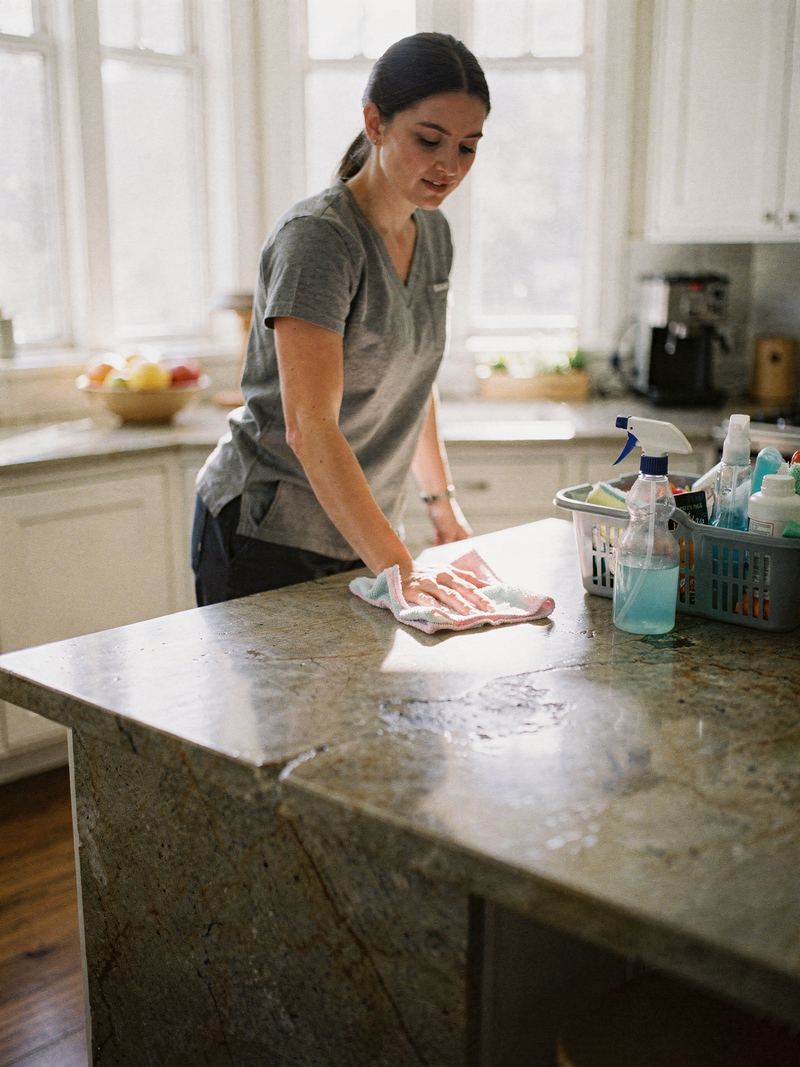
Recurring house cleaning, every two weeks, three bedrooms and two baths
| What you get | Standard | Plus | Premium |
|---|---|---|---|
| Kitchen, bathrooms, dusting, floors, trash | Included | Included | Included |
| One rotating detail task each visit, like baseboards, blinds or cabinet fronts | Not included | Included | Included |
| Inside oven or fridge, alternating, once a month | Not included | Not included | Included |
| Priority rescheduling | Not included | Not included | Included |
| Example price per visit | $150 | $175 | $210 |
You don't have to call the levels Good, Better and Best. Plenty of cleaning and lawn companies use names like Standard, Plus and Premium, or names tied to what's included.
Lawn care, monthly in season, quarter-acre lot
| What you get | Good | Better | Best |
|---|---|---|---|
| Weekly mow, edge and blow | Included | Included | Included |
| Fertilizer and weed control program | Not included | Included | Included |
| Fall aeration and overseeding | Not included | Not included | Included |
| Shrub trimming twice a season | Not included | Not included | Included |
| Example monthly price | $160 | $215 | $290 |
What changes between levels in other trades
| Trade and job | Good | Better | Best |
|---|---|---|---|
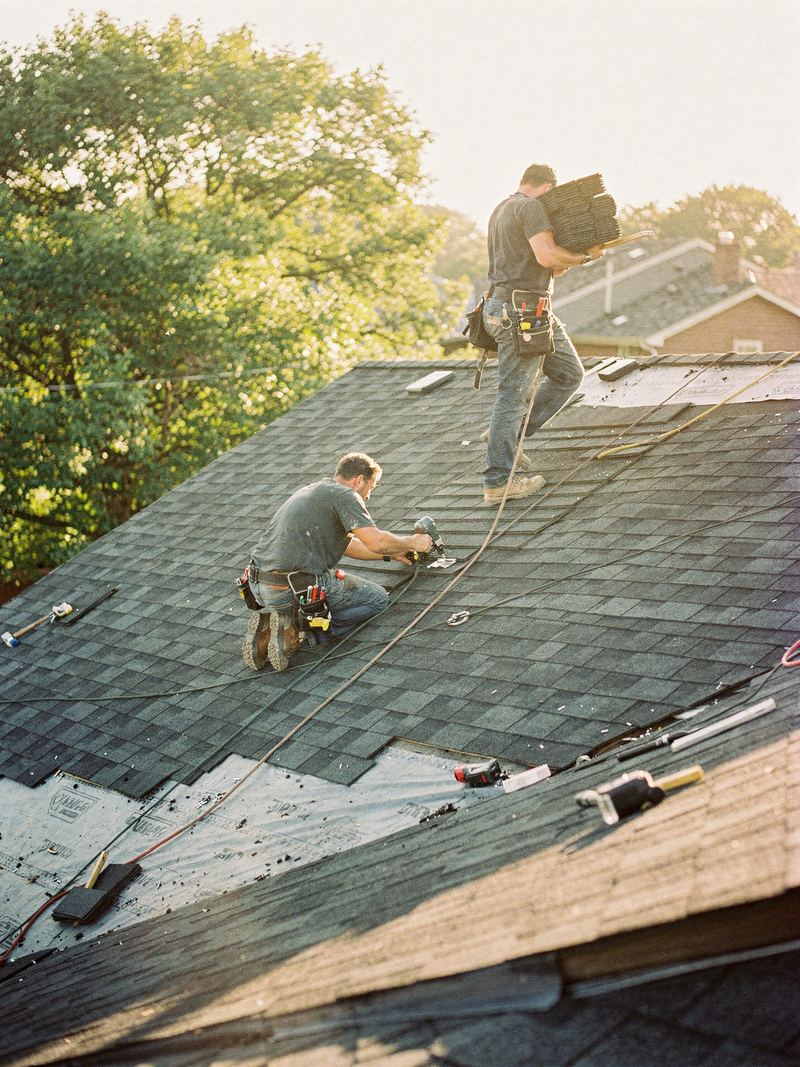
| Roof replacement | Standard architectural shingles with all code-required underlayment and flashing | Upgraded underlayment and improved attic ventilation | Premium shingle line, extended manufacturer warranty where you're certified to offer it, gutter guards |
| Garage door spring | Replace the broken spring | Replace both springs and the rollers | Both springs, rollers and cables, plus a tune-up a year later |
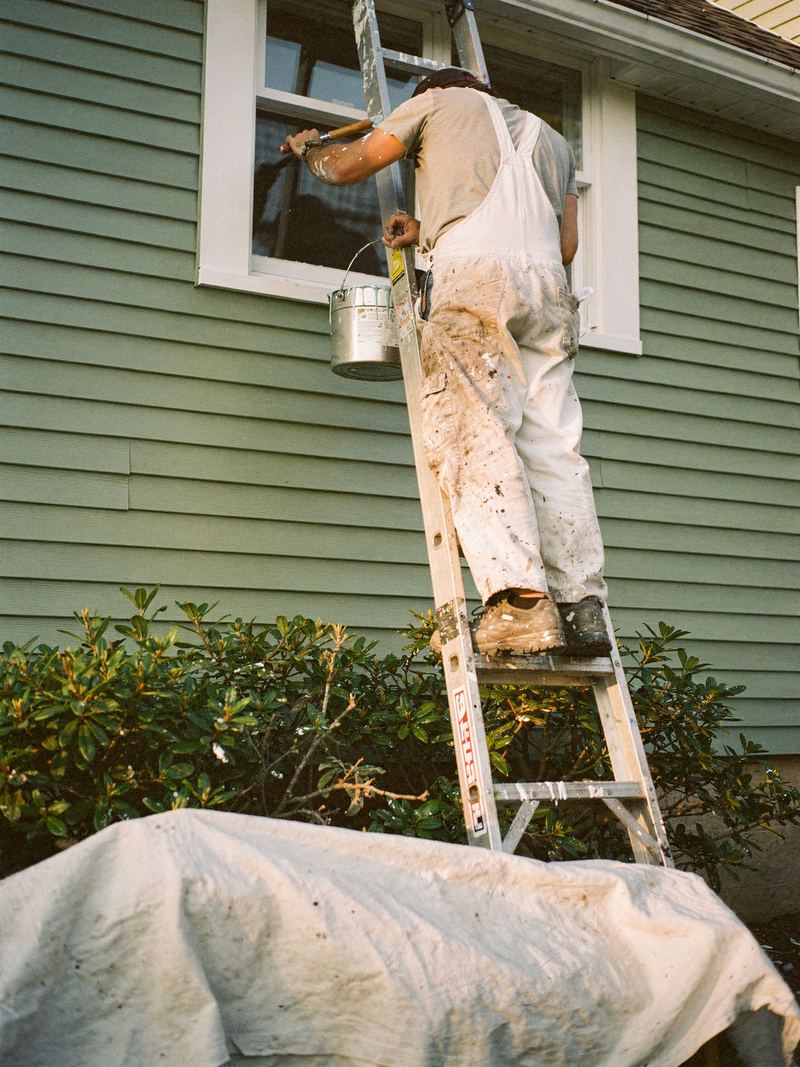
| Exterior painting | Wash, scrape, spot prime and two coats of standard paint | Premium paint, full caulking, minor trim repair | Everything in Better, plus full priming and a touch-up visit after a year |
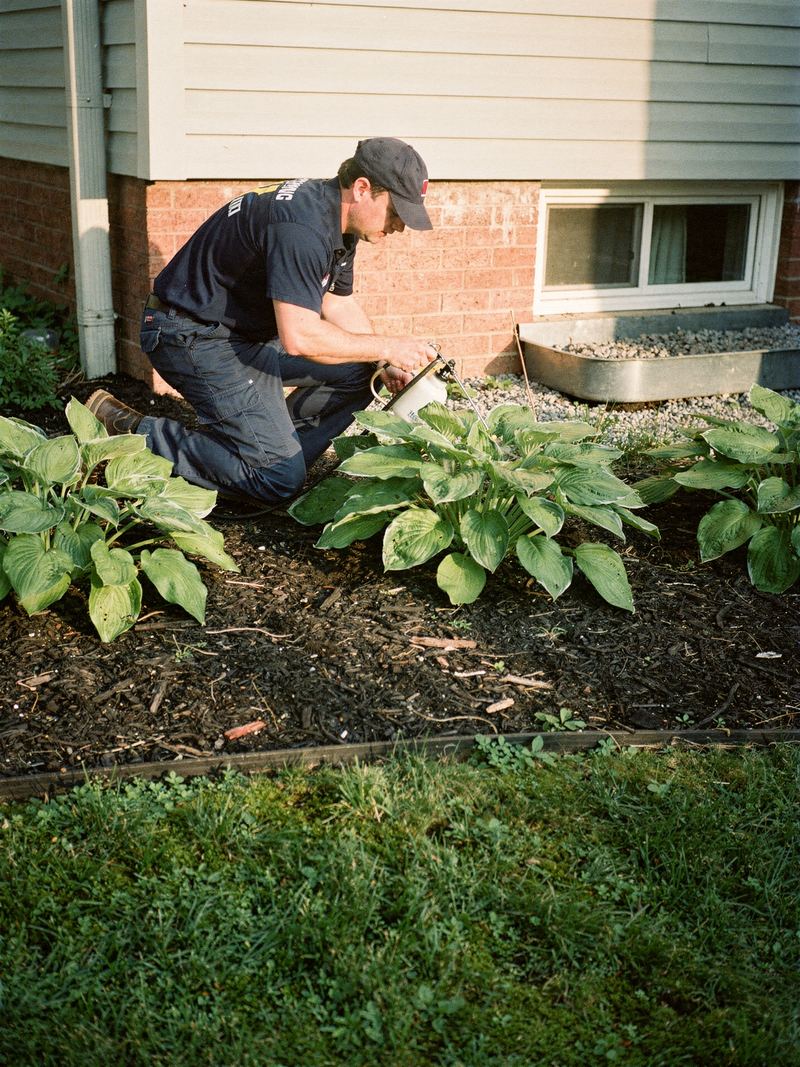
| Pest control | One-time treatment | Quarterly plan | Quarterly plan plus exclusion work to seal entry points |
How to present options
Some companies present the top option first, so the customer sees everything that's possible before the basic fix. Others build up from the bottom. Try both and keep whichever feels natural for your team and your customers. What matters more is presenting all three at once, in writing, the same way every time.
Here's a script for the capacitor call above, with the options on a tablet or a printed sheet.
- Recap the problem, with photos. "Here's what I found. This capacitor helps your outdoor unit start, and it's failed. That's why you're not getting cold air."
- Show all three options at once. "I've put together three ways to fix it. All three get your AC running today."
- One sentence each. "Option 1 replaces the part. Option 2 also cleans the coil so the system isn't working as hard. Option 3 adds surge protection and a year of maintenance, including your fall furnace tune-up."
- Give your honest recommendation, once. "For a system this age, I'd go with option 2."
- Stop talking. Let them look and decide.
- Respect the answer. If they choose option 1, do excellent work and don't bring up the others again on this visit.
If a customer asks for a better option at a lower price, change the scope, not your price.
Script: "I can't change the price of an option, but I can move things between them. If the surge protector is what matters most to you, I can add just that to option 2 for $[price]."
Leave the options in writing, by text or email with photos, and say how long the prices are good for. Customers who need to talk it over at dinner then have everything in front of them, and you have a clear reason to follow up.
When not to use three options
- Simple fixed tasks where there's only one right way, like replacing a single GFCI outlet or a toilet flapper.
- True emergencies, where the customer needs a quick decision. Offer two options at most.
- Safety hazards. The hazard gets fixed in every option. If there's no safe basic version, there's only one option.
- Commercial bids with a written spec. Price the spec exactly, then offer alternates separately.
- Customers who ask for one price. Give your recommendation and mention that other options exist.
How to tell if it's working
Record which option each customer chooses, then look at the mix after a couple of months.
- Nearly everyone picks Good: customers may not see the value in the upgrades, or the price steps are too big.
- Nearly everyone picks Best: it may be underpriced, or the lower options may be stripped too far.
- A spread across all three: the options are doing their job.
Here's a worked example with made-up numbers. Say you run 100 capacitor calls using the HVAC table above: 40 customers choose option 1 at $295, 45 choose option 2 at $425, and 15 choose option 3 at $640.
- Option 1: 40 × $295 = $11,800
- Option 2: 45 × $425 = $19,125
- Option 3: 15 × $640 = $9,600
- Total: $40,525, or an average of about $405 per call
That average only counts as progress if callbacks, complaints and review scores stay steady. Track those by option too. For more ways to grow the ticket honestly, see How to raise your average ticket without being pushy.
Mistakes to avoid
- Stripping the Good option until it barely fixes anything
- Labeling an option "most popular" when you don't know that it is
- Jargon in option names, like "Tier 2 with HSK"
- Options that only some of your techs present
- Forgetting to follow up on upgrades people declined
- Discounting instead of changing the scope
For a deeper look at building your whole pricing structure, read the service pricing guide.
Options work best when customers already trust you before you arrive. For a clear view of how your business looks to them online, from Google rankings to reviews and website speed, get Zome's free AI report.