




Contents
- What average ticket measures, and what it hides
- The honest formula: find more, offer clearly, let them choose
- 1. Inspect before you quote
- 2. Offer options for the main repair
- 3. Suggest add-ons that belong with the job
- 4. Offer a maintenance plan on every eligible job
- 5. Follow up on what the customer declined
- 6. Train and pay techs in a way that rewards honesty
- What pushy looks like, so you can avoid it
- A 30-day plan
Owners want a bigger average ticket. Technicians hate the idea of "selling". Both are right. The pushy version, where a tech invents problems or leans on a worried homeowner, costs you reviews, callbacks and your own self-respect. The honest version looks different: your team finds everything the customer would want to know about, explains it plainly, offers clear choices and takes no for an answer. This guide shows you how to build the honest version into every call.
What average ticket measures, and what it hides
Average ticket is simple: total invoiced revenue for a period divided by the number of paid jobs in that period.
Say a two-truck plumbing company invoiced $54,000 last month across 120 paid jobs. Its average ticket was $450. (Those numbers are made up to show the math.)
On its own, that number can mislead you. Before you try to raise it, do three things:
- Split it by job type. A month with more drain calls and fewer water heater swaps will pull your average down even if nobody changed how they work. Compare drain calls with drain calls.
- Split it by technician. If one tech's average on the same job types sits well above everyone else's, find out why. It might be skill at spotting problems. It might be pressure. Ride along and see.
- Watch the warning numbers next to it. Track callbacks, refund requests, cancelled jobs and complaints over the same period. If the average ticket goes up and those go up too, you are getting pushier, not better.
Two more numbers are worth tracking: how often your techs present options on eligible calls, and how often customers accept at least one add-on or upgrade. Those tell you whether the process is actually happening.
The honest formula: find more, offer clearly, let them choose
A bigger ticket, done right, comes from four habits:
- Inspect beyond the reason for the call, with the customer's permission.
- Offer options for the main repair instead of one take-it-or-leave-it price.
- Suggest add-ons that genuinely belong with the job, at the right moment.
- Follow up on what the customer said no to.
None of this requires a salesperson's personality. It requires a checklist, a few practiced sentences and a price book that makes the choices easy to explain.
1. Inspect before you quote
The most common reason tickets stay small is that the tech fixes what they were called for and leaves. Two months later the customer finds the water heater they walked past was weeping at the base, and wonders why nobody said anything.
Give your team a short written inspection checklist to run on every visit. Keep it to about ten minutes. Some examples by trade:
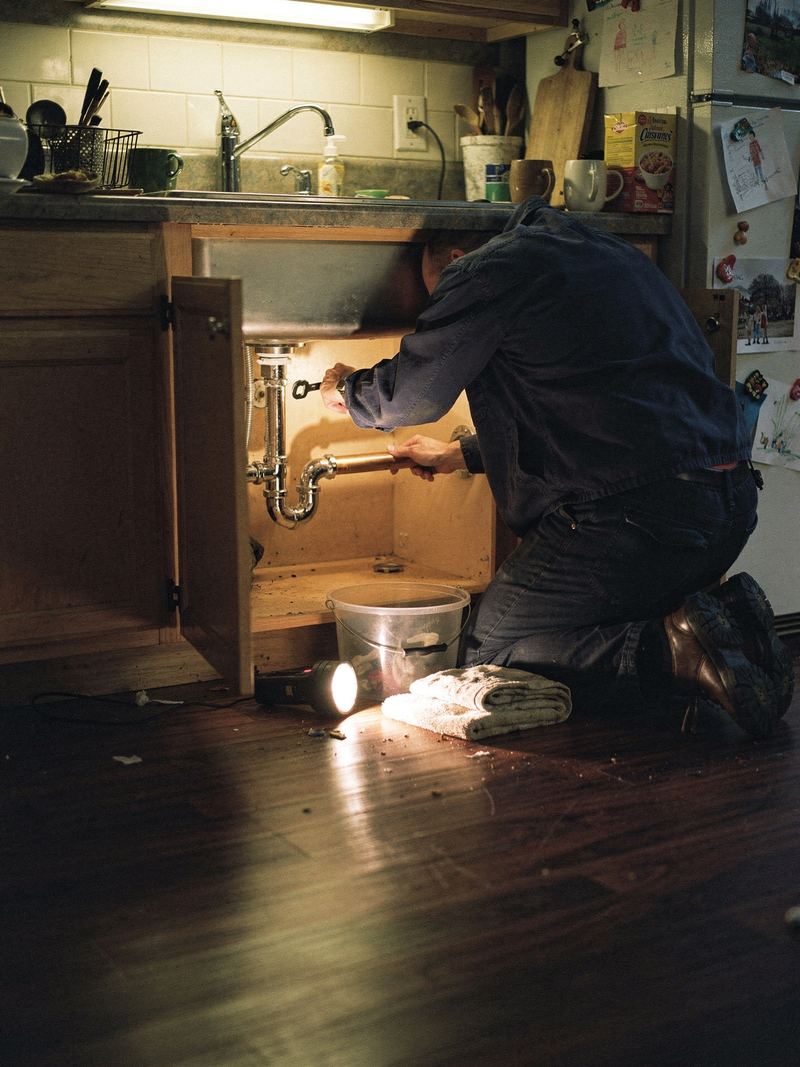
- Plumbing: water heater age and condition, relief valve discharge line, main shutoff operation, supply lines under sinks and toilets, water pressure with a gauge, visible leaks, sump pump test.
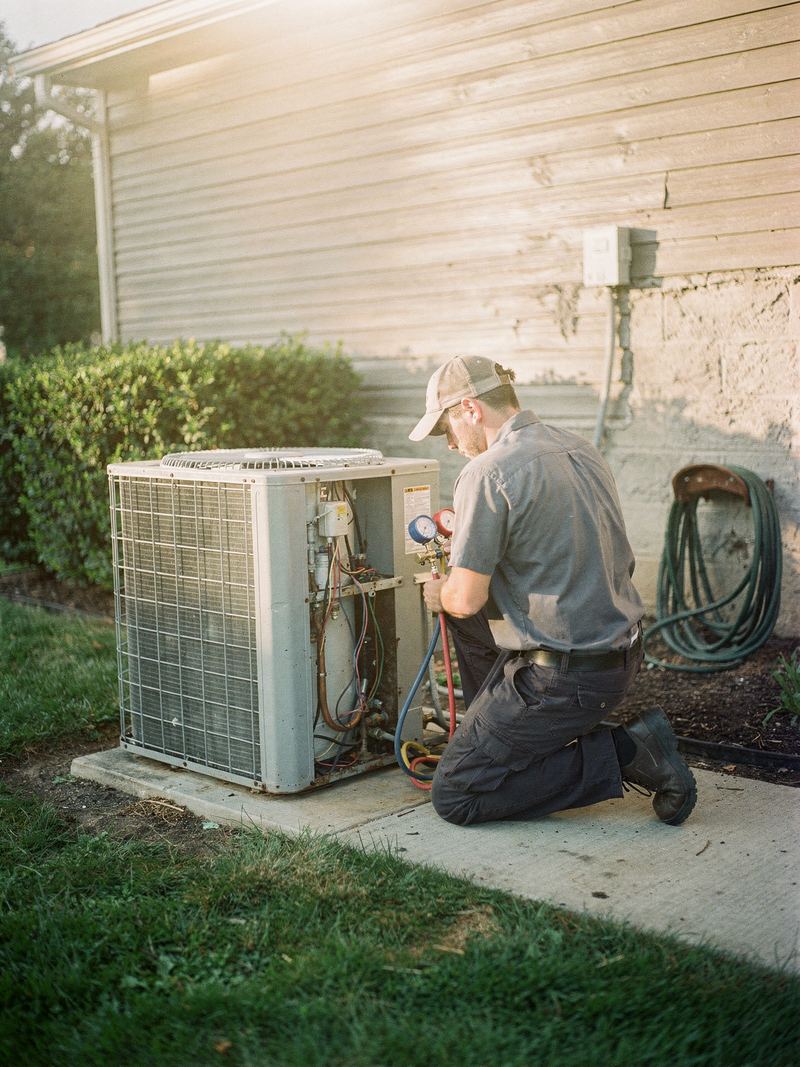
- HVAC: filter condition, condensate drain, capacitor readings, coil condition, visible duct disconnects, thermostat operation, carbon monoxide check around gas appliances.
- Electrical: panel condition and labeling, GFCI protection in wet locations, smoke and CO alarm dates, loose or warm outlets, signs of overloaded circuits, surge protection.
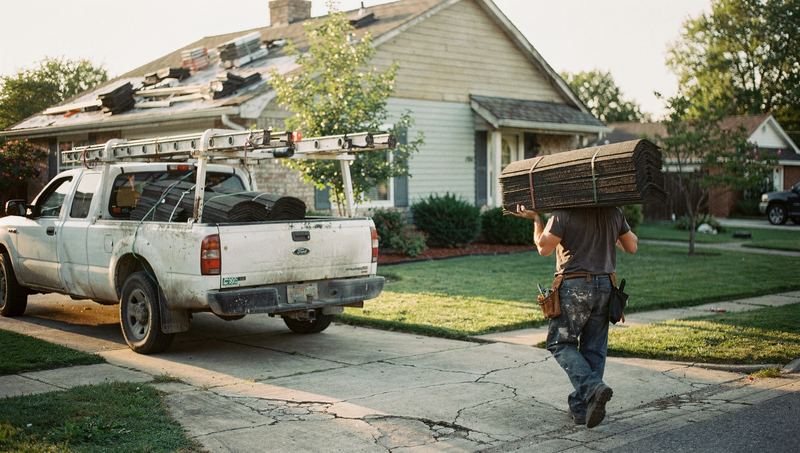
- Roofing: pipe boots, flashing at chimneys and walls, gutters and downspouts, attic ventilation where you can reach it.
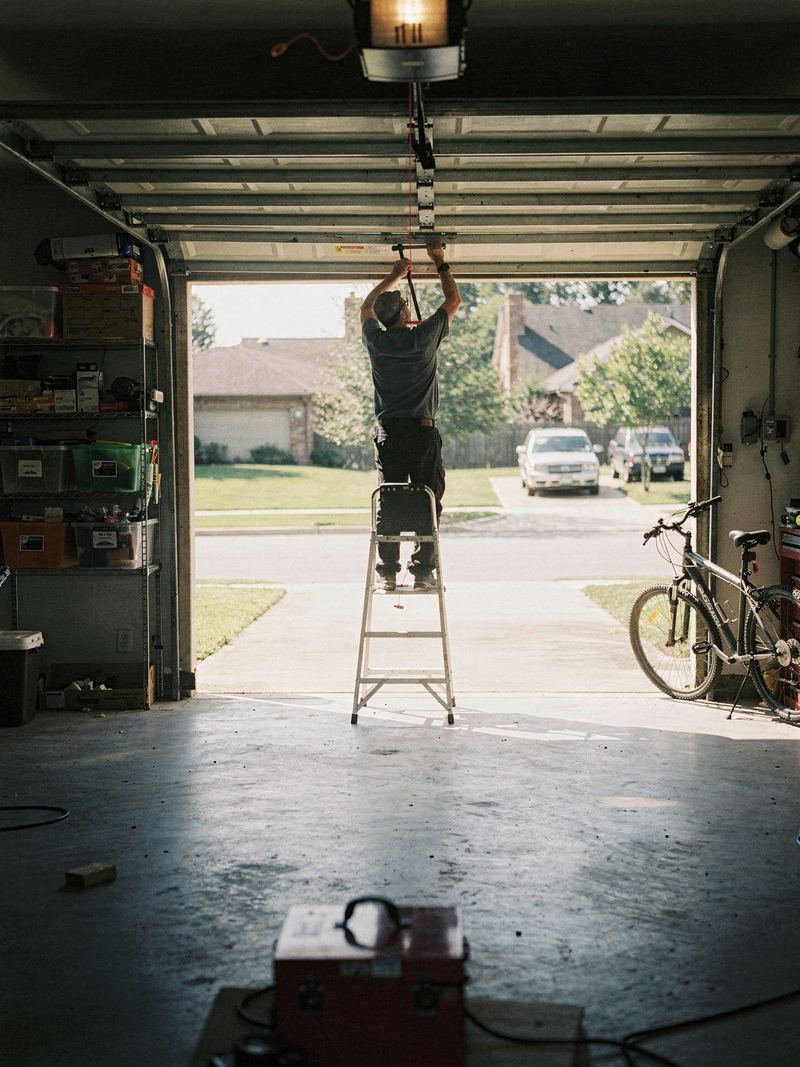
- Garage doors: springs, cables, rollers, opener safety reverse test.
- Cleaning: at the walkthrough, ask about the oven, inside the fridge, interior windows, baseboards and blinds.
- Landscaping: irrigation heads and zones, standing water, mulch depth, plant health.
Here's how a tech can ask without sounding like a salesperson.
Script: "Before I start, I do a quick check of the rest of the system. It takes about ten minutes and there's no charge. If I see anything, I'll show you a photo and you decide what, if anything, you want done. A lot of the time it's just peace of mind."
Photos do more than words. A picture of a corroded anode rod or a scorched breaker lug explains itself, and it protects you if anyone later asks why you recommended something.
2. Offer options for the main repair
When you give one price, the customer decides between yes and no. When you give three sensible options, they decide which one. Every option has to fix today's problem safely and to code. The differences are in durability, warranty, convenience and extras.
Here is an example for a slow kitchen drain. The prices are hypothetical and only show the structure.
| Option | What's included | Example price |
|---|---|---|
| 1. Clear the line | Cable the kitchen line, test drainage, 30-day guarantee | $225 |
| 2. Clear and inspect | Everything in option 1, plus a camera inspection with the video sent to you | $395 |
| 3. Clear, inspect and jet | Everything in option 2, plus hydro-jetting to clean the pipe walls, 1-year guarantee on that line | $695 |
Script: "I can fix this three ways. Any of them gets your sink draining today. Here's what each one includes and what it costs. If it were my house, I'd do option 2, because we'd actually see what's causing it. Which one works for you?"
Then stop talking. Silence feels awkward, but it gives the customer room to think. For the full method, including tables for other trades, see Good, better, best: how option pricing works.
3. Suggest add-ons that belong with the job
An add-on is only honest if a reasonable homeowner would be glad you mentioned it. Build a short list of natural pairs for your main services and put them in your price book, so the price is ready and the same for everyone.
| Main job | Natural add-on | Why it belongs |
|---|---|---|
| Water heater replacement | New shutoff valve, drain pan | You're already there with the water off |
| Drain clearing | Camera inspection | Shows whether the clog is likely to come back |
| AC repair | Surge protection for the outdoor unit | Protects the part you just replaced |
| Furnace tune-up | Upgraded filter setup, CO alarm | Air quality and safety in one visit |
| Panel replacement | Whole-home surge protection, a circuit for a future EV charger | Easier to add while the panel is open |
| Roof repair | Gutter cleaning, pipe boot replacement | Same ladder, same trip |
| Garage door spring | New rollers, balance and lubrication | Worn rollers strain new springs |
| Deep clean | Inside oven and fridge, interior windows | Tasks people forget to ask about |
| Weekly mowing | Aeration and overseeding in season | Timed to the lawn, not your sales target |
Timing matters as much as the add-on itself:
- At booking. Your office or online booking form can ask one question: "While we're there, would you like us to also check your other drains? It's $[price], and no problem if not."
- At diagnosis. Put add-ons inside the options, not after the customer has already agreed to a price.
- At the end, once. The maintenance plan offer comes with the invoice. One offer, not a string of them at the door.
4. Offer a maintenance plan on every eligible job
A maintenance plan can lower today's repair price because members get a discount, yet still raise the ticket and what the customer is worth to you over time.
Here's a hypothetical example. A repair is $400. Your plan costs $180 a year and includes a tune-up, priority scheduling and 10% off repairs. If the customer joins today, they pay $360 for the repair plus $180 for the plan: a $540 ticket. They save $40 today, get a tune-up they would have paid for anyway, and you have a reason to see them again in six months.
Script: "You'd get our member price on today's repair if you join the plan. It includes your annual tune-up, priority scheduling and 10% off repairs, so today's repair would go from $400 to $360. Want me to set that up, or leave it for now?"
For how to design the plan itself, read How to build a maintenance membership program.
5. Follow up on what the customer declined
A declined option is not a lost sale. It's work the customer isn't ready for yet. Keep a list of every unsold recommendation with its photo and price, and follow up:
- Two or three days later: a short text or email with the photo, the price and an easy way to book.
- Before the relevant season: the aging AC before summer, the sump pump before spring rain, the gutters before fall.
- At the next visit: the tech sees the note on the customer record and checks the item again.
Script (text): "Hi [Name], it's [your name] from [Company]. Thanks again for having us out on Tuesday. Here's the photo of the water heater base we talked about. No rush, but if you'd like to replace it before it starts leaking, reply here and we'll find a time. The price we quoted is good for 30 days."
Only text customers who've agreed to hear from you, and make it easy to opt out.
6. Train and pay techs in a way that rewards honesty
Commission on sales can work, but it can also create exactly the pressure you're trying to avoid. A few guardrails help:
- Require photos for every recommendation over a set amount.
- Review callbacks and complaints alongside sales. A tech who sells a lot and generates complaints isn't your best tech.
- Pay on completed, paid work, not on signed proposals that later cancel.
- Praise the honest no. When a tech tells a customer their 12-year-old system still has life in it, say so at the team meeting.
- Role-play every week. Fifteen minutes. One tech plays a skeptical homeowner, another presents options. It's the fastest way to make scripts sound natural.
Pay plans come with wage and hour rules. Talk to your accountant or an employment lawyer before you change how you pay people.
What pushy looks like, so you can avoid it
- Scare language: "This could burn the house down tonight" when it couldn't.
- Fake deadlines: "This price is only good while I'm standing here."
- Recommending replacement when a repair is safe and sensible.
- Hiding the cheapest option, or skipping it.
- Asking again after the customer has said no.
- "Discounts" off a regular price you never actually charge.
A simple test: if the customer would feel tricked reading the invoice a week later, don't do it.
A 30-day plan
- Week 1: Work out your average ticket for the last three months, by job type and by technician. Write down callbacks and complaints for the same period.
- Week 2: Write a ten-minute inspection checklist for your trade and pick two or three natural add-ons for each of your five most common jobs. Put the prices in your price book.
- Week 3: Build three options for those five jobs and role-play them twice with the team.
- Week 4: Start a declined-work list and send your first round of follow-ups. Compare the month's numbers with your baseline, including the warning numbers.
Keep what works, drop what feels forced, and repeat the review every quarter.
If you run seasonal service, a maintenance plan is often the easiest add-on to offer on every call. Zome's maintenance plans help you present a plan clearly on your website and remind members when a visit is due.