








Contents
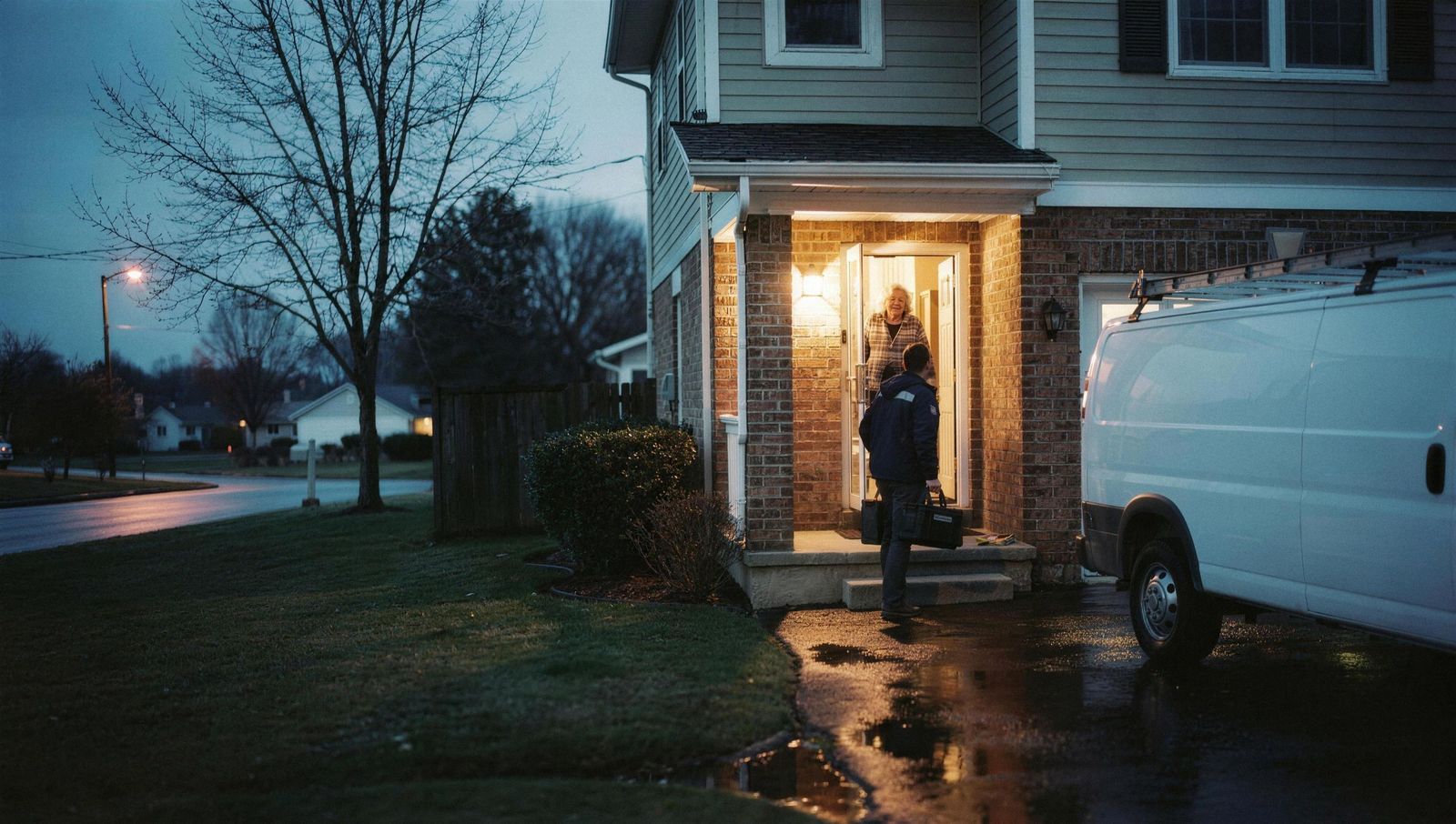
Plenty of homeowners would rather pick a time on their phone at 9pm than play phone tag the next morning. Online booking software can fill your schedule while you're on a job. It can also fill it with the wrong work, in the wrong part of town, at the wrong time. The difference is almost entirely in the settings, so that's what this guide is about: what to look for, what to test and what to keep off the booking page.
Decide which kind of booking you need
There are three ways to let customers book online, and most home service businesses need a mix.
- Instant booking. The customer picks an open slot and the job is on the schedule. Best for work you can define and price up front: an AC tune-up, a standard house clean, gutter cleaning, a dryer vent cleaning.
- Request a time. The customer picks preferred windows and describes the problem, and you confirm. Best for repairs that need a quick triage call: a leak, a breaker that keeps tripping, a furnace making a new noise.
- Book an estimate visit. The customer books a slot for you to come look. Best for big-ticket work: a roof replacement, a panel upgrade, a landscape design, a bathroom repipe.
Here is how that often splits by trade. Adjust it to how you actually work.
| Trade | Good for instant booking | Better as a request | Keep on the phone |
|---|---|---|---|
| Plumbing | Drain cleaning, water heater flush, replacement estimates | Leaks, no hot water, low pressure | Active flooding, sewage backup, gas smell |
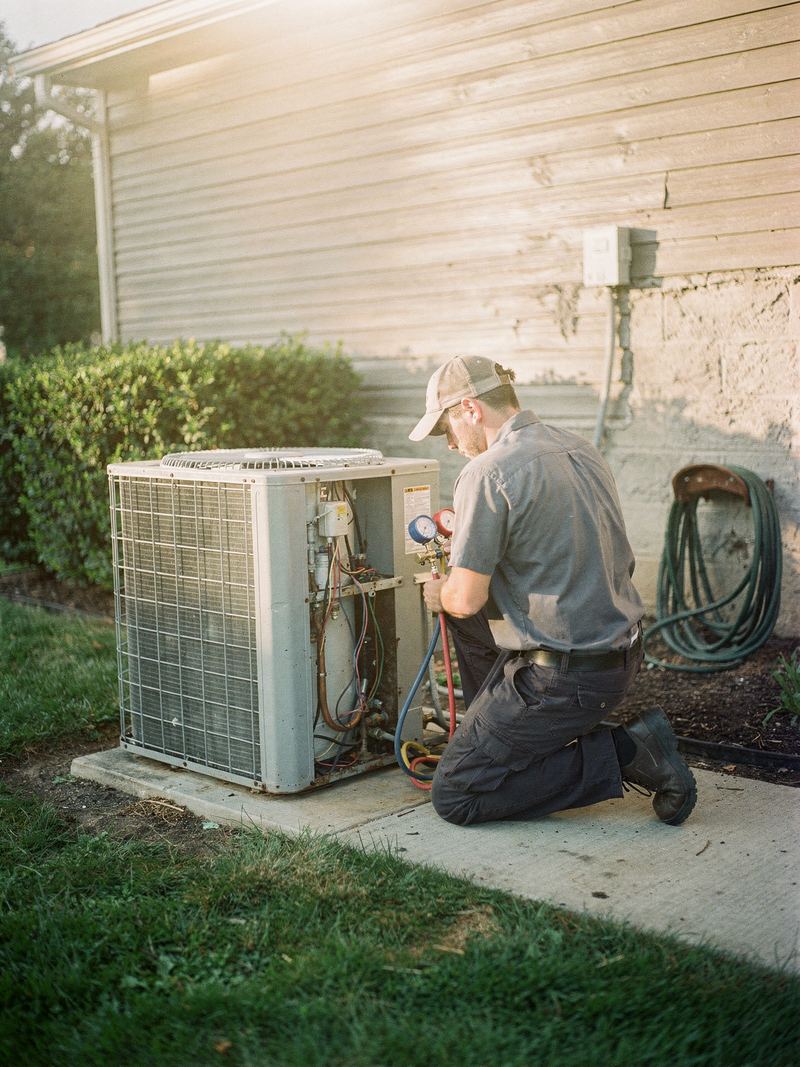
| HVAC | Tune-ups, maintenance visits, replacement estimates | No-cool and no-heat repairs | Carbon monoxide alarms, gas smell |
| Electrical | EV charger and panel estimates, fixture and fan installs | Troubleshooting, partial outages | Burning smell, sparking, hot panels |
| Roofing | Inspections and replacement estimates | Small leak repairs | Active leaks during a storm |
| Landscaping | Estimate visits, one-time cleanups, aeration | Design consultations | |
| Cleaning | Standard, deep and move-out cleans priced by size | Post-construction and heavy cleans |
The "keep on the phone" column matters. Anything that could be a safety problem should send the customer to a phone number with plain instructions, not a calendar.
The features that matter, and what to check
Most booking tools look similar in a demo. The differences show up in these details.
Services with their own length and rules
A deep clean of a four-bedroom house isn't the same length as a tune-up, and not every tech can do every job.
- Can you set a different duration for each service?
- Can you limit a service to team members with the right skill or license (gas work, a licensed electrician, a crew with a lift)?
- Can a service be offered only on certain days?
Arrival windows, not exact times
Trades work in arrival windows because jobs run long. A tool built for salon appointments may only offer exact times.
- Can customers pick windows like 8 to 10 or 10 to 12?
- Can you cap how many jobs each window takes?
- Can you set a daily maximum per tech or crew?
Service area limits
You don't want a booking from 45 minutes outside your area at 8am.
- Can you accept bookings only from zip codes you serve?
- What does someone outside the area see? A polite "we'll call you" is better than an error.
- Can you set area-specific days? Landscapers and cleaners who build tight routes often want the north side on Tuesdays and the south side on Thursdays.
Buffers, travel time and cut-offs
- Can you add buffer time between jobs?
- Can you stop same-day bookings after a set hour, or require a minimum notice?
- Can you block time for callbacks, emergencies or the weekly team meeting?
Intake questions that save a phone call
Good questions let you show up with the right parts. Keep them short and use conditional questions so customers only see what applies.
- HVAC: system type (furnace, heat pump, boiler, ductless), rough age, what's happening, any error codes.
- Plumbing: which fixture, whether water is leaking now, gas or electric water heater, a photo.
- Electrical: what's happening, rough age of the home, a photo of the panel.
- Roofing: roof type if known, whether water is coming inside, whether an insurance claim is open.
- Landscaping: services wanted, gate access, pets in the yard.
- Cleaning: bedrooms, bathrooms, rough square footage, pets, frequency, move-out date.
Check: can customers upload photos, can you make only a few fields required, and do the answers land on the job record where the tech will see them?
Showing prices, or not
Show fixed prices for defined services: a tune-up, a standard clean by home size, a one-time mow by lot size. For repairs, show your diagnostic or trip fee so there are no surprises. For big jobs, book the estimate visit and don't guess at a price online. If you're working out what to charge, see how to price your services and service price list examples by trade.
Deposits, cards on file and cancellation rules
No-shows hurt most on long jobs. A move-out clean or a first deep clean may justify a deposit or a card on file.
- Can you require a deposit on some services and not others?
- Can you show your cancellation policy before the customer confirms?
- How are refunds handled, and who pays the card fees on them? Check the payment terms with the provider.
Confirmations, reminders and self-service changes
- Does the customer get an instant confirmation by text and email?
- Are reminders automatic, and can you edit the wording?
- Can customers reschedule or cancel themselves, and can you stop that inside a set notice period?
- Are you notified when anything changes?
Where the booking ends up
This is the question that matters most, and the one demos skip. When a customer books, does the job appear in your scheduling or dispatch system with the customer record, the address, the answers and the photos? Or does it arrive as an email someone has to retype?
- Does the booking tool connect directly to your field service or scheduling software, work through a third-party connector, or only send an email?
- If a returning customer books, does it match their existing record or create a duplicate?
- When you move a job in your main schedule, does the booking tool know the slot is taken?
Where customers can book
- A button on every page of your website, plus a booking page that loads fast on a phone.
- The booking link on your Google Business Profile.
- Links you can send by text or email and print as a QR code on leave-behinds.
Check that the booking page carries your branding and doesn't send customers to a page listing other businesses in your trade.
Tracking and spam protection
- Can you see where each booking came from: your website, Google, an email, a social post?
- Is there protection against bots and fake bookings?
The main types of booking software
- Booking built into field service management software. Bookings land directly on the dispatch board. Often the cleanest option if you already run one. See what is field service management software?.
- General appointment schedulers. Built for consultants, salons and clinics. Some work well for a solo cleaner or a small estimate-based business. Check carefully for arrival windows, service areas and crew capacity.
- Booking widgets from website or marketing platforms. Convenient if they pass bookings cleanly into your schedule. Check what happens after the form is submitted.
- Marketplace booking. Lead sites that let customers book you on their platform. It can bring volume, but the customer relationship often starts on someone else's site. See lead marketplaces vs your own website.
How pricing usually works
Booking tools are priced in a few common ways: a flat monthly fee, per user or per technician, tiered plans with more features at each level, an add-on to a larger platform, or a fee per booking or transaction. Payment processing is usually charged separately. Some charge setup or onboarding fees, and some require annual contracts.
Prices and plans change often, so get a written quote for your team size and ask what triggers the next tier. For more, see how field service software is priced.
Test it like a customer before you go live
Run these tests on a trial account, on your phone, before a single customer sees it:
- Book an instant job off Wi-Fi and time it. If it takes much more than a couple of minutes, look for fields to cut.
- Try to book from a zip code you don't serve.
- Try to book a window you've already filled.
- Try to book same day after your cut-off.
- Reschedule using the link in the reminder text.
- Book as a returning customer and check for a duplicate record.
- Look at the booking on the tech's phone. Can they see the answers and photos?
- Cancel, and check that you're notified and the slot reopens.
Start with one or two services, such as tune-ups or standard cleans. Add more once those run cleanly for a few weeks.
Questions to ask before you sign
Once it's live, watch two numbers: how many bookings come in online each week, and how many of those turn into completed jobs. If online bookings are canceling or no-showing more than phone bookings, tighten your deposit rules or intake questions.
If you'd like to see a simpler approach, Zome's online booking page shows a request flow where the customer picks the service, shares the details and chooses a time window, and you confirm.