




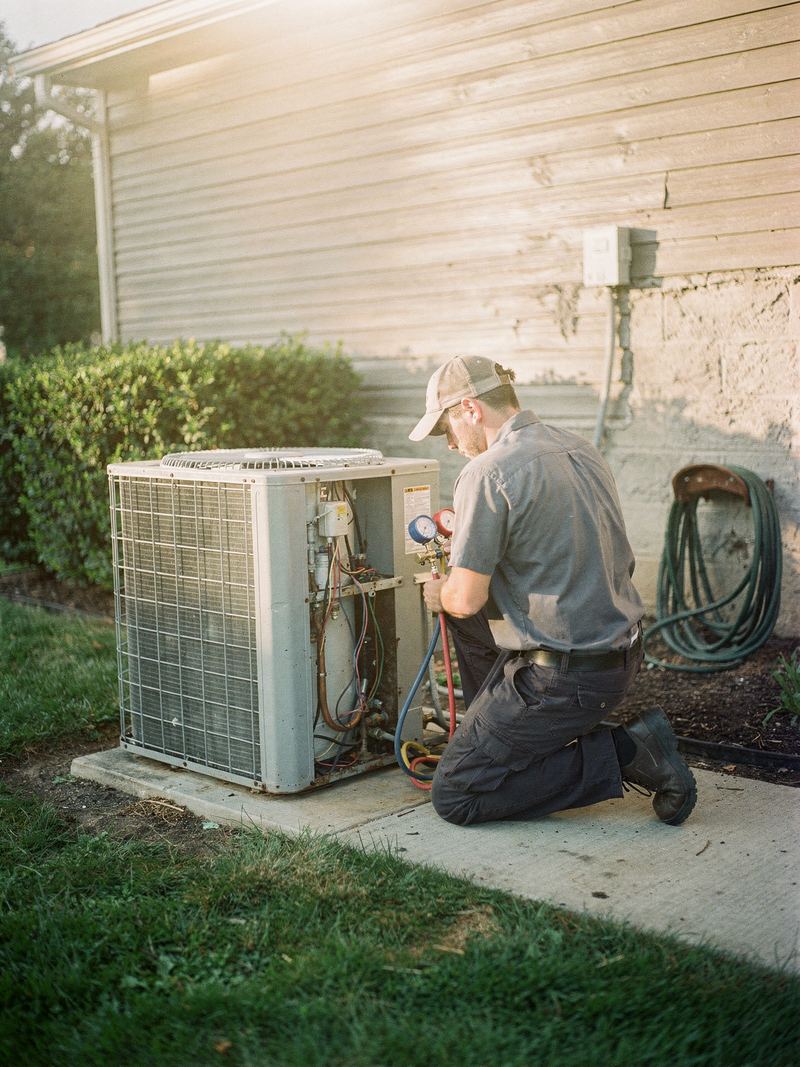





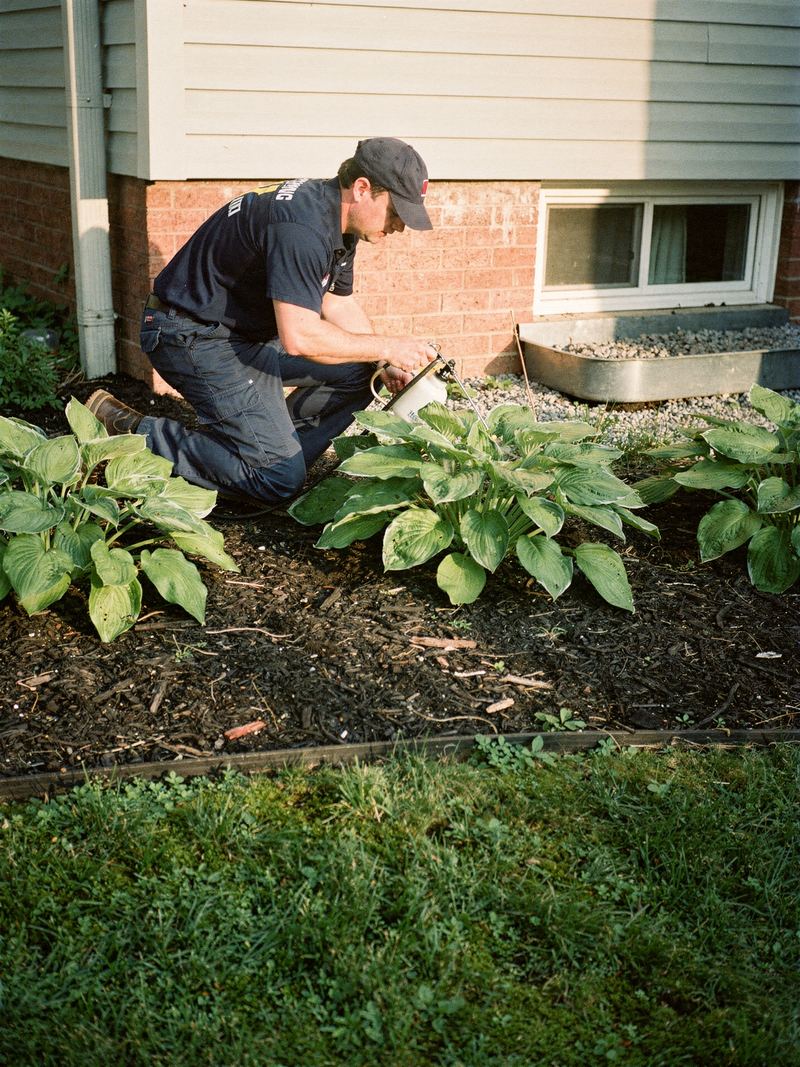




The hiring guide for home service businesses
How to write a job post, find and screen technicians, run ride-alongs and skills tests, make a clear offer and onboard new hires so they stay.

Most owners hire when they are already short-handed, and hiring in a hurry is how you end up with the wrong person in a truck with your name on it. This guide gives you a process you can run every time: define the role, write a post that attracts the right people, screen fast, watch candidates work before you commit, make a clear offer and run a first month that sets new hires up to stay. It is general education, not legal advice. Employment rules differ by state and city, so check the details with an employment attorney, your state labor department or your payroll provider before you change how you hire.
Start with the job, not the ad
A vague job leads to a vague post, and a vague post brings in everyone and no one. Before you write a word of the ad, spend 30 minutes on a one-page role scorecard. You will use it for the post, the interview questions, the ride-along and the 30-day review.
What goes on the scorecard
- Title and level. Helper, apprentice, service technician, installer or lead tech. Each one needs different skills and a different pay range.
- What success looks like at 90 days. For example: "Runs three to four residential service calls a day on their own, follows the price book, leaves every job site clean and gets positive feedback from customers."
- Must-haves. Things you cannot train fast: a valid driver's license and a record your insurer will accept, the license your state requires for the work, the ability to lift and climb safely, a clean way with customers.
- Trainable. Things you can teach: your field software, your price book, how you present options, a specific brand of equipment.
- Schedule. Regular hours, on-call rotation, weekend expectations and how busy seasons change things.
- Pay structure. Hourly, salary, flat-rate or a mix, plus overtime, on-call pay and any bonus. Write down a range you can actually afford.
- What you provide. Truck, tools, uniform, phone, training, licensing support.
Check the pay against your numbers
A new technician has to generate enough billable work to cover their wage, payroll taxes, benefits, the truck, tools and training time. If you have not worked out your billable hourly rate, do that before you promise a pay range. Our guide to calculating your billable hourly rate walks through the formula. A new hire will not be fully productive in week one, so budget for a ramp-up period where you are paying more than they bring in.
Hire for the gap you actually have
Ask what is really stretched. If your lead tech spends half the day on simple drain calls, you may need a second service tech. If your techs lose hours to supply runs and paperwork, an apprentice or an office hire might free more capacity than another licensed tech. The best hire is the one that removes your biggest bottleneck, not the one that copies your best person.
Writing the job post
Good candidates read job posts on their phones, often after a long day. They skim for pay, schedule, the kind of work and whether you sound like a decent place to work. Give them those answers fast.
Principles that make a post work
- Lead with the day, not the company history. Describe what a normal day looks like: the kind of calls, the service area, the start time, whether they take the truck home.
- Put the pay range in the post. It saves everyone time, and some states and cities require it. Check the rules where you hire.
- Be specific about what you provide. "Company truck, tools and a tablet" is more convincing than "great benefits".
- Say who will not be a good fit. "If you don't like talking to homeowners, this isn't the job for you" filters people out politely.
- Write plainly and honestly. Skip "rockstar", "ninja" and "fast-paced family". Do not promise pay levels, schedules or growth you cannot deliver, because the new hire will find out in week two.
- Keep the language neutral. Describe the job requirements, not the kind of person you picture. Words like "young", "recent grad" or "digital native" can signal an age preference and can create legal risk.
- Tell them exactly how to apply. A short form, a text number or an email. The fewer steps, the more applicants finish.
The job post template
Copy this, fill in the brackets and cut anything that does not apply.
Job title: [Service plumber / HVAC service technician / Electrician / Apprentice], [residential / commercial], [city or area]
Pay: $[low] to $[high] per [hour / year], based on [license level / experience]. [Overtime, on-call pay and bonus details.]
Schedule: [Days and hours]. [On-call rotation, for example "one weekend in four, paid".] [Take-home truck: yes / no.]
What you'll do:
- Run [number] residential [service calls / installs] a day across [service area]
- Diagnose and repair [the main types of work: drains, water heaters, fixtures / no-cool and no-heat calls / panels and circuits]
- Explain options and prices to homeowners using our price book
- Keep your truck stocked and your job notes and photos up to date in our field app
What you'll need:
- [License or certification required by your state or trade]
- A valid driver's license and a driving record that meets our insurer's requirements
- [Years] of hands-on experience, or a willingness to learn if this is an apprentice role
- The ability to [lift, climb ladders, work in attics and crawlspaces]
What we provide:
- [Truck, tools, uniform, phone or tablet]
- [Paid training, license exam fees, continuing education]
- [Health coverage, retirement plan, paid time off: list what is real]
Why people stay here: [Two or three true sentences. For example: "We don't run techs past 6 pm unless it's an emergency. We pay for every license upgrade. The owner still runs calls and knows the work."]
How to apply: [Short form link, text number or email]. We reply to every applicant within [two] business days.
A quick test before you post
Read your post as a tech who already has a job. Does it tell them anything they would not get elsewhere? If you removed your company name, could it be any shop in town? If so, add one specific, true detail about how you run things.
Where to find candidates
The strongest hiring pipelines use several sources at once and never fully shut off. Even when you are fully staffed, keep a list of people you would like to talk to.
| Source | Best for | How to use it |
|---|---|---|
| Referrals from your own team | Experienced techs | Offer a referral bonus paid in two parts: some on hire, the rest after the new person stays a set period |
| Trade schools and community college programs | Apprentices and helpers | Offer to speak to a class, host a shop visit or provide a ride-along day |
| Apprenticeship programs | Apprentices | Ask your state apprenticeship office or trade association how registered programs work in your trade |
| Supply houses | Experienced techs | Counter staff often know who is unhappy where they work. Let them know you're hiring |
| General and trade job boards | All levels | Post the same honest ad; check each board's current pricing and terms |
| Your website and Google profile | All levels | Add a careers page and mention openings in your profile updates |
| Local community groups and social media | Helpers and career changers | Post a short version of the ad with the pay range and a photo of the real work |
| Veterans and transition programs | All levels | Look into programs that help service members move into civilian trades, and check eligibility rules |
| Adjacent fields | Apprentices and trainable hires | Apartment maintenance, appliance repair, auto service and warehouse work build useful habits |
Career changers are worth a look
Someone who spent years as a maintenance tech at an apartment complex already knows how to show up, troubleshoot and deal with residents. An auto mechanic understands diagnosis and customer explanations. They may not have your license yet, but many can get there with support. Ask what your state requires to move from helper or apprentice to licensed tech, and map out the path before you make promises.
Make it easy to say yes
Answer applicants fast. A candidate who applies on Monday and hears back the following week has probably talked to someone else by then. Set a rule: every applicant gets a reply within two business days, even if the reply is "not this time".
Screening: the phone screen and the interview
Screening has two stages. A short phone screen removes candidates who cannot meet the must-haves. A structured interview compares the rest fairly.
The 15-minute phone screen
Use the same questions for every candidate and write the answers down.
- "What made you apply for this job?"
- "Tell me about your current or last role. What kind of calls did you run in a typical day?"
- "Which license or certifications do you hold right now?" Confirm the details later with your state's license lookup.
- "Do you have a valid driver's license?"
- "Our schedule is [hours], with [on-call details]. Does that work for you?"
- "The pay range for this role is [range]. Does that work for you?"
- "If we move forward, when could you start?"
- "What questions do you have for me?"
If the candidate cannot meet a must-have, thank them and close it out politely on the call or in writing within a day.
The structured interview
A structured interview means you ask every candidate the same core questions and score each answer on the same simple scale, such as 1 to 4. It makes it easier to compare people fairly and to avoid hiring whoever you happened to click with.
Customer questions
- "Tell me about a time a homeowner was upset about the price. What did you say, and how did it end?"
- "A customer asks you to do something that you think breaks code. What do you do?"
- "How do you explain a repair to someone who knows nothing about [plumbing / HVAC / electrical]?"
Work habits
- "Walk me through what you do when you arrive at a house, from parking the truck to knocking on the door."
- "Tell me about a mistake you made on a job. How did you find it and fix it?"
- "How do you keep your truck organized and stocked?"
Technical questions (examples by trade)
- Plumbing: "A customer has no hot water from a gas tank heater. Walk me through your diagnosis."
- HVAC: "It's a hot afternoon and a customer's system is running but blowing warm air. Where do you start?"
- Electrical: "A breaker keeps tripping when the customer runs the microwave and a space heater. How do you approach it?"
- Garage doors: "A door is stuck half open and the customer wants it closed tonight. What's your safety process?"
- Cleaning: "You finish a move-out clean and notice damage the customer didn't mention. What do you do?"
Motivation
- "Where do you want to be in two years?"
- "What did your best boss do that others didn't?"
- "What would make you leave a job?"
Questions to stay away from
Stick to questions about the job and the candidate's ability to do it. Avoid questions about age, family plans, pregnancy, religion, national origin, disability, marital status and other protected characteristics. If you need to know whether someone can perform a physical part of the job, describe the task and ask whether they can do it, with or without an accommodation. An employment attorney can review your question list once and save you worry.
Green flags and red flags
Green flags: they ask about your training and how you handle callbacks, they speak respectfully about past employers and customers, they admit what they do not know, they show up on time.
Red flags: they blame every past employer, they dodge the license question, they cannot describe a single job in detail, they are dismissive about customers or cleanup.
Ride-alongs and skills tests
An interview tells you how someone talks. A ride-along and a skills test show you how they work. For any tech who will be alone in customers' homes, this step is worth the time.
Setting up the ride-along
A ride-along is a half day with one of your senior techs on real calls. Before you run one, sort out two things:
- Pay. If the candidate does real work, wage laws may require you to pay them for that time. Ask your payroll provider or an employment attorney how to set it up properly.
- Insurance. Check with your insurance agent that a non-employee riding along or working on site is covered, and have the candidate sign whatever your agent recommends.
Tell the candidate the plan: where to meet, what to wear, how long it lasts and what they will be doing. For most candidates, observing and assisting is enough.
What your senior tech should watch for
- Do they arrive on time and ready?
- How do they greet the customer? Do they introduce themselves and listen?
- Do they put on shoe covers and protect the floor without being told?
- Are they curious? Do they ask good questions about the diagnosis?
- How do they handle their phone during a call?
- Do they help clean up and load the truck?
- How do they talk about their current employer when the customer is out of earshot?
Ask your senior tech to fill in a short rubric right after, scoring punctuality, customer manner, curiosity, care for the home and teamwork. Then ask the question that matters most: "Would you want this person on your crew?"
Skills tests by trade
A skills test is a short, practical task in your shop or on a training board. Keep it to 30 to 60 minutes, use the same test for every candidate at the same level, and score it the same way. Some ideas:
- Plumbing: sweat or press a copper joint; diagnose a running toilet on a bench setup; read a water heater data plate and explain what it tells you.
- HVAC: walk through a no-cool diagnosis on a training unit; explain what readings they would take and why; show safe handling of refrigerant gauges. Anyone who handles refrigerant needs EPA Section 608 certification, so confirm it.
- Electrical: wire a three-way switch on a practice board; explain how they would trace a tripping circuit; talk through lockout and testing before touching anything.
- Garage doors: explain the safety steps for working with springs and cables, using a training door if you have one. Never ask a candidate to do something unsafe to prove themselves.
- Cleaning: clean a bathroom to your written checklist while you observe, then walk it together.
- Painting: cut in a straight line along a ceiling on a practice wall; patch and prep a small drywall repair.
- Apprentices and helpers: read a tape measure, measure and cut to length, follow a set of written steps, sort a mixed box of fittings or fasteners. You are testing aptitude and care, not experience.
Scoring and deciding
Put the phone screen notes, the interview scores, the ride-along rubric and the skills test result side by side. Decide as a team, but the final call is yours. If two candidates are close, the one your senior tech wants on the crew usually deserves the edge.
Checks, references and the offer
Once you have a preferred candidate, verify what they told you and move quickly. A strong candidate may be talking to other shops, so aim to go from final interview to written offer within a few days.
References
Call at least two former supervisors, not coworkers or friends. Useful questions:
- "What kind of work did they do for you?"
- "How did customers respond to them?"
- "How did they handle a callback or a mistake?"
- "What would you want their next boss to know?"
- "Would you hire them again?"
Listen for hesitation. A reference who pauses before "Would you hire them again?" has answered it.
Licenses, driving records and background checks
- Licenses: confirm the license number, level and status on your state licensing board's website.
- Driving record: your auto insurer will likely have rules about who can drive your vans. Check before you make an offer that depends on driving.
- Background checks: in the US, a check run through a screening company comes with federal rules, including a written disclosure, the candidate's permission and specific notices if you decide not to hire based on the report. Many states and cities also limit when and how you can ask about criminal history. Your screening provider and an employment attorney can make sure your process follows the rules where you hire.
- Drug testing: rules vary by state. If you test, write a policy and have it reviewed.
Making the offer
Call first. Tell the candidate you'd like them to join, share the headline terms and answer questions. Then send a written offer the same day. The written offer should cover:
- Job title, level and who they report to
- Start date and first-day details: time, address, what to bring
- Pay rate or salary, how overtime and on-call work are paid, and when pay reviews happen
- Any bonus, commission or flat-rate pay plan, explained in plain language with an example
- Benefits and when they start
- Truck, tools and equipment you provide, and your policies on personal use
- Any introductory or training period, and what you will review at the end of it
- Conditions of the offer, such as license verification or a driving record check
If you pay techs on flat-rate or commission, wage and overtime rules still apply. Have your payroll provider or attorney review the plan before you put it in writing. Keep any language about at-will employment or introductory periods consistent with your employee handbook and your state's rules.
The first 30 days
The first month decides whether a new hire becomes a long-term tech or a short line on your payroll report. A new tech who feels lost, underused or thrown in the deep end starts looking again quickly. Plan it before day one.
Before day one
- Truck stocked, cleaned and ready, or a clear plan for who they ride with
- Uniform, boots or safety gear, and a name badge ordered in the right sizes
- Phone or tablet set up with logins for your field app, email and any training platform
- New-hire paperwork ready, such as Form I-9, tax forms, your state's forms and direct deposit. Your payroll provider can tell you what applies
- A buddy assigned: a senior tech who has agreed to mentor them and has time blocked to do it
- A welcome message sent with the start time, address, parking and who to ask for
The 30-day plan
| Timeframe | Focus | What happens |
|---|---|---|
| Day 1 | Welcome and basics | Meet the team, tour the shop, safety briefing, paperwork, truck and tools, how dispatch works, ride with their buddy in the afternoon |
| Days 2 to 5 | Shadow | Ride with their buddy on every call. Learn the field app, the price book and your photo and notes standards. Ten-minute debrief at the end of each day |
| Week 2 | Do with support | Lead parts of calls with their buddy present: greeting, diagnosis, presenting options. Buddy steps in only when needed |
| Week 3 | Solo on simple calls | Run straightforward calls alone, with the buddy one phone call away. Review every invoice, photo set and job note |
| Week 4 | Build range | Add more complex call types. Join a team meeting. Start asking for reviews on completed jobs |
| Day 30 | Review | A sit-down with you: what's going well, what's hard, what they need, and goals for days 31 to 90 |
What to teach in the first month
- Safety: ladders, attics and crawlspaces, gas, electrical isolation and testing, personal protective equipment, driving and vehicle checks
- How you treat a home: shoe covers, drop cloths, where to park, how to leave the work area
- Your systems: the field app, job notes, photos, invoices, payments and truck stock
- Your price book and how to present options. Role-play it before they do it for real
- How to ask for a review at the end of a job, in a way that is fair and honest. Our guide to asking for reviews the fair way has scripts
- Who to call for a pricing question, a difficult customer or an emergency
The day-30 review
Ask four questions and write the answers down: "What's been better than you expected? What's been harder? What do you need from me? What do you want to be doing six months from now?" Then share your own view with specific examples. If there is a problem, name it now. It is much harder to fix at day 90.
Retention: keeping the people you hired
Every tech who leaves takes training time, customer relationships and a chunk of your schedule with them. When a tech leaves, the reason often comes back to one of a few things: pay that has not kept up, no path forward, a bad relationship with a manager, unpredictable hours or constant on-call, poor trucks and tools, or feeling unappreciated. Most of these are within your control.
Pay reviews on a schedule
Do not wait for someone to ask for a raise or bring you a competing offer. Review pay at least once a year for everyone, and at clear milestones such as passing a license exam. Tie increases to things the tech can see: new skills, license levels, callback rates, customer feedback.
A career ladder people can see
Write down the levels in your company and what it takes to move up. A simple version:
| Level | What it looks like | To move up |
|---|---|---|
| Helper | Assists on calls and installs, learns tools and safety | Shows up reliably, learns the basics, starts training toward a license |
| Apprentice | Handles parts of jobs under supervision | Completes required hours and training, passes skills checks |
| Service tech | Runs calls alone, presents options, earns good feedback | Consistent quality, low callbacks, mentors newer hires |
| Lead tech | Handles complex calls, trains others, first point of contact for questions | Leads a crew or a specialty, helps with hiring and training |
When a tech can see the next step and what it takes, they have a reason to build their future with you.
Training that never really stops
Budget time and money for training every year: manufacturer courses, license exam prep, continuing education, customer communication. Share what you learn at a short weekly or monthly team meeting.
Tools, trucks and schedules
A tech who fights with a broken van or missing tools every day will eventually leave for a shop that gives them what they need. Fix trucks quickly, replace worn tools, and set clear rules for on-call rotation so the load is shared fairly. Predictable hours matter to people with families.
Recognition and communication
Say thank you in specific terms. "The customer on Elm Street called to say you were the most careful tech she's had in her house" means more than "good job". Share positive customer feedback with the whole team. Keep people informed about what's changing in the business before they hear it secondhand.
Stay interviews and exit interviews
A stay interview is a short conversation with a tech who is doing well, before there is any sign of trouble. Ask: "What keeps you here? What would make you think about leaving? What's one thing we could change?" Act on what you hear.
When someone does leave, ask the same questions on the way out. Write the answers down and look for patterns over time.
Mistakes to avoid and your hiring kit
Common hiring mistakes
- Hiring the first licensed person who answers. A license proves a minimum level of knowledge, not how someone treats a customer or a home.
- Skipping the ride-along because you're busy. An hour of your senior tech's time is cheaper than a bad hire.
- Vague pay. A candidate comparing two posts can skip the one that hides the pay, and a range that turns out lower than hinted costs you trust on day one.
- Sending a new hire out alone in week one. It puts your reputation and their confidence at risk.
- Letting your best tech "train" without time to do it. Mentoring needs to be scheduled and recognized, not squeezed between calls.
- Promising what you can't deliver. A pay bump, a new truck or a promotion that never arrives is a fast way to lose trust.
- Only hiring when desperate. Keep a pipeline warm so you are never forced to take whoever is available.
Your hiring kit
Build these once, store them in a shared folder and update them after each hire:
- The role scorecard for each position
- Your job post template, filled in for each role
- The phone screen script
- The structured interview questions and scoring sheet
- The ride-along rubric and skills tests
- The reference check questions
- Your offer letter template, reviewed by an attorney
- The 30-day onboarding plan and the day-30 review questions
- The career ladder and your pay review schedule
Where the work comes from
A good hire needs a steady schedule to stay busy, which means customers need to find you and choose you. If you want a quick look at how your business shows up on Google, the free Zome AI report checks your ranking, website and reviews and lists what to fix first.
More guides
All resources Prompt library100 AI prompts for home service businessesCopy a prompt, fill in the brackets with your own details and get a useful first draft in seconds. 100 prompts grouped by the jobs owners actually do every week.
 GuideBusiness plan template for home service companiesTen sections, each with what to write, a checklist and example wording you can adapt. Built for trades owners who want a plan they'll actually use.
 Guide37 Google Business Profile tips for home service businessesA practical list of 37 things to set up, fix and keep doing on your Google Business Profile, written for service businesses that go to the customer.
The easiest way to grow your service business online.
Get your free AI report in about a minute, then see exactly what Zome would fix first.