






Contents
Reviews are one of the first things a homeowner checks before calling a plumber, roofer or cleaner they have never used. It is tempting to ask only the customers who thanked you at the door, or to survey everyone and point only the happy ones to Google. Don't. It breaks Google's rules and hides the feedback you most need to hear. Here is a fair system instead: ask every customer, at the right time, in plain words, and reply to whatever comes back.
Ask every customer, not just the happy ones
"Review gating" means filtering who gets asked for a public review based on how you think they feel. It takes a few forms:
- Asking only the customers you expect to be happy
- Sending a "How did we do?" survey first and only giving the review link to people who score you highly
- Telling unhappy customers to contact you privately instead of posting
Google's policies do not allow businesses to selectively ask for positive reviews or to discourage negative ones. Even without the rules, there are good reasons to ask everyone:
- Your reviews look real. A natural mix of comments is more believable than a wall of identical praise.
- You hear about problems. A customer frustrated about a late arrival will tell someone. Better that it is you, where you can respond.
- It is simpler. Nobody on your team has to decide who "deserves" the link.
Private feedback still has a place. You can ask how the job went at the door or run a separate survey. Just send the review request to everyone, whatever their answer.
Know the rules before you ask
Google updates its review policies from time to time, so read the current versions of its Business Profile and Google Maps content policies before you start. In general terms, they cover points like these:
- No incentives. Do not offer discounts, gift cards, free service, prize drawings or anything else in exchange for a review, even if you do not ask for a positive one.
- No fake reviews. Do not post reviews yourself, have staff, friends or family post them, or pay anyone to post them.
- No conflicts of interest. Owners and employees should not review their own business, and you should not review competitors.
- No writing reviews for customers. Do not draft the text or post on their behalf, even if they say "just write something for me".
- No gating. Ask everyone the same way.
Breaking these rules can get reviews removed and your profile restricted. Other review sites have their own rules, and some discourage businesses from asking for reviews at all, so read each site's guidelines first. In the US, the Federal Trade Commission also has rules on fake and paid reviews. If you are unsure whether something is allowed, check the current rules or talk to a lawyer.
Pick the right moment
The best time to ask is soon after the job is truly finished, when the customer has seen the result and still remembers your tech's name. "Finished" looks different by trade:
| Trade | Job | A good moment to ask |
|---|---|---|
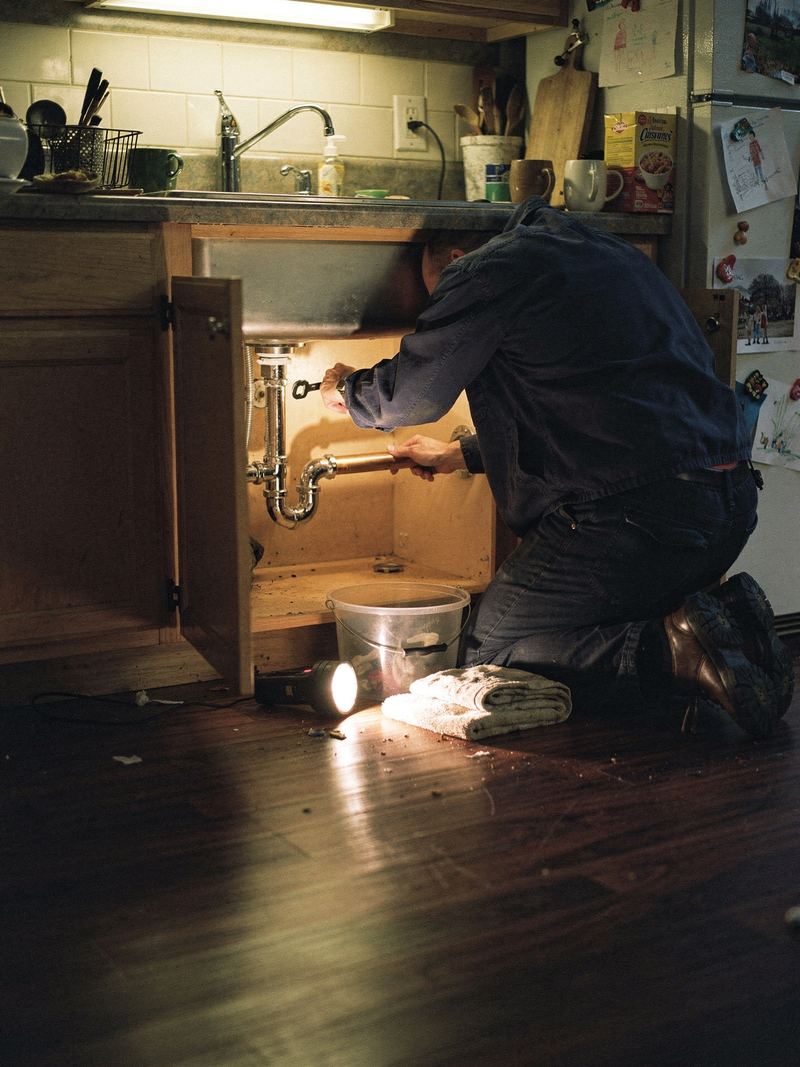
| Plumbing | Burst pipe or clogged main line | Same day, once water is back on and the area is cleaned up |
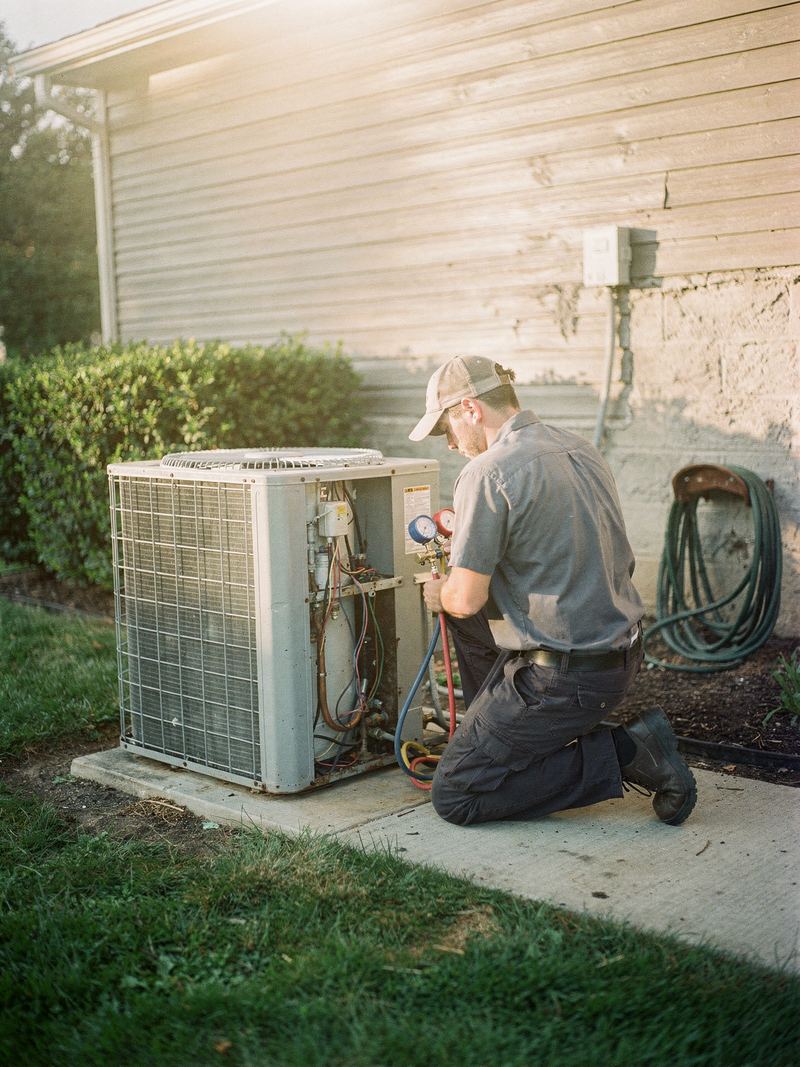
| HVAC | New system install | After a day or two of running, once they have felt the difference |
| Electrical | Panel upgrade | Once the work is complete and power is fully restored |
| Roofing | Storm damage repair | After cleanup and the final walk-through, not with nails still in the driveway |
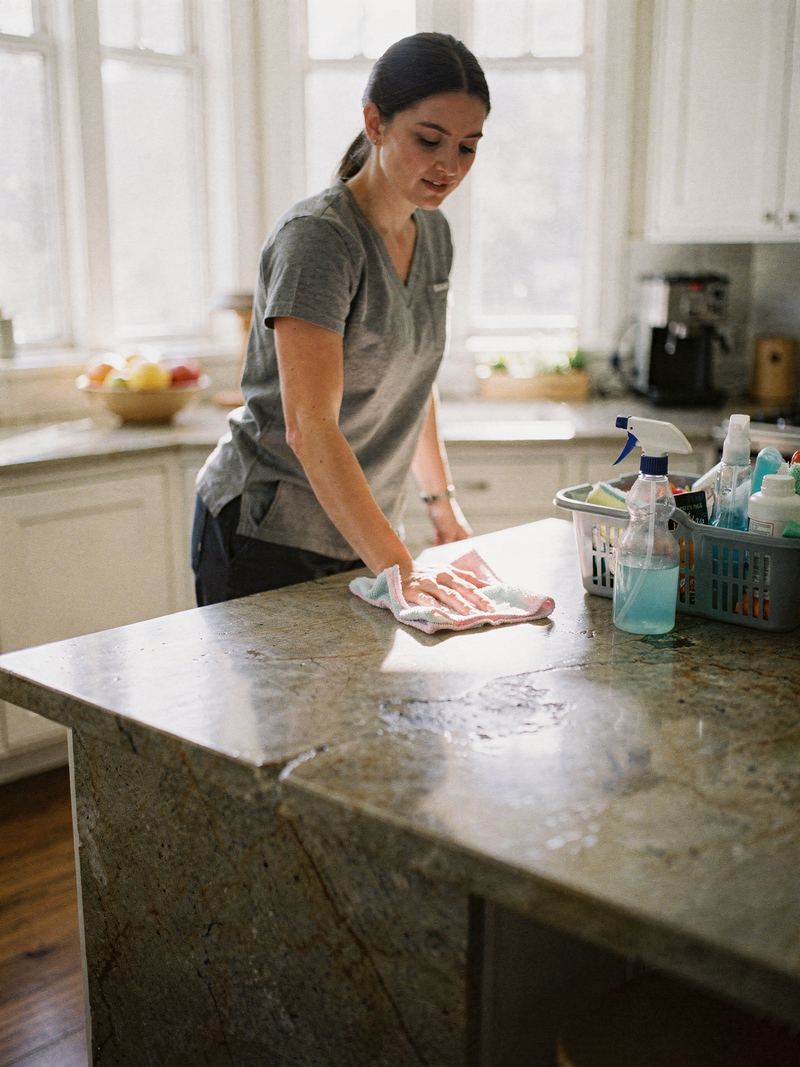
| Cleaning | Recurring house cleaning | After the first clean, not after every visit |
| Landscaping | Patio or planting project | After the final walk-through |
| Pest control | Quarterly treatment plan | After the first service is complete |
| Garage doors | Spring replacement | Same day, once the door runs smoothly |
Waiting until the work is actually finished is fine. Skipping a customer because you suspect they are unhappy is not.
Ask in person first
A short ask from the person who did the work goes a long way, and it tells the customer to expect your text.
Send the link within a few hours. If there is no response, one friendly reminder a few days later is enough. After that, let it go.
Text message wording you can copy
Text works well because the customer can tap the link right away. Keep it short: who you are, what you did, the link and a thank you. Do not ask for five stars or suggest what to write.
For a standard job:
For an emergency call:
For a recurring service like cleaning, lawn care or pest control, send the same message after the first visit and mention "your first visit".
A single reminder a few days later:
Only text customers who gave you their mobile number and expect texts from you. Rules on business texting vary, so check what applies where you work. Our guide to text message marketing covers consent in more detail.
Email wording you can copy
Email suits bigger projects where the customer may want to write more, like a roof replacement, a bathroom remodel, a new AC system or an EV charger install.
Subject line ideas: "How did we do on your {job}?" or "Thank you from {Business}".
Email body:
The offer to fix problems goes to every customer, alongside the review link, never instead of it.
Make it easy to leave the review
- Use your direct review link. Your Google Business Profile gives you a short link that opens the review form. Look for the option to ask for reviews in your profile, and test the link on a phone.
- Put it where customers already look. Invoice emails, receipts and a leave-behind card with a QR code.
- Let customers use their own device. Handing over your tablet at the door puts pressure on the customer and can make the review look like you wrote it.
- Leave the words to them. No suggested text and no hints about the star rating.
Reply to every review
Future customers read your replies as closely as the reviews. A calm, specific reply shows how you treat people, especially when things go wrong. Try to reply within a few days.
Keep private details out of every reply. Do not mention the customer's address, what you found in their crawlspace, what they paid or anything about their health or family.
Positive review:
Mixed review:
Only say you changed something if you actually did.
Negative review:
Do not argue the details in public, even if you think the customer is wrong. Take it offline and fix what you can.
A review you believe is not from a customer. Check your records first. If you cannot find the job, reply calmly: "We can't find a record of working with you under this name. Please call us at {phone} so we can look into it." If the review breaks Google's policies, report it through your Business Profile. Google does not remove reviews just because they are negative, so a calm reply is often your best tool.
Learn from what comes back
Once a month, read every new review and any private feedback. Look for patterns: arrival times, cleanup, how clearly prices were explained. Share praise with the tech who earned it, in front of the team. Pick one repeated complaint and fix the process behind it.
Your review request checklist
If you would rather not send every request by hand, Zome's Reviews Engine is built on the same approach: a fair, automatic review request to every customer after a completed job.