Contents
The easiest job to win is the one from a customer who already hired you. They know your work, they have your number somewhere, and they would rather not start over with a stranger. Email is how you stay in their mind between jobs. It costs very little, you own the list, and it suits the seasonal and recurring work most trades depend on. This guide covers building a list, the emails worth automating, templates for several trades and the rules to follow.
What email can and cannot do for you
Email will not create a burst pipe. Nobody reads a newsletter and decides to have an emergency. But email is very good at three things:
- Planned and seasonal work. AC and furnace tune-ups, water heater checks, gutter cleaning, sprinkler startups, quarterly pest treatments, spring deep cleans.
- Follow-up on decisions. Unsold estimates for a panel upgrade, a new roof or a patio are often decided weeks later. A helpful follow-up keeps you in the running.
- Being remembered. When the emergency does happen, the homeowner who got a useful email from you last month is more likely to find your name first.
Step 1: Build your list the right way
You probably have more email addresses than you think. They are sitting in your invoicing software, your estimates, your booking forms and old job tickets.
Before you send anything, sort out permission. The safest and most effective approach is to ask. Add a checkbox wherever you collect contact details, on your booking form, estimate and invoice:
- "Send me maintenance reminders and occasional offers from {Business}. I can unsubscribe anytime."
Have techs mention it at the end of a visit too: "We send a reminder when your system is due for its next check. Want me to add you?"
Then clean the list:
- Remove duplicates and addresses that have bounced.
- Separate homeowners from landlords, property managers and commercial accounts. They need different messages.
- Tag each customer with what you did and when: service type, equipment and its approximate age, town, last visit date.
Those tags are what make email useful. "Your furnace is due for its fall check" beats "Check out our fall specials" every time.
Step 2: Choose a tool
Do not send marketing email by putting customers in the BCC line of your personal inbox. It looks unprofessional, it cannot handle unsubscribes, and it can get your everyday email flagged as spam.
Use either a dedicated email marketing tool or the email features inside your field service software. Whatever you choose, check that it can:
- Import customers and tags from the software you already use
- Send automated emails based on dates, like 11 months after a service
- Show mobile-friendly templates (many customers will read on a phone)
- Handle unsubscribes automatically
- Walk you through sending from your own domain with SPF, DKIM and DMARC set up, which the big inbox providers expect
Step 3: Set up five emails that run on their own
Automated emails are sent when something happens, like a finished job or a date on the calendar. Set them up once and they keep working.
- Thank-you and review request. Sent the day the job is finished.
- Maintenance reminder. Timed to the service interval for that customer.
- Estimate follow-up. Sent a few days after an estimate that has not been accepted.
- Seasonal reminder. Sent to everyone tagged for that kind of work, a few weeks before the season.
- Win-back. Sent to customers you have not seen in a long time.
If you sell a maintenance plan, the reminder email doubles as your renewal and upgrade prompt. Our guide to building a maintenance membership program covers how to set one up.
Templates you can copy
Replace anything in braces. Keep every email short, personal and from a real person at your company.
Thank-you and review request (any trade)
Subject: Thanks for having us out, {First name}
Hi {First name},
Thanks for choosing {Business} today. {Tech name} replaced the {part or service} and everything tested fine before we left. Your invoice and warranty details are attached.
If anything doesn't seem right, reply to this email or call {phone} and we'll sort it out.
And if you were happy with the visit, a short Google review helps other homeowners find a company they can trust: {review link}.
Thanks again, {Owner name}
Send this to every customer, not only the ones you expect to be happy. See how to ask for reviews honestly for why that matters.
HVAC: fall furnace check
Subject: Your furnace check is due before the first cold night
Hi {First name},
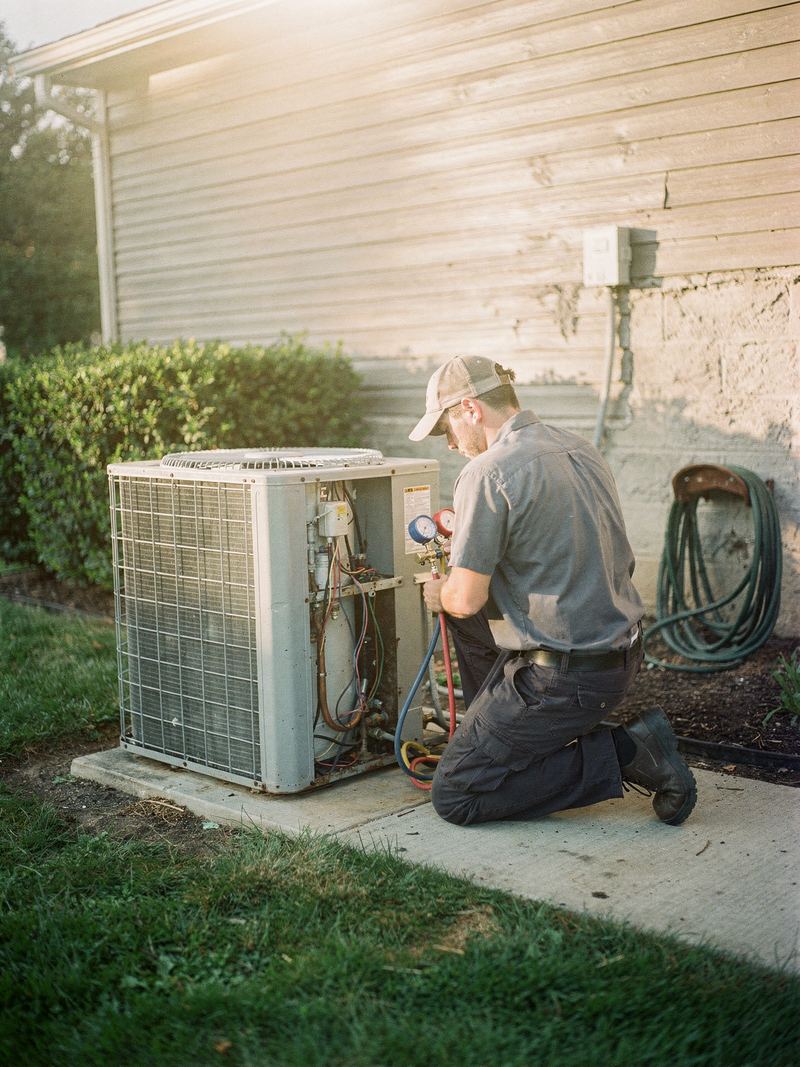
It's been about a year since we serviced your {furnace brand} furnace. A fall check is the best time to catch a weak igniter, a dirty flame sensor or a cracked belt, before it quits on the coldest night of the year.
We have openings over the next few weeks. Pick a time here: {booking link}. Or reply with a couple of days that work.
{Owner name}, {Business}
Plumbing: water heater check
Subject: A quick check for your water heater
Hi {First name},
We installed your water heater in {month and year}. Many manufacturers recommend a yearly check and flush to clear sediment, which can help it run quietly and last longer.
If you'd like us to take care of it, you can book a visit here: {booking link}. We'll also test the relief valve and look for early signs of leaks.
{Owner name}, {Business}
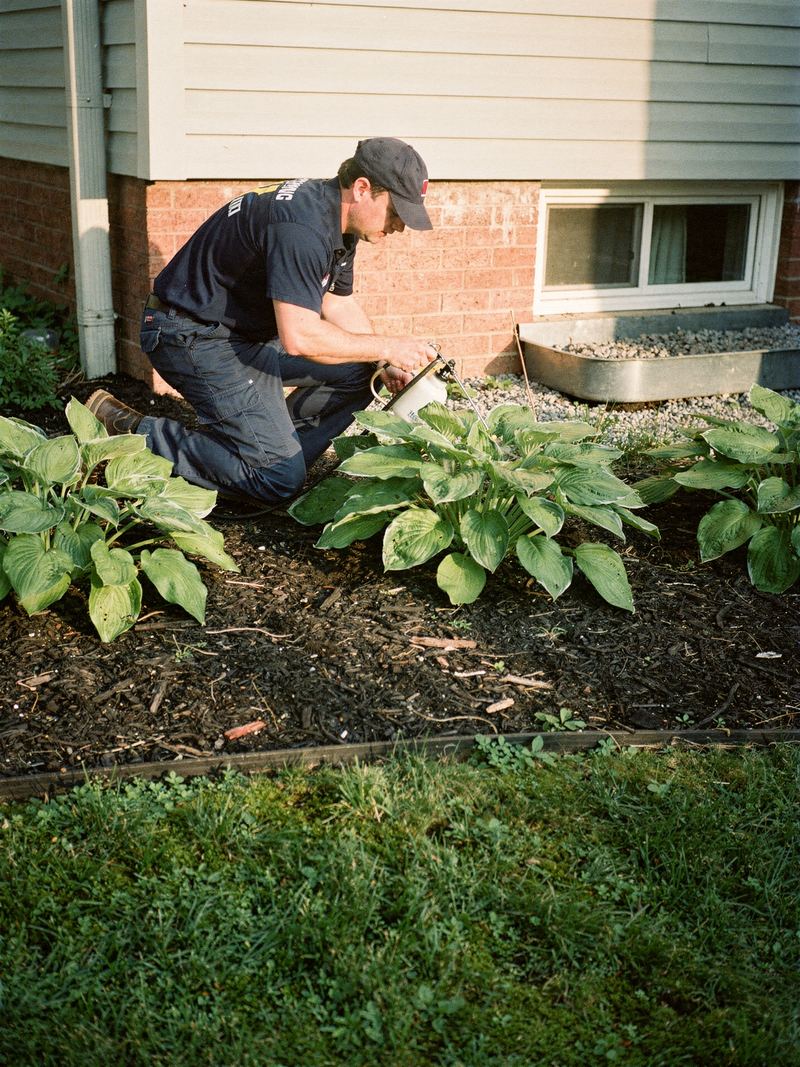
Landscaping: spring cleanup
Subject: Spring cleanup dates are opening up
Hi {First name},
We're building our spring schedule and wanted to give past customers first pick. Spring cleanup includes clearing leaves and debris, cutting back perennials, edging beds and a fresh layer of mulch if you want it.
Reply "spring" and we'll send you a quote and a few dates, or book here: {booking link}.
{Owner name}, {Business}
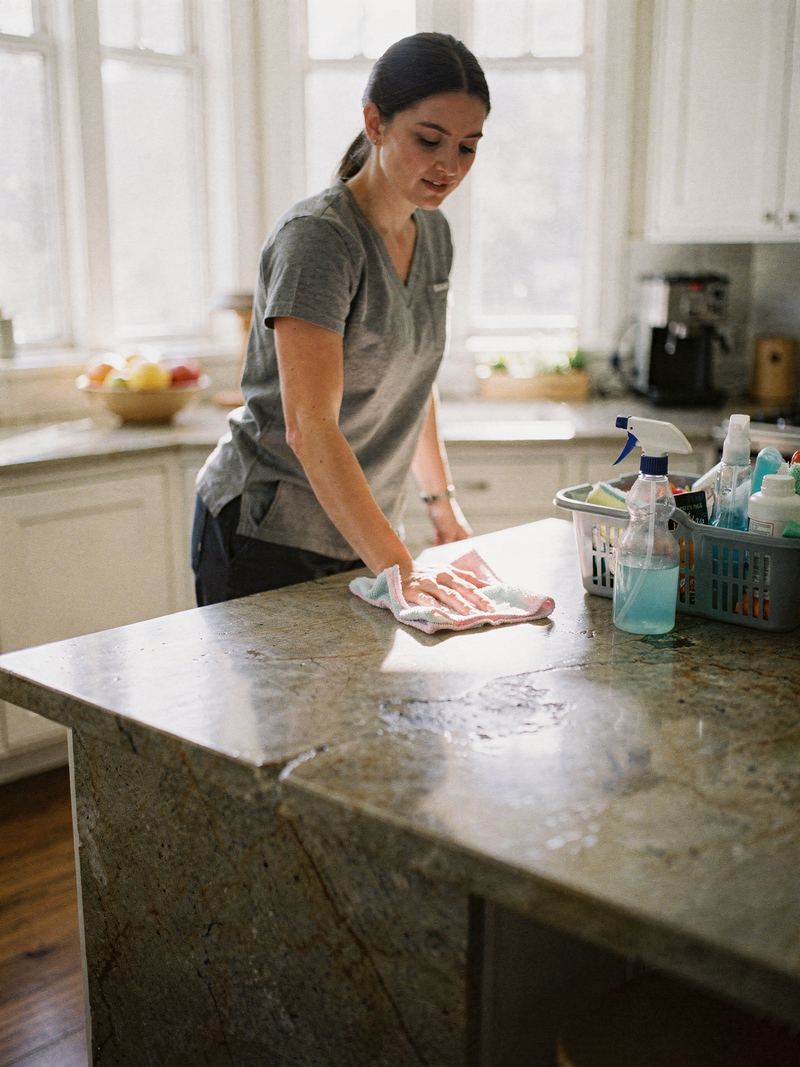
Cleaning: from one-time clean to recurring
Subject: Want your home to stay this way?
Hi {First name},
Thanks for having us for your deep clean last week. The hardest part is done. If you'd like to keep it that way, we can come every two or four weeks, with the same team each visit when we can.
Recurring visits are quicker than a first-time deep clean, and you can pause or cancel anytime. Reply with the schedule you're thinking of and we'll send your price.
{Owner name}, {Business}
Electrical: estimate follow-up
Subject: Questions about your panel upgrade estimate?
Hi {First name},
I wanted to follow up on the panel upgrade estimate {Tech name} put together on {date}. Big electrical projects usually come with questions, like how long the power will be off, what the permit and inspection involve, and whether you'll need anything from the utility.
Happy to answer any of those by email or on a quick call. The estimate is here if you want to look again: {estimate link}.
{Owner name}, {Business}
Roofing: after a major storm
Subject: Checking in after last week's storm
Hi {First name},
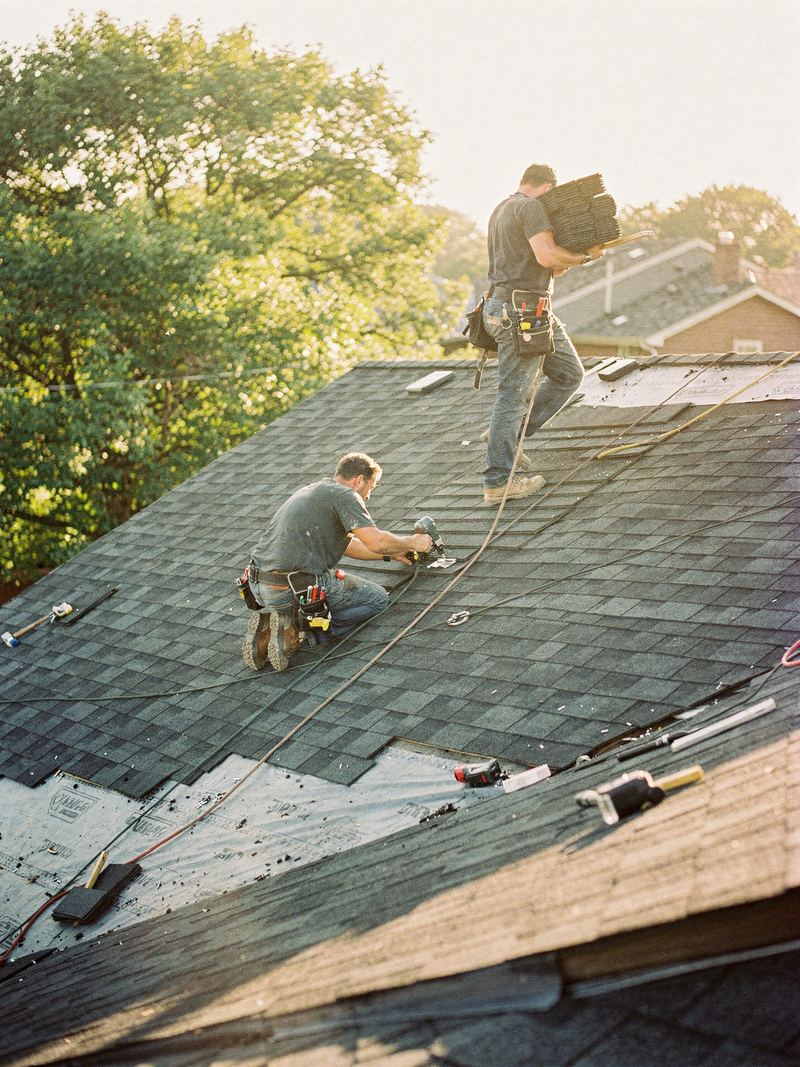
We replaced your roof in {year}, so we wanted to check in after last week's storm. From the ground, look for missing or lifted shingles, granules collecting at the bottom of downspouts, and any new stains on ceilings.
If you see anything, reply with a photo and we'll tell you honestly whether it's worth a visit. Your workmanship warranty details are here: {warranty link}.
{Owner name}, {Business}
Notice what that roofing email does not do. It does not invent urgency, and it does not pressure anyone into an insurance claim. It is useful, specific and honest, which is what keeps people subscribed.
Win-back (any trade)
Subject: It's been a while, {First name}
Hi {First name},
It's been a while since we were out to your place on {street name}. We're still here, still local, and still happy to help with {service type} or anything else on your list.
If there's a job you've been putting off, reply and tell us about it. A photo helps.
{Owner name}, {Business}
Subject lines that get opened
A good subject line is short, specific and honest about what is inside. Some examples:
- "Your AC tune-up is due"
- "Before the first freeze: 3 things to check outside"
- "Is your sump pump ready for spring rain?"
- "Fall aeration dates for {town}"
- "Your next pest treatment is scheduled for {date}"
- "Questions about your roof estimate?"
Avoid ALL CAPS, piles of exclamation marks, and fake "Re:" or "Fwd:" tricks. They hurt trust and can push you into spam folders.
A simple email calendar
Adjust for your climate. A crew in Phoenix and a crew in Minneapolis will send very different emails in March.
| Season | Good email topics |
|---|---|
| Winter | Frozen pipe prevention, furnace problems to watch for, booking spring work early, membership renewals |
| Spring | AC tune-ups, sump pump checks, spring cleanups, sprinkler startups, roof checks after winter, spring deep cleans |
| Summer | Staying cool and energy use, irrigation fixes, surge protection before storm season, move-out cleans |
| Fall | Furnace checks, gutter and leaf cleanup, winterizing sprinklers and outdoor spigots, generator checks, holiday cleans |
For more angles by season, see our seasonal promotion ideas.
How often to send
For most home service businesses, a good rhythm is your automated emails when they are relevant, plus about one campaign a month at most. If you have nothing useful to say one month, skip it. One helpful email a month beats four forgettable ones.
Rules to follow
This is general guidance, not legal advice. In the US, commercial email is covered by the CAN-SPAM Act. The basics include:
- An honest "from" name and subject line
- Your physical mailing address in every marketing email
- A clear way to unsubscribe, and honoring requests promptly
- Identifying marketing emails as marketing
If you work in Canada, Canada's Anti-Spam Legislation (CASL) is stricter and generally requires consent before you send commercial email. Never buy email lists. Text messages have their own, stricter consent rules, covered in our guide to text message marketing. Check the current rules for your area, and ask a professional if you are unsure.
What to measure
Open rates are less reliable than they used to be, because some email apps load messages automatically. Focus on what people do:
- Replies and clicks
- Bookings and revenue that came from each email
- Unsubscribes and spam complaints
Here is how to judge a campaign, with made-up numbers. Say you send a fall furnace reminder to 600 past customers and 15 of them book a tune-up at $129. That is $1,935 in tune-up revenue, plus any repairs found, from an email that took an hour to set up. Compare that to what the email tool costs you each month, and you have a simple return on your time.
If you would rather not write and schedule these yourself, Zome's email and SMS marketing drafts seasonal reminders for your trade and only sends to customers who agreed to hear from you. You can edit every message before it goes out.