









Contents
Every homeowner who hires you went through a small decision process first, even if it only lasted ten minutes. They noticed a problem, looked for help, formed a shortlist, contacted someone and decided whether to trust them. This is not a survey with made-up percentages. It is a walk through that decision from the homeowner's side of the table, based on how people search, compare and hire today, and what each step means for your business.
Three kinds of decision
The first thing to understand is that homeowners do not choose a plumber the same way they choose a roofer. The kind of job shapes what they care about most.
| Kind of job | Examples | How the homeowner feels | What usually decides it |
|---|---|---|---|
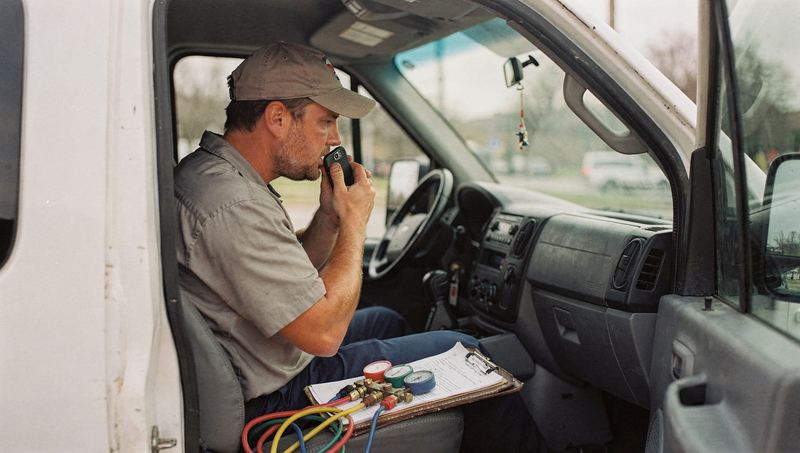
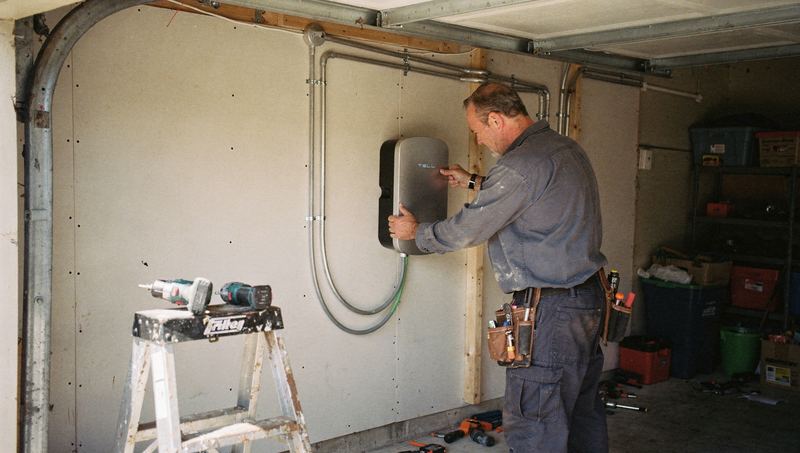
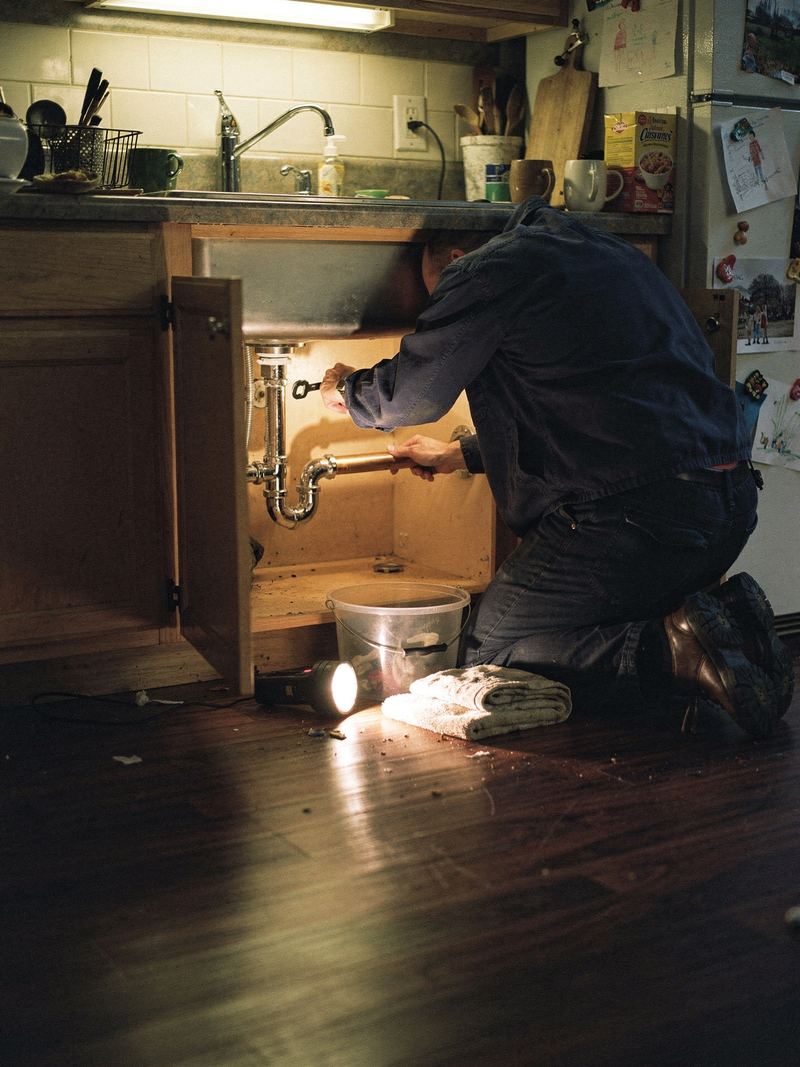
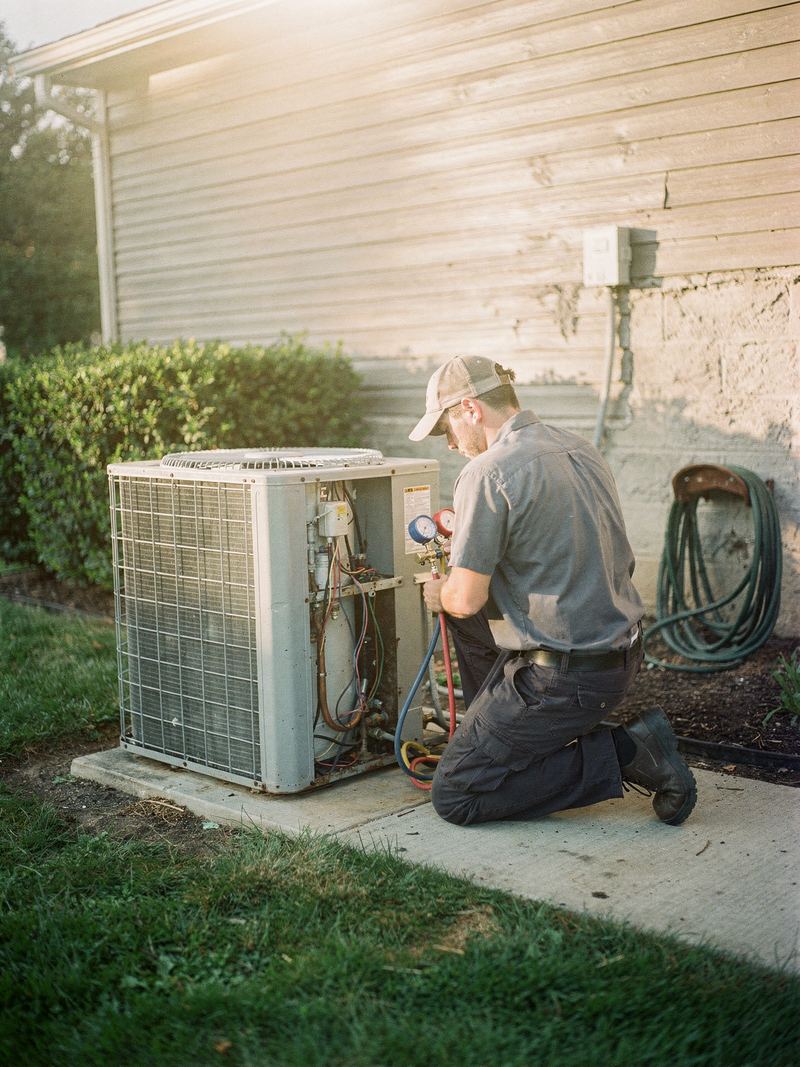
| Urgent | Burst pipe, no heat, no cooling in a heat wave, half the house without power, garage door stuck with the car inside | Stressed and in a hurry | Who answers, how soon they can come, whether they seem competent on the phone |
| Planned | New roof, HVAC system, panel upgrade, patio, exterior paint | Cautious, worried about getting it wrong | Trust, clear options, a written quote they understand, how the visit felt |
| Recurring | House cleaning, lawn care, pest control, maintenance plans | Looking for someone to stop thinking about | Reliability, easy communication, consistency from visit to visit |
Most businesses do some of all three. Knowing which kind of decision each of your services involves tells you what to put in front of the homeowner.
Step 1: The trigger
The decision starts with a moment. Water on the floor. A strange smell from the furnace. A shingle in the yard after a windy night. A home inspection report that flags the electrical panel. A new baby, a new dog or a new job that means there is no time left to clean.
For urgent jobs, the search starts within minutes, often at a bad time of day. For planned jobs, it can stretch over weeks of reading, asking around and collecting quotes. For recurring work, the trigger is often a life change, and the homeowner is choosing someone they may see every other week for years.
What this means for you: your marketing has to work when you are not there. Your Google profile, your website and your missed-call text are doing the talking at 9 p.m. on a Sunday.
Step 2: Where they look
Homeowners gather names from several places, often at the same time:
- Google search and Google Maps. Searches like "plumber near me" or "AC repair {town}" show a map with a few businesses, then a list of websites and ads.
- People they know. Neighbors, family, coworkers, and neighborhood groups on Nextdoor or Facebook. "Does anyone have a good electrician?" posts get plenty of replies.
- AI assistants and AI search results. Some homeowners now ask a chatbot or read an AI summary at the top of the search page. Those answers are built from what is published about you across the web.
- Lead sites and apps. Sites that match homeowners with contractors, where several companies may get the same request. See lead marketplaces vs your own website for the trade-offs.
- Someone else's choice. Home warranty companies, insurers, landlords and property managers often assign the contractor.
- What they see around town. Trucks, yard signs and door hangers do not always get the first call, but they make your name familiar when it shows up in a search.
What this means for you: consistency matters. Your name, phone number, services and service area should match on your website, Google profile and every listing, so that whatever source a homeowner or an AI tool uses tells the same story.
Step 3: Building a shortlist
Once homeowners have a few names, they narrow them down quickly, often in a minute or two per company. Here is what they tend to look at.
- Reviews, read closely. Not just the star rating. They look at how recent the reviews are, whether they mention the same kind of job, and how the owner replies to the bad ones. A defensive reply can hurt more than the review.
- Photos of real work. Real trucks, real crews and real before-and-after shots feel trustworthy. Obvious stock photos do not.
- A clear fit. Do you do this exact job, in their town? A homeowner with a flickering light may skip a site that only talks about commercial electrical work.
- Signs of legitimacy. A license number, proof of insurance, a physical address or service area, and a real person's name.
- Price signals. Even a starting price, a diagnostic fee or "free estimates" helps a homeowner guess whether you are in their range.
- Availability. "Same-day service" or "24/7" only helps if it is true. Homeowners remember when it is not.
What this means for you: search for your own main service from a phone in your area, then look at your listing next to the other names that come up. Would you pick you?
Step 4: First contact
For urgent jobs, this is often where the decision is made. Many homeowners call down the shortlist until someone answers. If you miss the call and they reach a competitor, you may never know they called.
What they notice on first contact:
- How quickly someone answers or replies
- Whether that person is calm, polite and knows the basics
- Whether texting is an option
- A clear next step: when someone can come, what the visit costs and what happens next
A simple call script covers most of this:
- "Thanks for calling {Business}, this is Sam. Sounds like a leak under the kitchen sink. Is water still coming out right now? OK, the shutoff is usually under the sink or where the main line comes in. We can have someone there between 2 and 4 today. The service call is {fee}, and it goes toward the repair if you go ahead. Can I get the address?"
What this means for you: answer fast, and when you cannot, text back automatically so the homeowner knows a real business is on it. For homeowners who would rather not call at all, online booking gives them another way in.
Step 5: The visit and the quote
For planned jobs, the in-home visit is where trust is won or lost. Homeowners notice the details:
- A clear arrival window and a text when the tech is on the way, ideally with their name
- Arriving on time, or calling ahead when running late
- Respect for the home: shoe covers, drop cloths, cleaning up
- An explanation of the problem in plain language, ideally with photos of what the tech found
- Options, not a single take-it-or-leave-it price
- A written quote that shows what is included, the warranty and the timeline
- No pressure to decide on the spot
What this means for you: the quote is part of your marketing. A clear, itemized quote with good, better and best options is easier to say yes to than a number scribbled on a business card. See how option pricing works.
Step 6: Comparing quotes
For bigger jobs, homeowners often get more than one quote. They rarely compare on price alone, because the quotes rarely describe the same job. What they compare in practice:
- Whether they understand what each company will actually do
- What is included, and what might cost extra later
- The warranty on parts and on labor, in writing
- How long the job will take and when it can start
- Payment terms and whether financing is available
- How each company made them feel
A short, helpful follow-up a few days after the quote often makes the difference, because the homeowner is still deciding. "Any questions about the estimate?" is enough.
The worries behind the decision, trade by trade
Under all of these steps sits a worry the homeowner may never say out loud. Address it directly on your website, on the phone and in the quote, and you remove a reason to pick someone else.
- Plumbing: "Will this turn into a huge bill, and will they wreck my floors?" Explain your service fee up front, and show how you protect the home.
- HVAC: "Are they going to talk me into a new system I don't need?" Show repair and replace options side by side, with the reasoning.
- Electrical: "Is this safe, and is it being done to code?" Mention permits and inspections plainly, and show your license number.
- Roofing: "Is this a storm chaser who'll take a deposit and vanish?" A local address, a history of work in the area and a written workmanship warranty help.
- Landscaping: "Will they actually show up every week?" Talk about your route days and how you communicate schedule changes.
- Cleaning: "Can I trust these people in my home, with my pets and my things?" Explain how you hire, whether the same team comes each time and how keys and entry codes are handled.
Step 7: After the job
The decision does not end at the invoice. After the job, the homeowner decides whether to leave a review, whether to recommend you, and whether to call you again next time. A final walkthrough, a clean worksite, a clear invoice and a thank-you message all feed that decision. So does a reminder when the next service is due. Asking every customer for a review, not only the happy ones, keeps your reviews honest and believable; see how to ask for reviews honestly.
What has changed
Some things have not changed at all. Homeowners still want someone trustworthy who shows up and does the job right. What has shifted is how they check and what they expect along the way:
- More research before the first call, even for fairly small jobs
- Reviews read in detail, and often summarized for them by search tools
- An expectation that texting is possible
- More interest in booking online, especially outside business hours
- More comfort with a price range before anyone visits
- Updates during the job, like the on-the-way texts people now get from delivery services
Check yourself the way a homeowner would
Set aside 20 minutes and go through this list.
If you want an outside view, Zome's free AI report looks at your Google profile, website and reviews the way a homeowner would, compares you with the businesses around you and shows what to fix first.