









Contents
- 1. Search is turning into answers
- 2. Customers expect to text
- 3. Booking without a phone call
- 4. Prices up front, or at least a range
- 5. Memberships over one-off visits
- 6. Electrification and home energy work
- 7. The HVAC refrigerant change
- 8. Reviews under a brighter light
- 9. Hiring is still the constraint
- 10. Bigger competitors in local markets
- 11. Homes built for staying and for weather
- 12. Smart devices that call for help
- 13. Paying by phone, and financing at the table
- What to do with all this
Trend articles are usually full of forecasts and percentages that nobody can check. This one is not. Instead, it looks at shifts you can already see in how homeowners search, book and pay, and in the work itself. None of them require you to chase every new thing. For each one, there is a practical first move you can make this season.
1. Search is turning into answers
For years, a search for "furnace repair near me" gave a list of links and a map. Now homeowners increasingly get an answer: an AI summary at the top of Google, or a recommendation from a chatbot they asked directly. Those answers are built from what is published about you across the web: your website, your Google Business Profile, your reviews and your listings on other sites.
The basics matter more, not less. An AI tool cannot recommend you for water heater installs in a town if nothing online says you do water heater installs in that town. Vague websites and half-finished profiles give it little to work with.
First move: Make sure every service you offer has its own clear page that answers the questions homeowners ask, and that your name, phone number, services and service area match everywhere you are listed. See AI for home service businesses for what is real and what is hype.
2. Customers expect to text
Many homeowners would rather text than talk, especially younger ones and anyone at work when the problem comes up. They expect to send a photo of the leaking valve, get a quick reply, and receive a heads-up when the tech is on the way. A voicemail-only business feels hard to reach by comparison.
First move: Make your main number textable, or add a text option on your website, and set up an automatic text reply when a call is missed. Keep marketing texts permission-based; our guide to text message marketing covers the rules.
3. Booking without a phone call
People now book haircuts, dentists and car services online, and they increasingly expect to do the same for a drain cleaning or an AC tune-up. That is especially true after hours, when your office is closed but the homeowner finally has time to deal with it.
Online booking does not have to mean handing your calendar to strangers. A request-based flow, where the customer picks a service and a preferred window and you confirm, keeps you in control.
First move: Choose two or three routine, predictable jobs and make them bookable online. Our step-by-step guide to adding online booking to your website shows how.
4. Prices up front, or at least a range
Homeowners are used to seeing prices before they buy almost anything. In home services, "call for a quote" still dominates, and it frustrates people who just want to know if you are in their range. Showing a starting price, a diagnostic fee or a typical range for common jobs filters out people who were never going to book, and the ones who do call already know roughly what to expect.
First move: Publish your service call or diagnostic fee and a "from" price for a handful of jobs you can price confidently, such as a standard tune-up or a basic drain clearing. Make sure your job costing supports those prices first.
5. Memberships over one-off visits
Maintenance plans are not new in HVAC, but the idea is spreading across trades: plumbing inspections, electrical safety checks, quarterly pest control, recurring cleaning, lawn care programs and gutter plans. Homeowners like not having to remember. Owners like the steadier work in slow seasons and the relationship that comes with regular visits.
First move: Design one simple plan around work you already do, with a clear list of what is included and a fair price. Our guide to maintenance membership programs walks through the details.
6. Electrification and home energy work
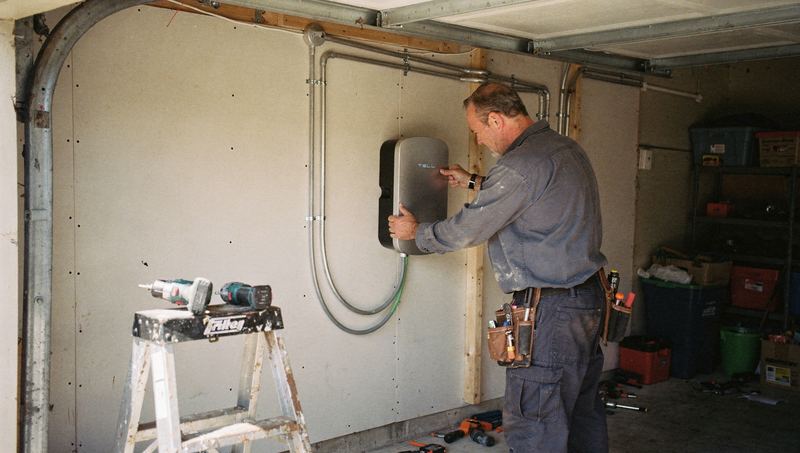
Heat pumps, EV chargers, induction cooking, battery storage and backup generators are all changing what homeowners ask for. Much of it runs through the electrical panel, which is why panel upgrades and load calculations come up more often. For electricians and HVAC companies, this is a real shift in the mix of work.
Incentives are part of the story, and they move. Federal tax credits for home energy upgrades have changed in recent years, and state and utility rebates vary a lot by area.
First move: If you do this work, build clear pages for it and train your team to explain it simply. Before you mention any rebate or tax credit in your marketing, check what is current in your area, and tell customers to confirm their eligibility with their tax preparer.
7. The HVAC refrigerant change
New residential air conditioners and heat pumps are moving away from R-410A to lower global-warming refrigerants, mostly A2L types such as R-454B and R-32, under EPA rules. A2L refrigerants are mildly flammable, which brings new handling practices, tools and training for technicians.
Homeowners will have questions: "Can my current system still be repaired?" "Should I replace now or wait?" Clear, calm answers build trust. Scary sales pitches do not.
First move: Make sure your techs are trained on A2L equipment, check the current rules with your distributor, and write a short FAQ for your website that explains the change in plain English.
8. Reviews under a brighter light
Reviews still carry enormous weight, and they are being policed more closely. In 2024 the Federal Trade Commission finalized a rule that bans things like fake reviews, paying for reviews that must be positive, and using threats to get bad reviews removed. Google also removes reviews that break its policies and can restrict profiles that break them repeatedly.
The safest strategy is also the best one: ask every customer for an honest review, make it easy, and reply to everything.
First move: Build review requests into your end-of-job routine. See how to ask for reviews honestly.
9. Hiring is still the constraint
Ask almost any owner what limits their growth and the answer is people. Finding, training and keeping good technicians remains hard across the trades. That has knock-on effects: owners are more careful about which jobs they take, more interested in tools that save tech time, and more focused on keeping good people.
First move: Protect your techs' time. Get job details, photos and access notes before the visit, cut unnecessary callbacks, and look at which admin tasks can come off their plate. Our guide to hiring technicians covers the people side.
10. Bigger competitors in local markets
Investment firms have been buying and combining HVAC, plumbing, electrical and pest control companies for several years. In many towns, the company down the road may now be part of a larger group with bigger marketing budgets and more back-office support.
Independent owners still have real advantages: local reputation, the owner's name on the truck, flexibility and personal service. But those advantages only count if homeowners can see them online.
First move: Put your local story on your website and Google profile: who you are, how long you have served the area and what you stand for. Then make sure you respond as fast as a larger competitor would.
11. Homes built for staying and for weather
Two related shifts are showing up in service requests. First, many homeowners plan to stay in their homes as they get older. That brings requests for grab bars, walk-in showers, better lighting, wider doorways and easier-to-use fixtures.
Second, homeowners are paying more attention to weather. Storm damage, power outages, heavy rain and heat waves lead to questions about backup power, surge protection, sump pumps and battery backups, drainage, roof resilience and water-wise landscaping.
First move: Add the resilience and accessibility work you already do to your service pages, and time your emails to the season, such as sump pump checks before spring rain or generator checks before storm season.
12. Smart devices that call for help
Smart thermostats, water leak sensors, automatic water shutoff valves, smart garage door openers and connected smoke detectors are showing up in more homes. Many of them send the homeowner an alert when something looks wrong: a sudden temperature drop, water under the washing machine, a door that will not close.
That alert is a new kind of trigger. The homeowner gets a notification on their phone and immediately needs someone to call. The company that installed the device, and left its number where the homeowner can find it, is well placed to be that call.
First move: If you install these devices, leave your contact details in the homeowner's app or on a sticker at the equipment where the device allows it, and add them to your service pages. Plumbers can offer leak sensors and shutoff valves as an add-on to water heater and repiping work.
13. Paying by phone, and financing at the table
More homeowners expect to pay the way they pay everywhere else: a link by text, a card on file, a tap on the tech's phone. Paper invoices mailed a week later feel slow, and they slow down your cash too. For bigger jobs, the option to spread payments over time can decide whether a replacement happens this month or next year.
Card fees and surcharging rules are the catch. What you can pass on to customers depends on your state and the card networks' rules, and those change.
First move: Offer a text-to-pay link on every invoice, and if you sell larger jobs, look at a financing option you can explain simply. Our guides to payment apps for contractors and credit card processing fees cover the choices. Check the current rules before adding any surcharge.
What to do with all this
You do not need to act on every trend at once. Pick the two that touch your trade most, and make one change for each this season. Then revisit the list in six months.
| Trend | Trades most affected | Start with |
|---|---|---|
| AI answers | All | Clear service pages and consistent listings |
| Texting | All | Textable number and missed-call text back |
| Online booking | HVAC, plumbing, cleaning, pest control, landscaping | Two or three bookable routine jobs |
| Upfront pricing | All | Published service fee and a few "from" prices |
| Memberships | HVAC, plumbing, pest control, cleaning, landscaping | One simple plan |
| Electrification | Electrical, HVAC | Clear pages and current incentive info |
| Refrigerant change | HVAC | Tech training and a homeowner FAQ |
| Review rules | All | Ask every customer, reply to every review |
| Smart devices | Plumbing, HVAC, electrical, garage doors | Offer sensors as add-ons and leave your contact details |
| Phone payments | All | Text-to-pay on every invoice |
If you want to see how your business shows up to homeowners and AI tools today, Zome's free AI report checks your Google profile, website and reviews and points out what to fix first.