












Contents
Plenty of people start a trade business because they're good at the work and tired of earning money for someone else. That's a strong reason. But the day you open, you have two jobs: doing the work, and running a business that finds customers, prices jobs, collects payment, pays taxes and stays legal. This guide covers the second job: honest questions to ask yourself, the setup steps, the categories of cost to plan for and how to find your first customers.
Honest questions before you start
Answer these on paper, not in your head:
- Do you have the license and experience your trade requires? Many trades need a state or local license, and some require documented hours under a licensed contractor before you can hold your own. If you don't qualify yet, find out the path and how long it takes.
- How long can you go without a steady paycheck? Add up your household's monthly expenses and work out how many months your savings could cover. That's your personal runway.
- Will you do the work that isn't the trade? Answering calls at dinner, chasing unpaid invoices, bookkeeping on Sunday night. If not, who will, and how will you pay them?
- Does your household support it? The early months usually mean long hours and uneven income.
- Are you bound by a non-compete or non-solicitation agreement? Many employers use them. Talk to an attorney before you contact your old employer's customers.
Choose your business model
"Home service business" covers very different ways of making money. Pick the one that fits your skills, cash and temperament:
| Model | Examples | How it works | What it demands |
|---|---|---|---|
| Service and repair | Plumbing, HVAC, electrical, garage doors | Many smaller tickets, fast response | Answering the phone, a stocked truck, diagnostic skill |
| Replacement and install | HVAC systems, water heaters, panels, roofs | Fewer, larger jobs | A sales process, cash for equipment, financing options for customers |
| Recurring service | Cleaning, lawn care, pest control, pools | Scheduled visits on routes | Tight routes, retention, reliable staff |
| Projects | Painting, remodels, design-build landscaping | Bid, sign, schedule, build | Accurate estimating, deposits, project management |
| Subcontracting | New construction for builders, commercial work for general contractors | Steady volume from a few customers | Patience with payment terms, reliance on a few relationships |
Many businesses mix models, like a plumber who runs service calls and sells water heater replacements. Still, decide what you'll lead with. It shapes your truck, your tools, your marketing and how much cash you need.
Set up the business properly
Work through these in order. Details vary by state, city and trade, so treat this as a list of questions to answer, not legal advice.
- Licensing. Contact your state licensing board and each city and county you'll work in. Some trades need a state contractor license, some need local registration, and some work, like pesticide application for pest control and certain lawn treatments, needs its own applicator license. Your city or county may also require a general business license.
- Business structure. A sole proprietorship, an LLC and a corporation have different liability and tax consequences. Ask an accountant and an attorney which fits your situation.
- Registration and tax IDs. Register your business name or "doing business as" name, get an Employer Identification Number (EIN) from the IRS, and register with your state tax agency. Ask whether sales tax applies to any of your services or materials, because it varies by state.
- A separate bank account and card. From the first day. Mixing personal and business money makes bookkeeping, taxes and any loan application harder.
- Insurance. Talk to an agent who insures contractors in your trade. Common coverages include general liability, commercial auto, tools and equipment coverage, and workers' compensation once you have employees, with rules that vary by state. Some licenses and customers also require a surety bond.
- Permits. Learn how permits and inspections work in each town you serve before a job needs one.
- Paperwork. Create an estimate template, written terms and conditions, a warranty policy and a change-order form. Some construction trades have lien notice rules, and some sales made in a customer's home come with a legal cancellation period. Ask your attorney what applies to you.
- Bookkeeping. Choose accounting software, set up your categories and find an accountant before your first tax deadline, not after it. See bookkeeping basics for contractors.
The categories of cost to plan for
Every trade and every town is different, so there's no honest single number for what it takes to start. What you can do is list every category, get real quotes and add them up yourself. Here's what to include.
One-time startup costs
- Licensing and legal: exam and application fees, business registration, attorney time for your structure and contracts.
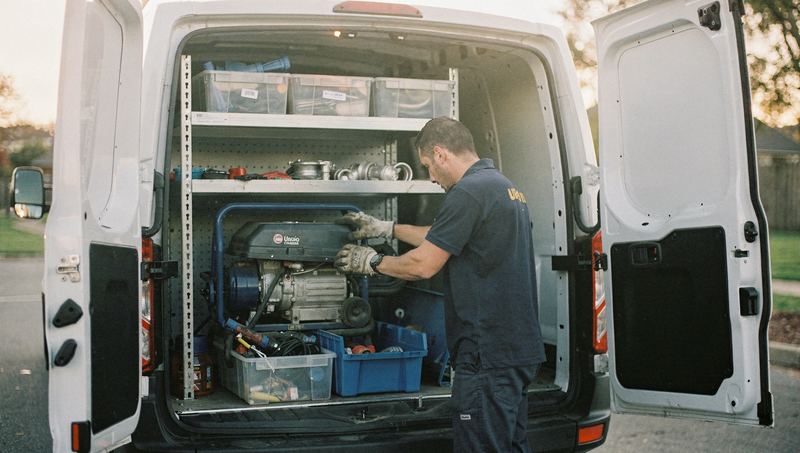
- Vehicle: buying, leasing or converting one you own, plus upfit like shelving, ladder racks and bins.
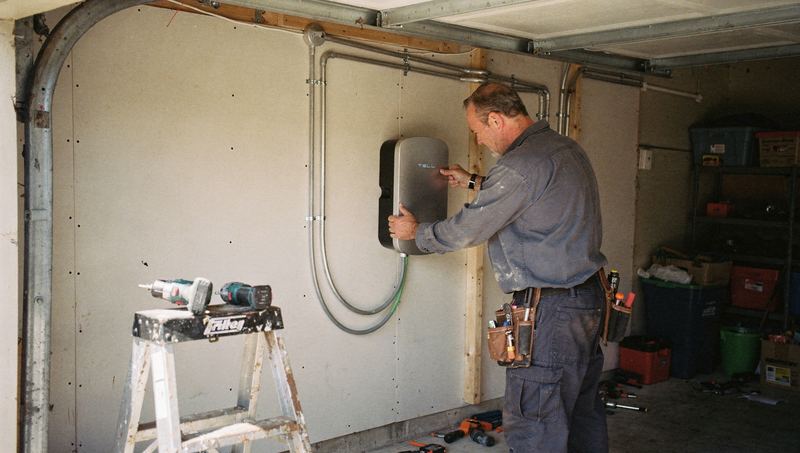
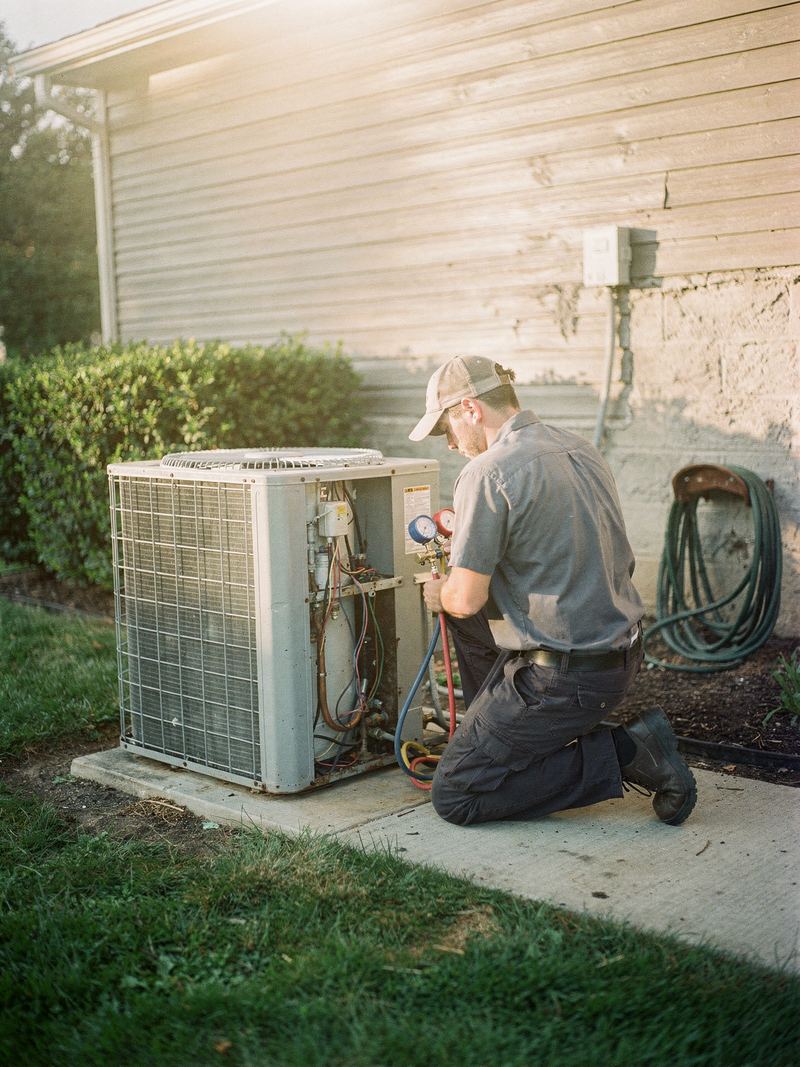
- Tools and equipment: this varies most by trade. An HVAC tech needs gauges, a recovery machine and a vacuum pump. A plumber needs a drain machine, a camera and a press tool. A roofer needs ladders, fall protection and a way to haul debris. A landscaper needs mowers, trimmers, blowers and a trailer. A cleaning company needs vacuums, supplies and a caddy for each team.
- Opening inventory: the parts and materials you'll carry on the truck.
- Branding: name, logo, truck lettering and shirts.
- Online setup: website, domain, business email and phone number.
- Deposits: first insurance payments, lease deposits and software setup fees.
Monthly fixed costs
These arrive whether or not you work: insurance premiums, the vehicle payment, baseline fuel and maintenance, phone, software subscriptions, marketing, accounting help, shop or storage rent, loan payments and, most important, your own pay.
Costs that come with every job
Materials and parts, disposal and dump fees, permit fees, helper labor, subcontractors and the card processing fee on each payment.
The costs new owners forget
- Taxes. Nobody withholds for you anymore. Ask your accountant how much to set aside and when estimated payments are due.
- Unpaid time. Estimates, driving, ordering parts, returning calls and invoicing all take time you can't bill, so your prices have to cover it.
- Callbacks. Going back to fix or check a job costs time, fuel and sometimes parts.
- Tool replacement and vehicle repairs. Things break, wear out and get stolen.
- Slow-paying customers. Especially on larger jobs and commercial work.
- Benefits you used to get. Health insurance, retirement savings and paid time off are now yours to fund.
- Renewals. License renewals, continuing education and certifications.
Working capital and runway
Working capital is the cash that covers the gap between paying for materials and getting paid. It matters most for installs, projects and commercial work on payment terms. Then work out your business runway:
Months of runway = cash set aside for the business ÷ monthly fixed costs, including your pay
That formula is deliberately cautious, because it assumes a slow start. If the answer makes you nervous, that's useful information. Start smaller, keep part-time income longer or arrange financing before you need it.
Skills that matter beyond the trade
Being the best technician in town isn't enough on its own. Owners who last learn, or hire for, the skills around the work:
- Pricing that covers every cost and your pay. See how to calculate your billable hourly rate.
- Answering and selling: picking up the phone, explaining options clearly and following up on estimates.
- Scheduling, so you aren't crossing town three times a day.
- Collecting, at the job rather than three weeks later.
- Handling complaints calmly and fixing them fast.
- Hiring and training, when the time comes.
Finding your first customers
You don't need a big marketing budget for the first calls, but you do need to be easy to find and easy to trust:
- Set up and verify your Google Business Profile with your real name, service area, hours, services and photos of your work.
- Build a simple website with your phone number at the top and a page for each main service. See how to build a contractor website that books jobs.
- Ask every early customer for a review. When you're new, each honest review matters.
- Tell everyone. Friends, neighbors, your supply house, realtors, property managers and other trades. A plumber and an electrician who trust each other can send each other a lot of work.
- Join local groups on Nextdoor and Facebook, follow their rules, and help people instead of spamming them.
- Use lead sites carefully. They can fill a slow calendar early, but understand how they charge first. See where paid leads come from.
Don't spend heavily on advertising until calls are answered reliably and your Google profile has some reviews. Otherwise you're paying to send people to a business that isn't ready for them.
Warning signs you're not ready yet
- You don't know what you'll charge for your three most common jobs.
- You haven't priced insurance.
- You're counting on one former customer or one builder for most of your work.
- You don't know how calls will be answered while you're on a roof or under a house.
- You have no cash cushion for a slow first few months.
None of these means don't do it. They mean do that homework first. Why home service businesses fail covers the problems that tend to show up later, so you can watch for them from the start.
To put all of this on paper, read how to write a business plan for a home service company, and see the example playbook for a new service business launching from zero.
Once your profile and website are live, Zome's free AI report checks them the way a homeowner would and shows you what to fix first.