




Contents
"CRM" sounds like something for sales teams in glass offices. For a plumber, roofer or cleaning company it means something simpler: a reliable memory. Who called, what they needed, what you quoted, what you did last time, and who needs a call back this week.
You may already have one inside your scheduling software without calling it that. This guide explains what a CRM does for a home service business, how to tell whether you need one, and how to set it up so it gets used.
What a CRM actually does
CRM stands for customer relationship management. In plain terms, it does four jobs:
- Keeps one record per customer with contact details, properties, history and notes.
- Tracks every lead and estimate from first contact to won or lost.
- Reminds you who to contact next so estimates, callbacks and maintenance visits don't slip.
- Groups customers for follow-up, like everyone whose furnace was installed more than ten years ago, or everyone who booked a spring cleanup last year.
That last job is the easiest to overlook, and it's where repeat and referral work starts. Past customers already know your work, which makes them some of the easiest people to earn the next job from, as long as you remember them.
Signs you need one
If most of these sound familiar, a CRM will help. If you're a solo operator doing mostly referral work with a handful of jobs a week, a well-kept spreadsheet may be enough for now.
A spreadsheet that works until it doesn't
If you're not ready for software, start with one shared sheet and these columns: name, phone, email, service address, how they found you, date of first contact, job type, estimate amount, status (new, quoted, won, lost), next follow-up date and notes. Sort by next follow-up date every morning and work down the list.
You've outgrown the sheet when more than one person needs to update it during the day, or when follow-ups get missed because the sheet is out of date.
The four kinds of CRM you'll run into
| Type | What it is | Best fit | Watch out for |
|---|---|---|---|
| CRM inside field service software | Customer records, estimates and job history in the tool you schedule and invoice with | Most trade businesses with a dispatch workflow | Sales pipeline tools may be basic |
| Standalone general CRM | A general-purpose contact and pipeline tool | Long sales cycles and a dedicated salesperson | Knows nothing about jobs, techs or invoices unless connected |
| Sales CRM for big-ticket work | Pipeline tools built around appointments, proposals and follow-up | Roofing, HVAC replacement, remodels, design-build landscaping | One more system to keep in sync with scheduling |
| Marketing platform with a contact list | Email and text tools with contacts | Seasonal campaigns and reminders | Not a real record of jobs or estimates |
For most trades, the best first move is to use the CRM inside your field service software properly before buying a second tool. Two systems with two customer lists usually means neither list is right. If you're choosing software now, our guide to choosing field service software covers what to look for.
What to track, and what to skip
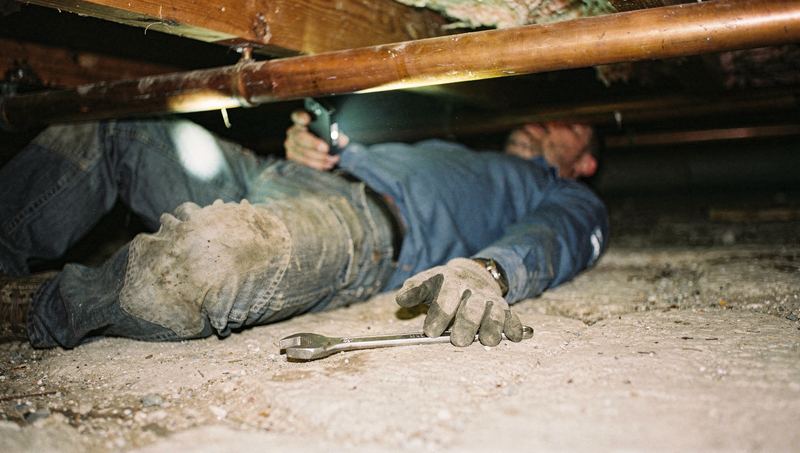
Tracking too much is almost as bad as tracking nothing. A tech in a crawl space won't fill in 20 fields. Start with the fields that drive a decision.
Customer: name, mobile, email, preferred contact method, how they found you, and whether they've agreed to marketing messages.
Property: service address, access notes (gate code, lockbox, dog in the yard), and property type (owner-occupied, rental, commercial).
Separating the customer from the property matters in home services. A landlord may own six rentals. A property manager may call about 40 units. A homeowner sells, a new owner moves in, and the equipment history belongs to the house, not the person who left.
Equipment or details worth keeping, by trade:
- HVAC: system type, make, model, serial, install date, filter size
- Plumbing: water heater type and install year, water softener, backflow device
- Electrical: panel make and amperage, generator, EV charger
- Roofing: roof type and age, last inspection, warranty details
- Landscaping: irrigation zones, lawn size, plant list, gate width for equipment
- Cleaning: rooms, square footage, product preferences, areas to skip
Every job: date, tech, work done, photos, amount, and any follow-up the tech recommended.
Skip anything nobody reads. If a field has been blank on most records for three months, delete it.
Build a simple estimate pipeline
For bigger-ticket trades, the most useful thing a CRM does is stop estimates from going quiet. Set up stages that match how you sell. For a roofer, that might be:
- New lead
- Inspection booked
- Inspection done
- Estimate sent
- Following up
- Won
- Lost, with a reason
For an HVAC replacement it might be: tech recommended replacement, comfort visit booked, options presented, financing applied for (if relevant), won, lost.
Always record a lost reason: price, timing, chose someone else, decided to repair, no response. After a few months those reasons tell you more than most reports. If "no response" is the biggest group, your follow-up is the problem, not your price.
A follow-up rhythm to copy
Here's an example rhythm for a single estimate. Adjust the timing for your trade and job size.
| When | What | Example |
|---|---|---|
| Same day | Send the estimate with a short personal note | "Thanks for having me out today. Your options are attached. I recommended option 2 because of the corrosion we saw on the tank." |
| 2 days later | Text to check it arrived | "Hi, it's Chris from [Business]. Just checking you got the water heater estimate. Any questions I can answer?" |
| 1 week later | Call | Ask what's holding things up: timing, budget, a second quote? |
| 2 weeks later | Final check-in | "Checking whether you'd still like to go ahead. I can hold this price until [date]." |
| After that | Mark as lost, or move to a seasonal list | They may come back when the weather turns. |
Put each step in the CRM as a task with a due date. The rhythm only works if the reminders show up on someone's screen.
Use the history to bring customers back
Once the history is in one place, you can do the follow-up that keeps a business steady through slow months:
- Maintenance reminders. Furnace tune-ups in the fall, AC in the spring, a yearly water heater flush, gutter cleaning after the leaves drop, a pre-season irrigation check.
- Age-based check-ins. Customers with older water heaters or AC systems may want to plan a replacement before it fails. Offer an inspection, not a scare.
- Seasonal lists. Last year's spring cleanup customers, last fall's roof inspection customers, last December's holiday deep clean customers.
- Review and referral requests after completed jobs. See asking for reviews without filtering the truth.
If you run a maintenance plan, the CRM is where it lives. Our guides on maintenance membership programs and customer retention go further.
Before you send marketing texts or emails, make sure each customer has agreed to receive them, and record how and when they agreed. The rules on marketing messages are strict in the US and differ in other countries, so check with your texting provider or a lawyer before you start a campaign.
What a CRM won't fix
A CRM is a tool, not a salesperson. Be honest with yourself about what it can't do:
- It won't answer the phone. If calls go to voicemail during the day, fix that first. Leads you never speak to don't need a pipeline.
- It won't make the follow-up call. It shows you who to call. Someone still has to pick up the phone.
- It won't clean up bad data. If techs skip notes and the office types names three different ways, reports will be wrong.
- It won't fix pricing or quality. If most lost estimates say "price" or customers don't come back, the CRM is telling you something about the business, not the software.
Keep it clean: five house rules
- One customer, one record. Search by phone number before creating a new one.
- Everything goes in the CRM, not in personal phones. Texts from a tech's personal phone are invisible to everyone else.
- Every estimate has a status and a next date. No blanks.
- Every lost estimate has a reason.
- Someone owns it. One person checks weekly for duplicates, stale estimates and missing lead sources.
Questions to ask a CRM vendor
Pricing models and features change often, so confirm current terms in writing before you sign.
The short version
You need a CRM when your business's memory stops fitting in your head. Start with what your field service software already has, track only what drives a decision, give every estimate a next step, and use the history to bring customers back. If leads reach you by phone, text, web form and marketplaces all at once, Zome's lead inbox is designed to put them in one place so none slip through.