

Contents
Every customer you've served has already found you, trusted you enough to let you in and seen how you work. When they need help again, you should be the obvious call. Too often, though, the next time their drain backs up they search Google, and whoever shows up first gets the job. Retention is the work of making sure that doesn't happen. This guide covers what retention looks like in each trade, a simple system to run it and scripts you can start using today.
What retention looks like in your trade
Every trade has natural reasons for customers to come back. Build your retention around them.
| Trade | Reasons to come back | Natural rhythm |
|---|---|---|
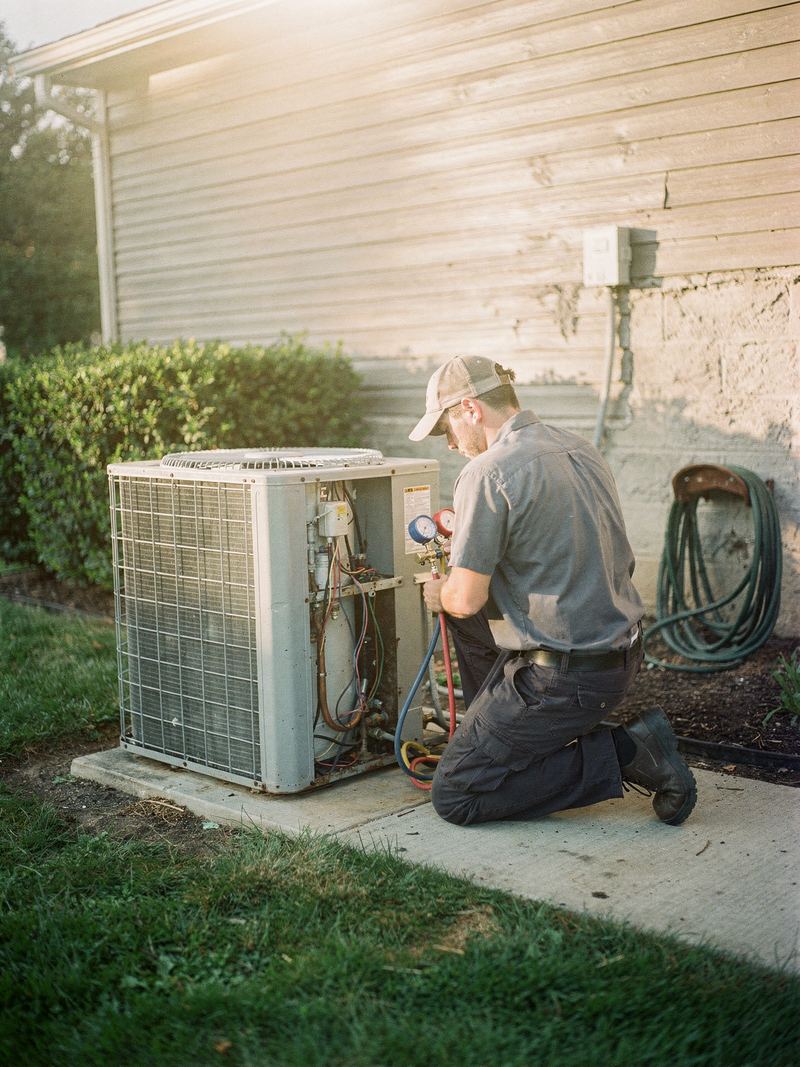
| HVAC | Tune-ups, filters, repairs, eventual replacement | Spring and fall |
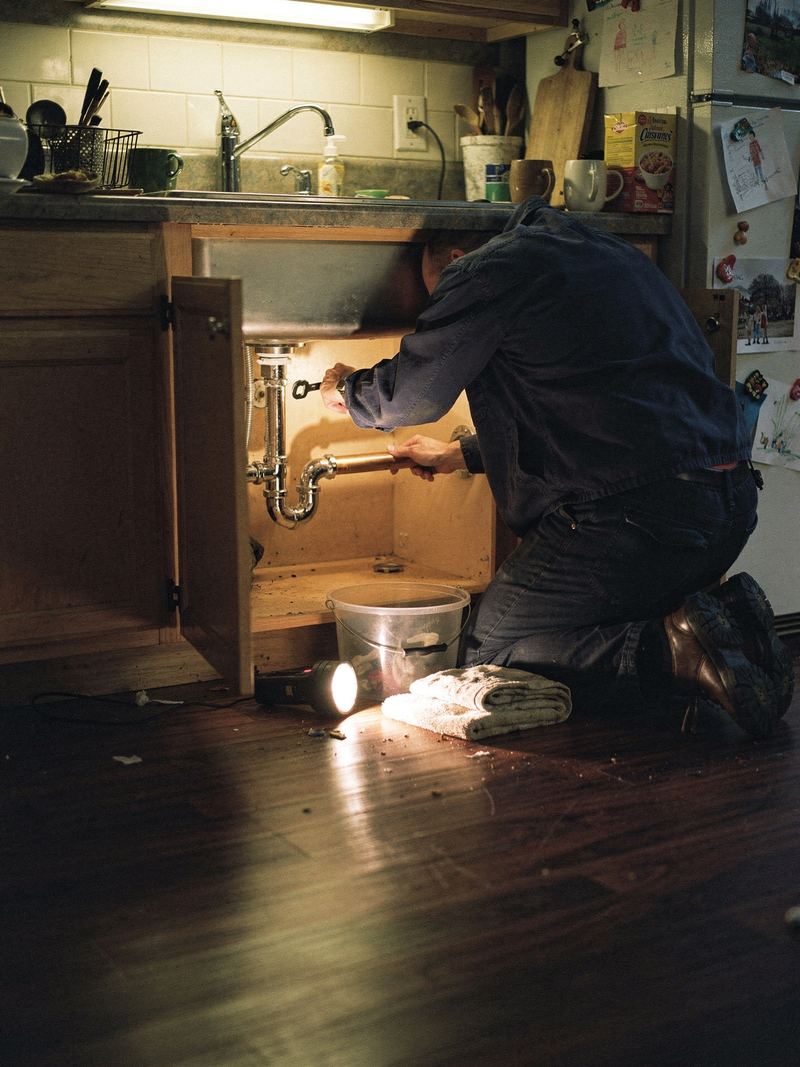
| Plumbing | Water heater flushes, drain maintenance, fixture upgrades, replacements | Yearly, plus when things break |
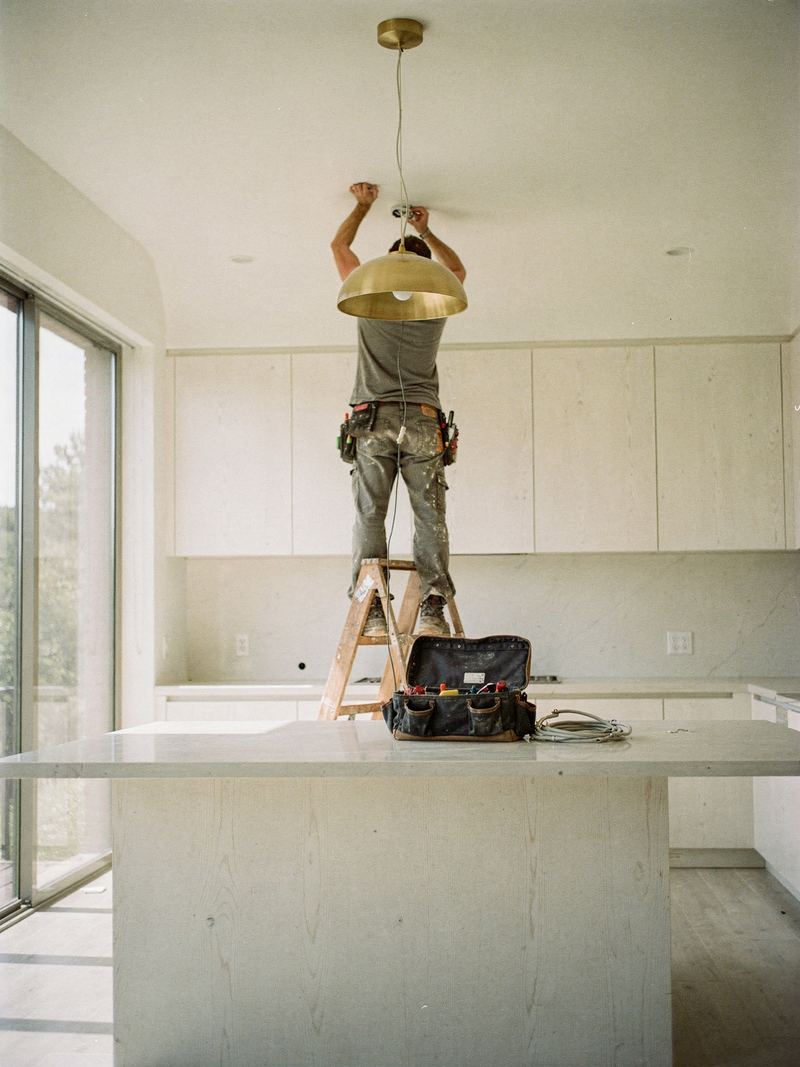
| Electrical | Safety checks, surge protection, generator service, EV chargers, panel upgrades | Yearly or with home projects |
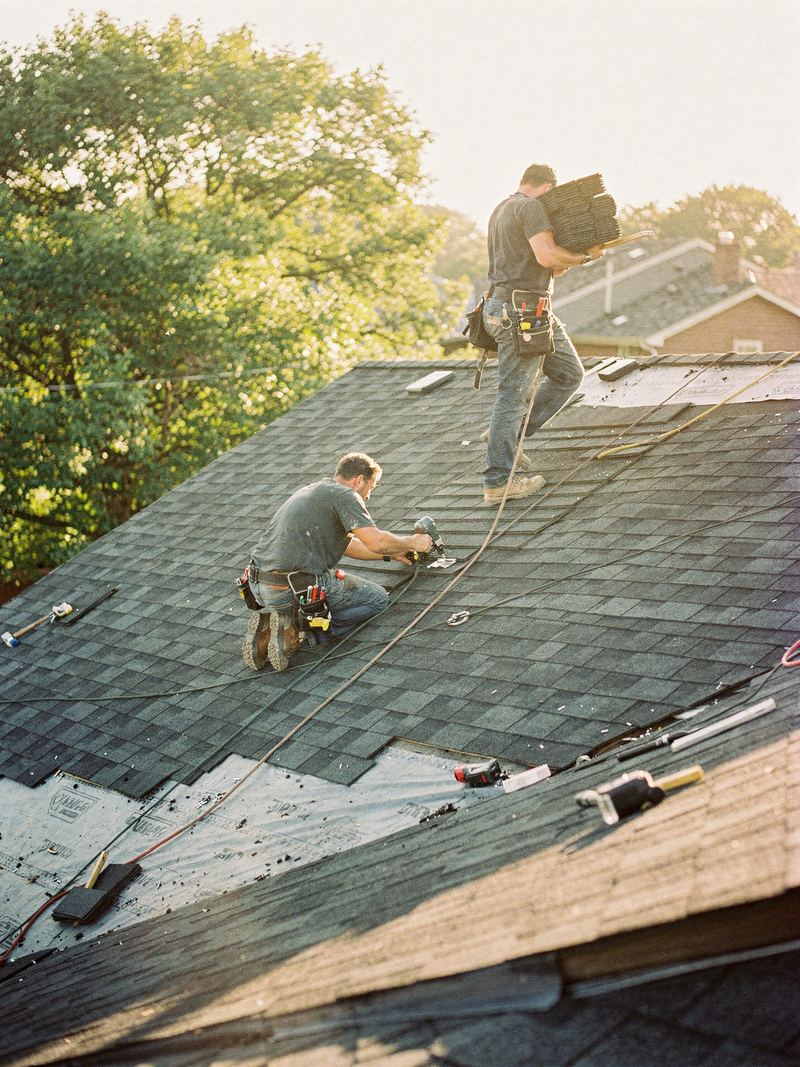
| Roofing | Inspections, gutter cleaning, repairs, storm checks | Yearly and after storms |
| Landscaping | Mowing, cleanups, mulch, aeration, planting | Weekly and seasonal |
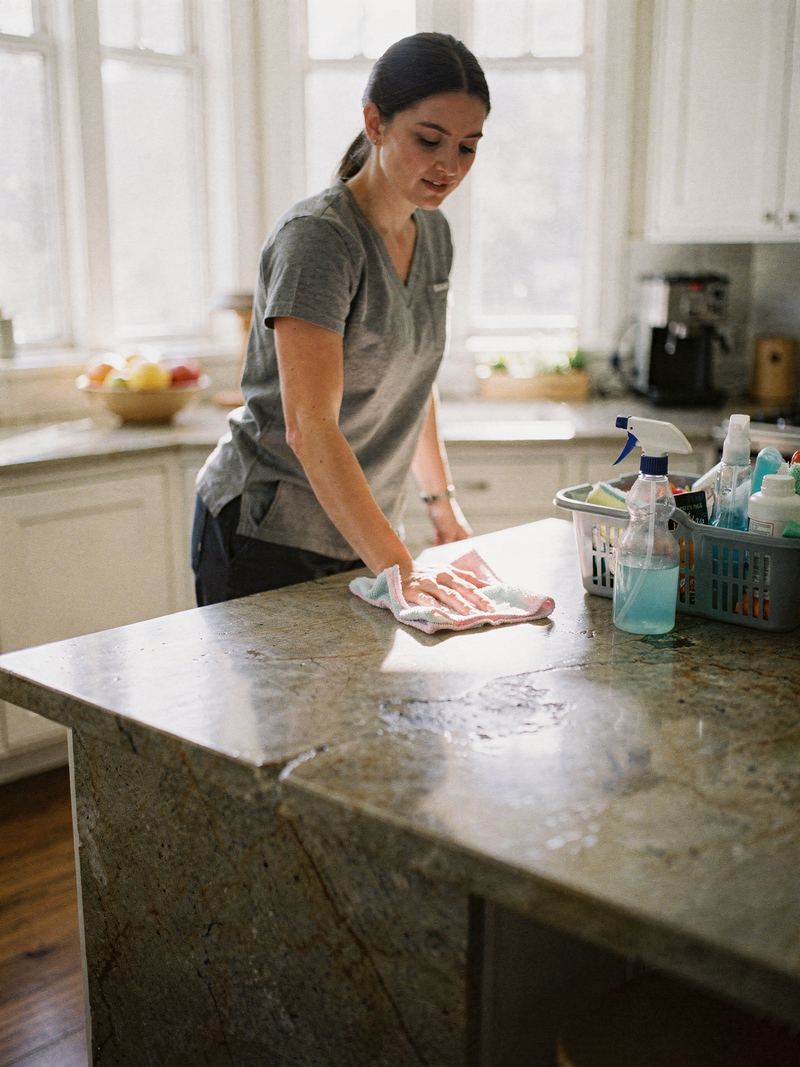
| Cleaning | Recurring cleans, deep cleans, move-outs | Weekly, every other week or monthly |
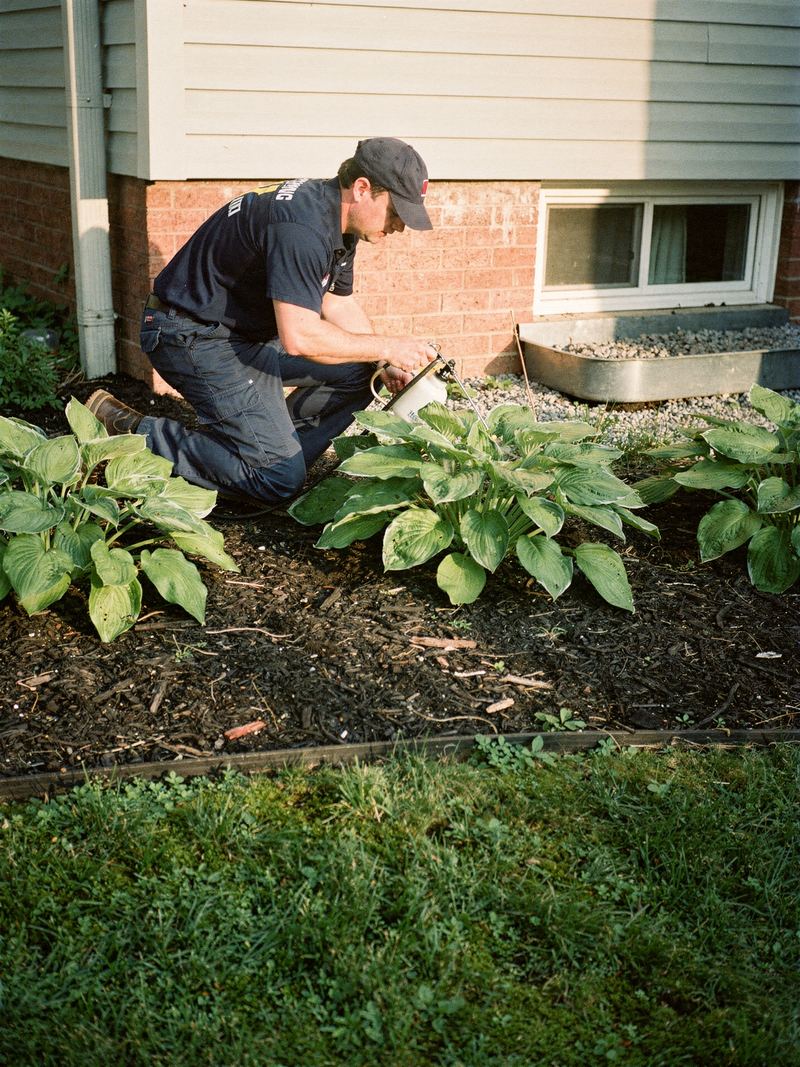
| Pest control | Recurring treatments and inspections | Quarterly or as agreed |
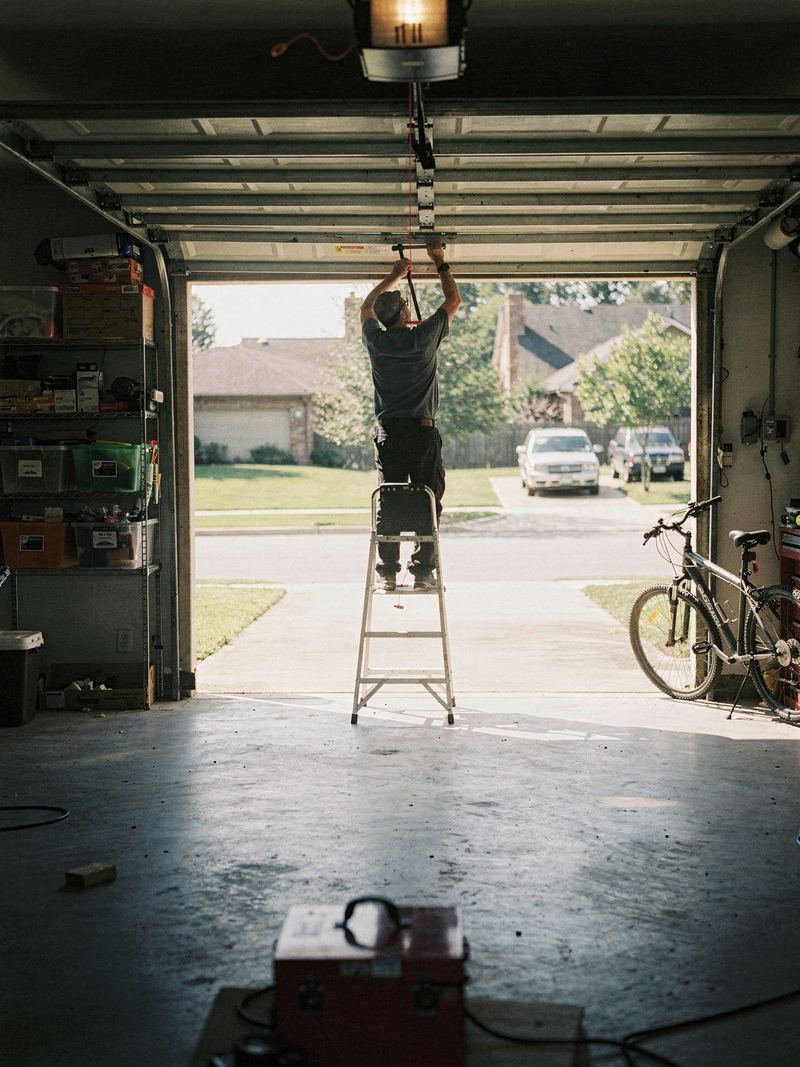
| Garage doors | Tune-ups, springs, openers | Yearly |
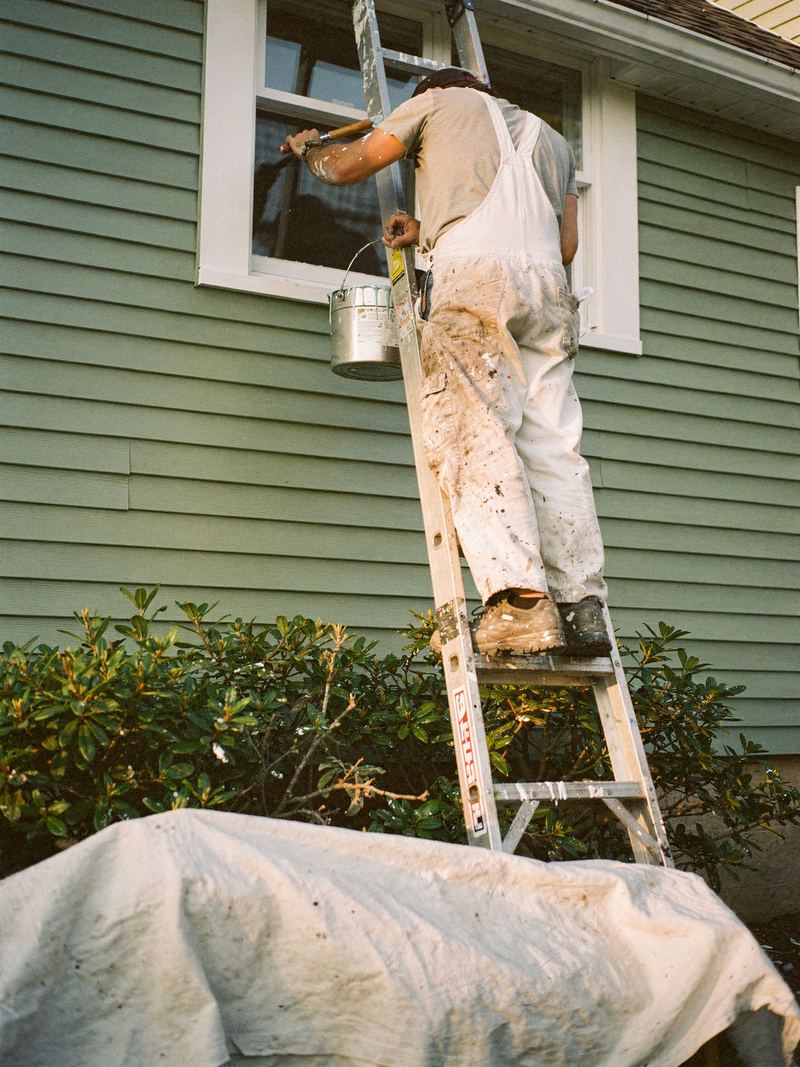
| Painting | Touch-ups, deck staining, exterior refresh | Every few years |
If your trade doesn't have a built-in cycle, create one: a yearly electrical safety check, a spring roof and gutter inspection, a fall "get the house ready for winter" handyman visit.
The six-part retention system
- Make the first visit worth remembering. Arrive on time, protect the home, explain the price before starting and walk the customer through the finished work. Retention starts with the first job, not the first reminder.
- Write everything down. Record equipment make, model and age, what you found, what you recommended but didn't do, photos, and details like the gate code, the dog's name and whether they prefer texts or calls.
- Follow up after the job. A thank-you and a check-in show you care whether the fix worked.
- Remind them before they need you. Use your records to reach out when a tune-up, flush or inspection is due.
- Give them a reason to stay. Maintenance plans, recurring schedules and priority service for existing customers.
- Fix problems fast and win back the ones who drift. A complaint handled well can keep a customer who was ready to leave.
All of this is easier with good software, but it can start with a spreadsheet and a calendar. If you're deciding, see do you need a CRM?
Scripts you can copy
Adjust the wording so it sounds like you, and replace everything in brackets. Before you send marketing texts or emails, make sure you have the customer's permission and honor every opt-out. The rules differ by channel and state, so check with your attorney.
Same-day thank-you text
"Hi [First name], it's [Tech name] from [Business name]. Thanks for having us out today to [clear the kitchen drain]. If anything doesn't seem right, reply to this text and we'll make it right. Your invoice and today's photos are here: [link]."
Check-in call after a bigger job
Call a few days after an install, a major repair or a first recurring clean.
"Hi [First name], it's [Your name] from [Business name]. I'm calling to check on the [new water heater] we put in on [Tuesday]. Is everything working the way you expected? [Listen.] Any questions about the settings or the warranty? [Answer.] Good. We'll send you a reminder when it's due for its first flush."
If they raise a problem, go straight to the complaint steps below.
Review request
Send the same request to every customer after every job, not just the ones you think are happy. Google's policies don't allow selectively asking only satisfied customers, and it misleads the people reading your reviews. See how to ask for reviews honestly.
"Thanks again for choosing [Business name], [First name]. If you have a minute, we'd appreciate an honest review of today's visit: [link]. It helps your neighbors find a company they can trust."
Seasonal reminder texts
HVAC: "Hi [First name], it's [Business name]. Your furnace was last serviced [last October]. We're scheduling fall tune-ups now. Reply with a day that works, or book here: [link]."
Plumbing: "Hi [First name], the water heater we installed in [year] is due for its yearly flush, which clears out sediment that builds up over time. Want us to stop by on [Thursday] while we're in [neighborhood]?"
Landscaping: "Hi [First name], we're scheduling spring cleanups on [your street] the week of [date]. Want us to add you, same as last year?"
Pest control: "Hi [First name], your next quarterly service is coming up on [date]. We'll treat the outside as usual. Anything new we should know about, like ants in the kitchen?"
Roofing, after a storm: "Hi [First name], it's [Business name]. We [replaced your roof] in [year]. After [Tuesday's] storm, we're checking in with past customers. Want us to stop by and look at your shingles and flashing? [There's no charge for past customers.]"
Maintenance plan offer at the kitchen table
"Before I go, one thing that might save you a call like today's. We have a maintenance plan that covers [both tune-ups each year], puts you [at the front of the schedule during heat waves] and [includes a discount on repairs]. Want me to leave the details with you, or set it up now so your [spring] visit is already on the calendar?"
Offer it once, explain it clearly and let them decide. Pushing turns a good customer into a wary one. How to build a maintenance membership program covers what to include and how to price it.
Saving a recurring customer who wants to cancel
For cleaning, lawn care and pest control, ask before you accept a cancellation:
"I'm sorry to hear that, [First name]. Can I ask what's behind it? [Listen without arguing.] Thanks for telling me. Would any of these help: [switching to every other week], [pausing for a month], [a different team], or [us fixing the specific thing you mentioned this week]? If not, I understand, and you're welcome back anytime."
If they still want to cancel, cancel quickly and cleanly. A plan that's hard to leave loses the customer anyway and often earns a bad review on the way out.
Complaint callback
- Listen to the whole story without defending yourself or your tech.
- Apologize for the experience: "I'm sorry. That's not how we want a visit to go."
- Say what you'll do and when: "I'm sending [Tech name] back tomorrow morning, and I'll call you once it's done."
- Do exactly that.
- Follow up a week later to make sure it's still right.
Win-back text for a lapsed customer
"Hi [First name], it's [Your name] at [Business name]. It's been a while since we [serviced your AC], and I wanted to check in. Is everything running well? If you'd like a tune-up before summer, reply here and I'll find you a time."
Referral ask
"If you know anyone who needs a [plumber], we'd be glad to help them the same way. Just pass along our number and tell them to mention your name."
If you reward referrals, say exactly what the reward is and when it's given, and keep the promise. Whether or not you offer a reward, send a handwritten thank-you card every time someone sends you work.
Measure it
Track a few numbers each quarter:
- Repeat customer rate = customers this year who had used you before ÷ all customers this year
- Plan renewal rate = members who renewed ÷ members who came up for renewal
- Lapsed customers = customers whose last visit is well past their normal rhythm, like an HVAC customer you haven't seen in 18 months
- Share of revenue from existing customers = revenue from repeat customers ÷ total revenue
Watch the trend rather than any single number. If repeat work is climbing, you're spending less to fill the calendar. If it's falling, look at the first visit, your follow-up and your reminders, in that order.
Mistakes that push customers away
- Only contacting customers when you want to sell something.
- Sending the same message to everyone, regardless of what you did for them.
- Messaging too often. One reminder when something is due beats a weekly promotion.
- Sending a different cleaner or crew every visit when customers want familiar faces.
- Making plans hard to cancel.
- Not recording equipment details, so every visit starts from scratch.
For the channels themselves, see text message marketing done right and email marketing for home service businesses.
If a maintenance plan is the missing piece, Zome's maintenance plans tool is built to help you offer and explain a plan on your website and remind members when visits are due.