





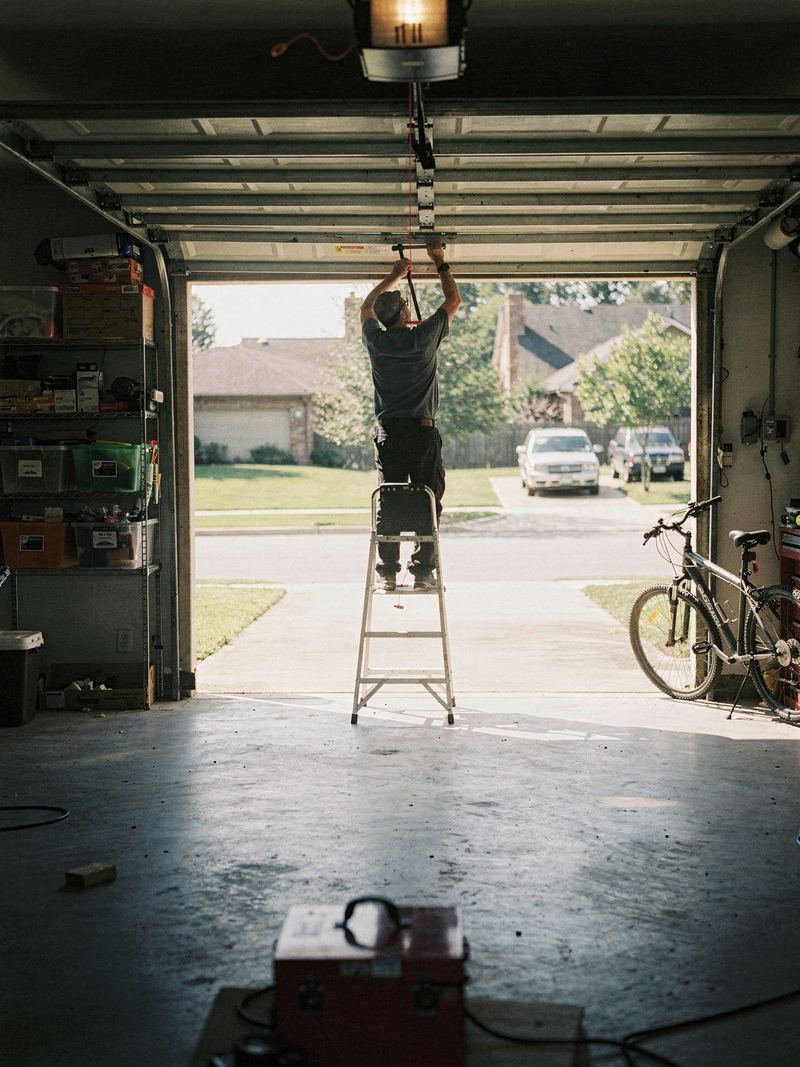

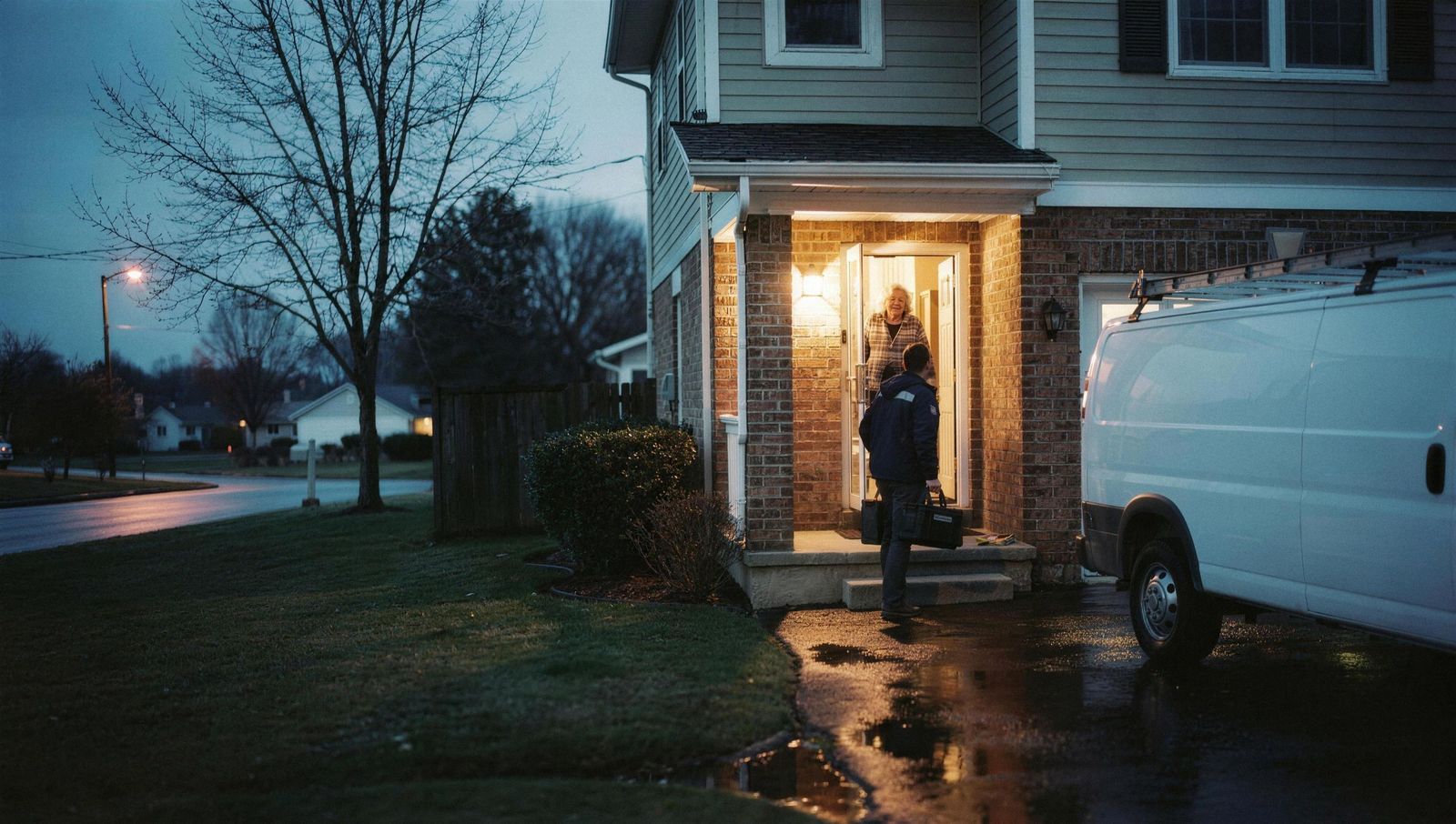
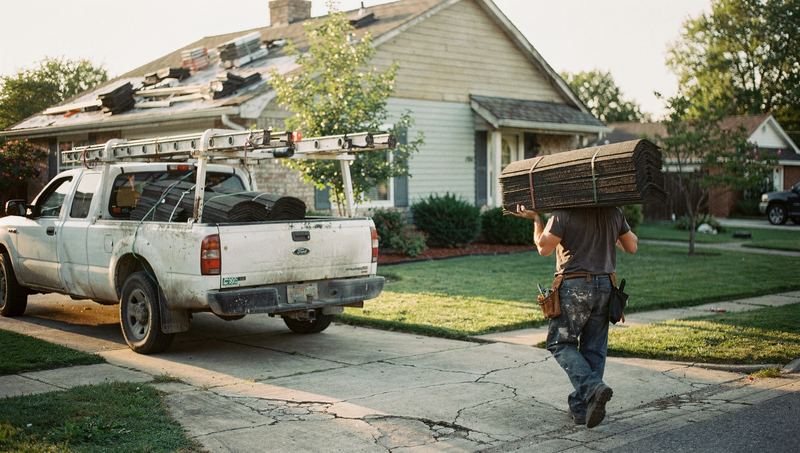

Contents
- What social media does for a trade business, and what it doesn't
- Pick two platforms, not six
- Set up your profiles once, properly
- What to post: a five-post rotation
- A routine that fits in 30 minutes a week
- Photo and privacy rules
- Replying to comments, messages and recommendations
- Paid posts: boost or skip?
- How to tell if it's working
- A four-week starter calendar
Most contractors treat social media one of two ways. They ignore it, or they post in bursts for a month and then go quiet for a year. Neither helps much. Done steadily, social media does a specific job for a trade business: it shows people in your area what your work looks like and who will show up at their door. This guide covers where to post, what to post and how to keep it going when you're busy on jobs.
What social media does for a trade business, and what it doesn't
Be clear about the job before you spend time on it. For most home service businesses, social media is good at four things:
- Proof. Plenty of homeowners find you on Google, then check your Facebook or Instagram before they call. A page with recent jobs and real replies says you're active and careful. A page last updated two years ago raises a question you don't want them asking.
- Familiarity. When someone has seen your truck, your crew and your work in their feed for months, you're the name that comes to mind when the furnace starts making a noise.
- Recommendations. Local groups and neighborhood apps are full of "Anyone know a good electrician?" posts. A page full of real work makes it easy for a happy customer to tag you.
- Recruiting. Good techs look at your page before they apply. They want to see a crew that looks organized and proud of its work.
What it usually doesn't do is bring in the 2 a.m. burst pipe or the no-heat call in January. People with an emergency search; they don't scroll. Social media supports your Google presence and referrals rather than replacing them.
Pick two platforms, not six
You don't need to be everywhere. Pick the two where your customers already spend time and where your work photographs well, and do those properly.
| Platform | Often works well for | What to post | Time it takes |
|---|---|---|---|
| Most trades, especially where local community groups are active | Before and afters, tips, team posts, replies in local groups | Low to medium | |
| Visual trades: landscaping, painting, remodeling, cleaning, roofing | Transformations, short videos, job-in-progress stories | Medium | |
| Nextdoor | Neighborhood recommendations for any trade | A complete business page and quick replies when you're recommended | Low |
| YouTube | Trades with problems worth explaining: HVAC, plumbing, electrical, garage doors | Short explainers, "what we found" walkthroughs, how to choose a system | Higher, but videos can keep being found for years |
| TikTok | Owners comfortable on camera, and recruiting | Quick fixes, a day on the job, satisfying cleanups | Medium to high |
| Commercial work and property managers | Finished commercial jobs, certifications, safety practices | Low |
Your Google Business Profile isn't a social network, but it takes photos and updates, and many customers see it first. Post your best job photos there too, alongside a strong profile description.
A sensible default: Facebook plus one visual platform, with a Nextdoor page on the side because it takes so little effort.
Set up your profiles once, properly
That last item matters. Pages set up by a former employee or an old agency can be hard to get back.
What to post: a five-post rotation
Rotate through five types of post and you'll never stare at a blank screen.
- Before and after. The most reliable post for any trade. Shoot from the same angle, in similar light if you can.
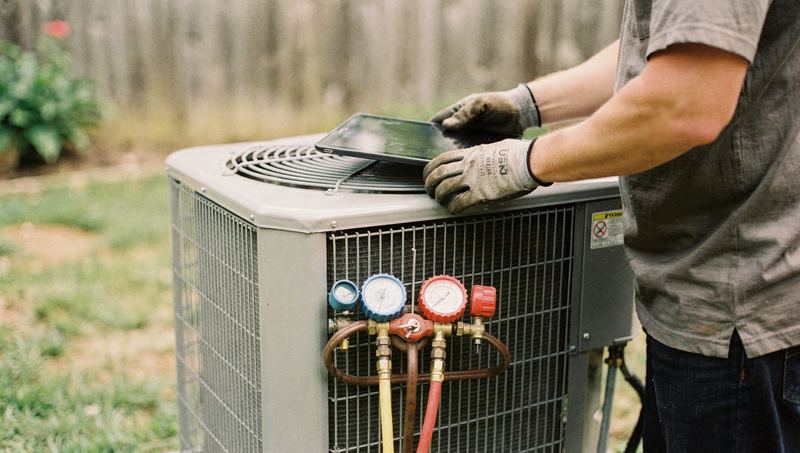
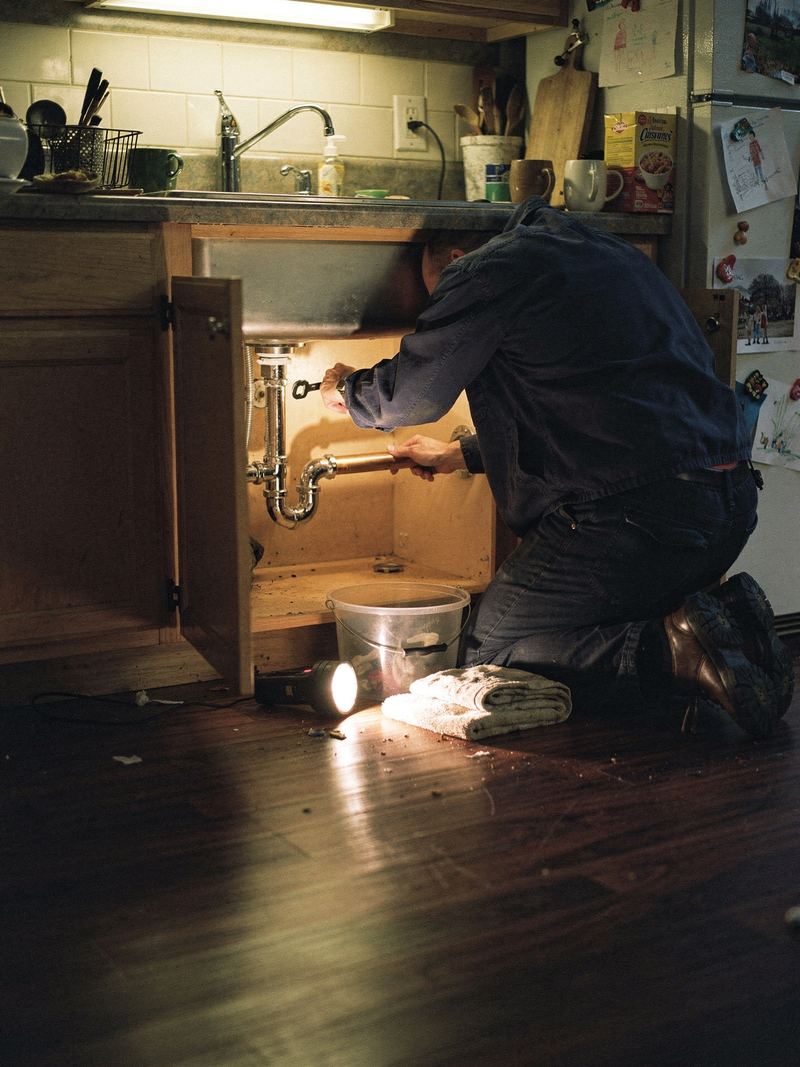
- What we found. The corroded anode rod, the chewed wiring in the attic, the clogged condensate line, the frayed garage door cable. Explain what it means in plain words.
- A tip or seasonal reminder. Change filters, disconnect hoses before a freeze, clean gutters before fall storms, book exterior painting before the schedule fills.
- The team. A new hire, a finished certification, the crew after a tough job. People hire people.
- Community and proof. A youth sports team you sponsor, a real review shared with the customer's permission, a thank-you to a supplier who came through.
Notice what's missing: a feed of nothing but discounts. And never buy followers or fake engagement. Real neighbors can tell.
Here's what that rotation looks like across trades:
| Trade | Before and after | What we found | Seasonal tip |
|---|---|---|---|
| Plumbing | Old tank water heater next to the new install | Sediment flushed from a tank | Insulate exposed pipes before the first freeze |
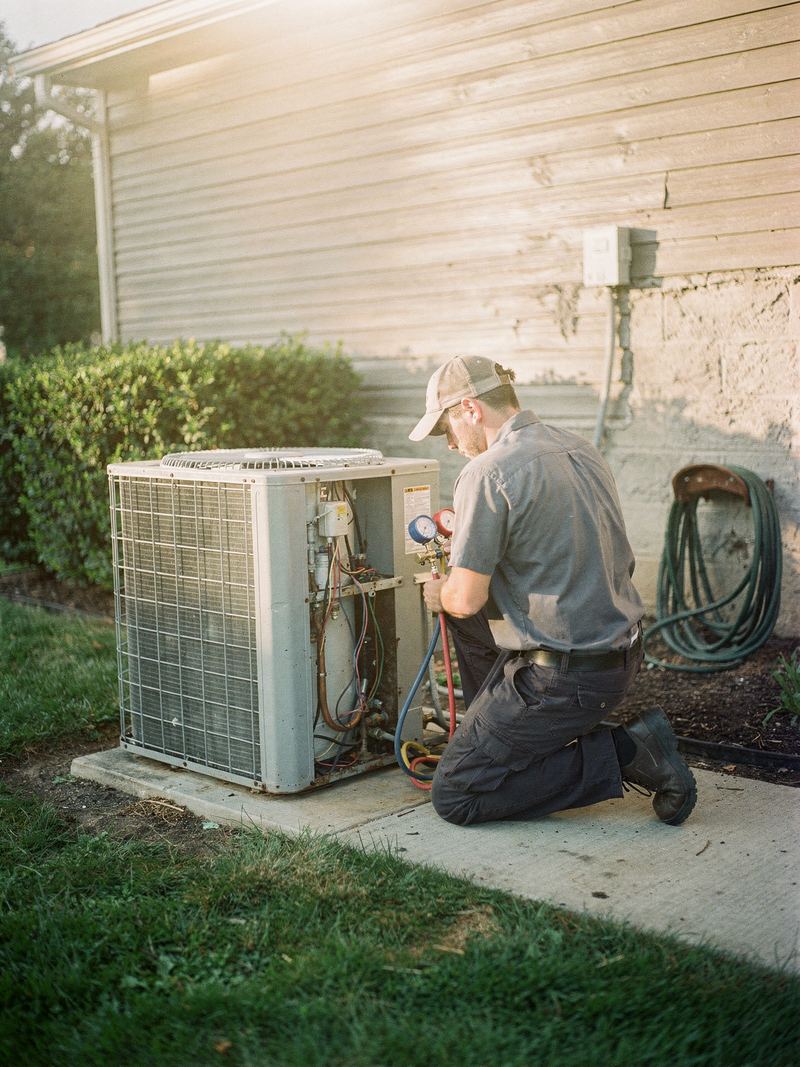
| HVAC | Dirty condenser coil, then clean | A clogged filter behind a return grille | Book a tune-up before the first heat wave |
| Electrical | Cluttered old panel, then a tidy new one | A scorched outlet behind furniture | Test GFCI outlets when you change the clocks |
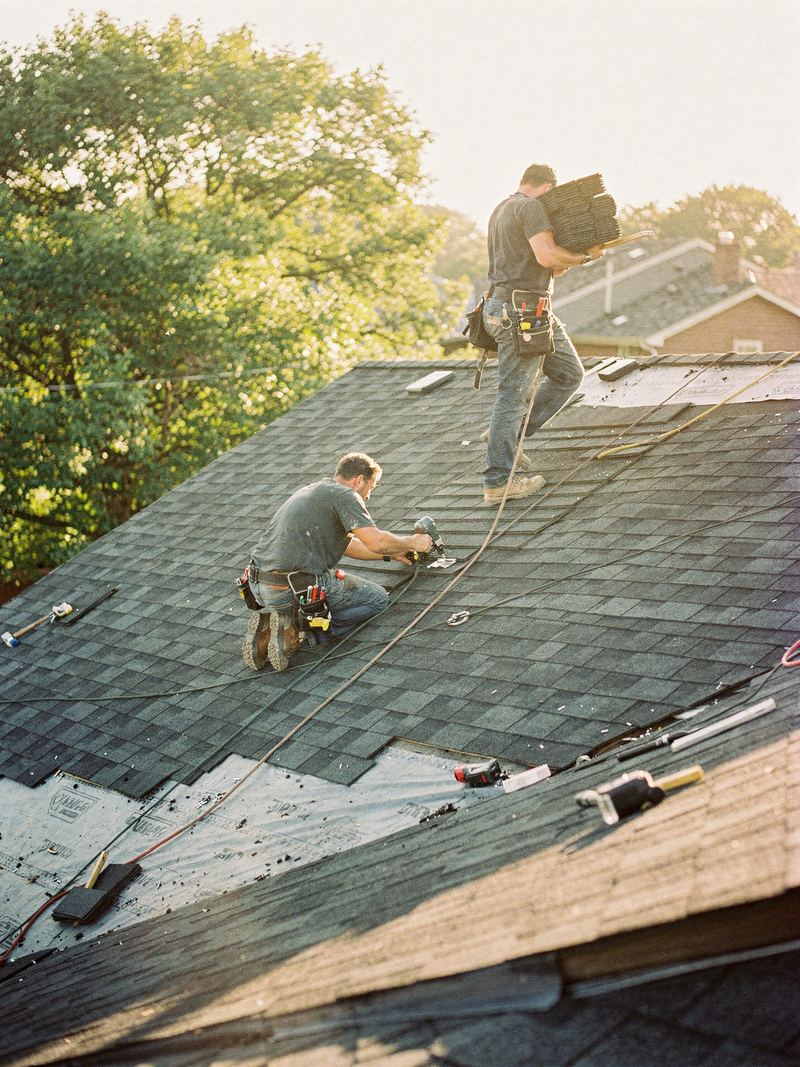
| Roofing | Storm-damaged section, then repaired | Lifted shingles near a vent boot | Check the attic for daylight after a big storm |
| Landscaping | Overgrown bed, then finished planting | Compacted soil under a patchy lawn | Aerate and overseed at the right time for your grass |
| Cleaning | Move-out kitchen, before and after | Buildup behind the fridge | Book spring deep cleans early |
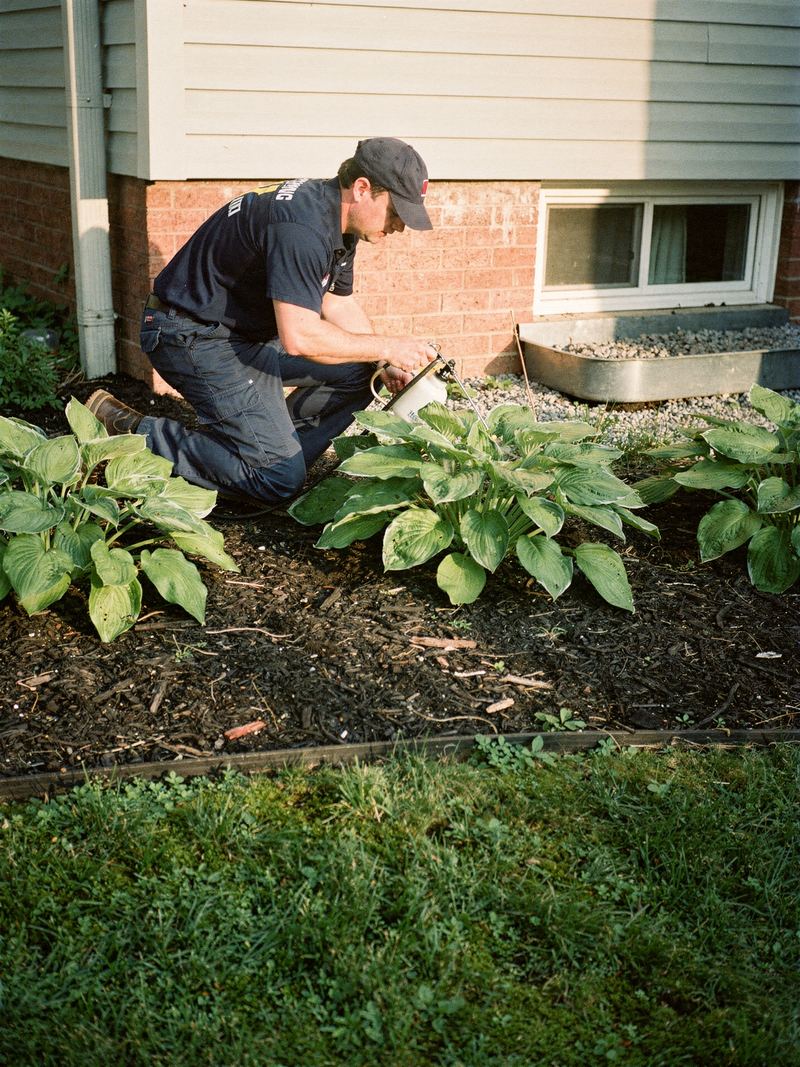
| Pest control | A sealed entry point | A gap under a garage door seal | Seal gaps before rodents move indoors in fall |
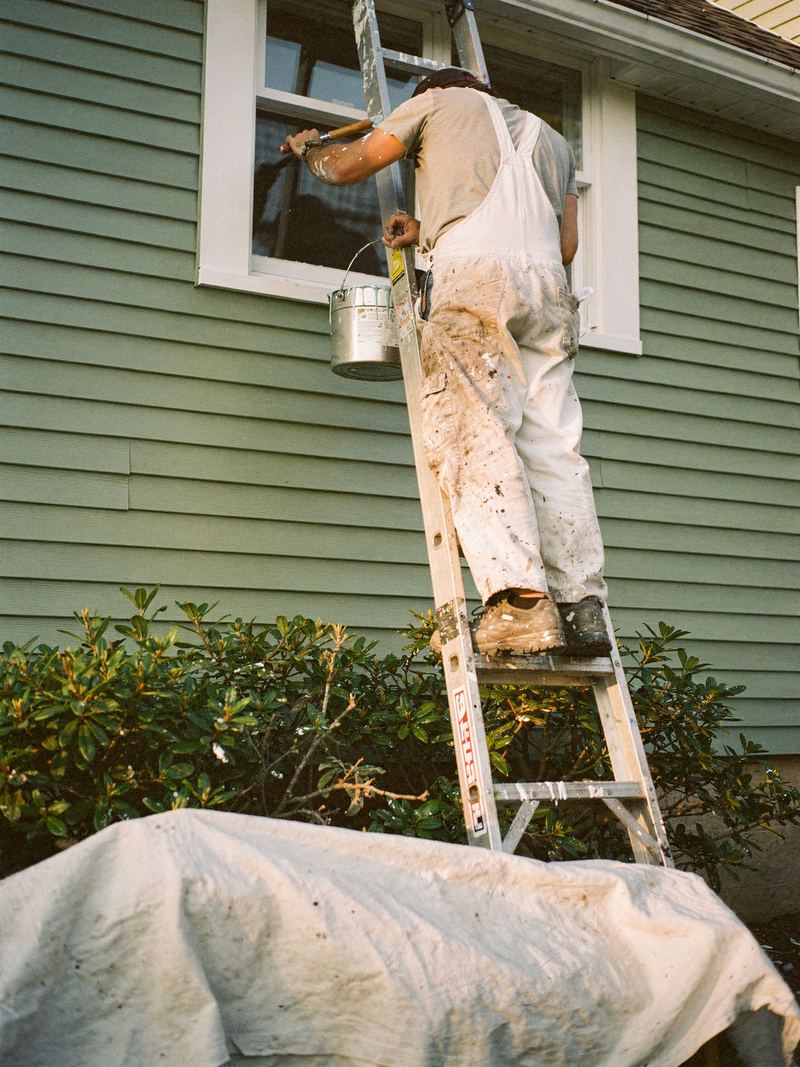
| Painting | Faded siding, then a fresh exterior | Peeling paint from failed caulk | Book exterior work before the busy months |
A routine that fits in 30 minutes a week
Consistency beats volume. Two or three good posts a week, every week, does more than a burst of daily posts that stops after a month.
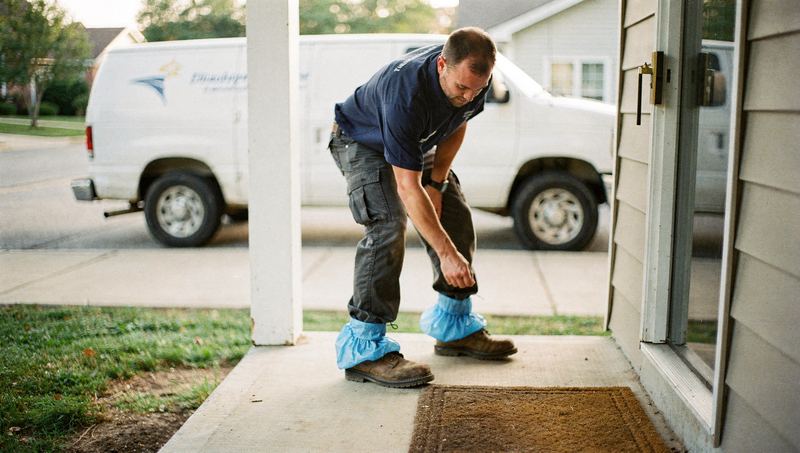
On the job (two minutes). Techs take photos as part of the job, the same way they log parts. Give them a simple shot list:
- A wide "before" shot that shows the setting
- A close-up of the problem
- An "after" from the same spot as the before
- Optional: a 10 to 20 second video of the tech explaining what they did
Once a week (20 minutes). The owner or office manager picks the best two or three jobs from a shared photo album, writes captions and schedules the posts ahead.
Every day (five minutes). Check comments and messages, and reply to every one.
A caption formula
Problem + what you did + where (the town or neighborhood, never the address) + a soft next step.
Sample captions you can adapt:
- "No hot water in [neighborhood] this morning. The culprit was a failed thermocouple on an older gas heater. We replaced it, tested it and showed the homeowner what to watch for. If your pilot light keeps going out, give us a call."
- "This condenser coil hadn't been cleaned in a long time, and the system was working overtime. Twenty minutes later it can breathe again. Spring tune-ups are open now. Link in bio."
- "Before and after from a move-out clean in [town]. Oven, fridge, baseboards and inside every cabinet. If you've got a closing date coming up, book early. The end of the month fills fast."
- "Found this gap under a garage door seal. To a mouse, that's a front door. A new seal and a few gaps packed in the right places, and it's closed. Worth checking before the weather turns."
Keep claims honest. Don't promise same-day service if you can't deliver it, and don't post prices you won't honor. For more ideas, see 97 Instagram captions for home service businesses and Instagram for contractors.
Photo and privacy rules
The quickest way to lose a customer's trust is to post their home without asking. Set these rules and teach them to every tech:
Replying to comments, messages and recommendations
A message on your page is a lead. Treat it like a phone call.
When someone asks for a price in the comments: "Good question. It depends on [the size of the system / how many rooms / the condition of the roof]. Send us a message with a photo and your zip code and we'll give you a range today."
When someone leaves a negative comment: "We're sorry to hear this, [name]. That's not the experience we want anyone to have. Please call [owner name] directly at [number] so we can look into it and put it right."
Reply once, calmly, then take it offline. Never argue in public. More people will read your reply than the complaint.
When you're recommended in a local group: Thank the person who tagged you, by name. Follow the group's rules. Many groups limit self-promotion by businesses, so don't post ads there unless the group allows it.
After hours: set an automatic reply that says when you'll respond and what to do in an emergency, then keep that promise.
Paid posts: boost or skip?
Boosting a post is the simplest paid option. You pay to show an existing post to more people nearby. A campaign built in the platform's ad tool gives you more control over who sees it and what you want them to do.
Paid social tends to suit planned work better than emergencies: spring AC tune-ups, fall furnace checks, maintenance plan sign-ups, gutter cleaning, exterior painting or landscaping booked ahead, and recruiting techs.
If you try it, start with an amount you're comfortable losing, one clear offer, a tight radius around the areas you want work in, and an easy way to respond, like a message button or a page for that offer. Then do the math. Cost per lead is what you spent divided by the leads you got. Say you spend $150 over two weeks and get six messages, and two turn into booked jobs. That's $25 per lead and $75 per booked job. Compare that with your other sources before you spend more.
How to tell if it's working
Likes are nice. Booked jobs pay the bills. Once a month, count:
- Posts published, to check you stuck to the routine
- Messages and comments asking about work
- Jobs where the customer mentioned social media. Ask "How did you hear about us?" on every call and form, and write down the answer
- Recommendations, each time someone tags you in a local group
Give it a full season before you judge it. Social media builds slowly. For more on tracking, see marketing analytics: which calls came from where.
A four-week starter calendar
| Week | Post 1 | Post 2 | Post 3 |
|---|---|---|---|
| 1 | Pinned intro: who you are, where you work, how to book | Before and after | Seasonal tip |
| 2 | What we found | Meet a team member | Before and after |
| 3 | Seasonal tip | A real review, shared with permission | What we found |
| 4 | Before and after | Community post | Short video explainer |
After four weeks, run the rotation again with new jobs. For seasonal hooks through the year, see seasonal promotion ideas for home services.
Your social pages are one piece of how homeowners size you up online. If you'd like to see the rest, including your Google profile, reviews and website, Zome's free AI report shows how your business looks from the customer's side of the screen.