



How to build a patio and hardscape page that ranks
A pattern for a patio and hardscape service page: what to include, how to word it, what to photograph and what homeowners ask, with an outline you can copy.
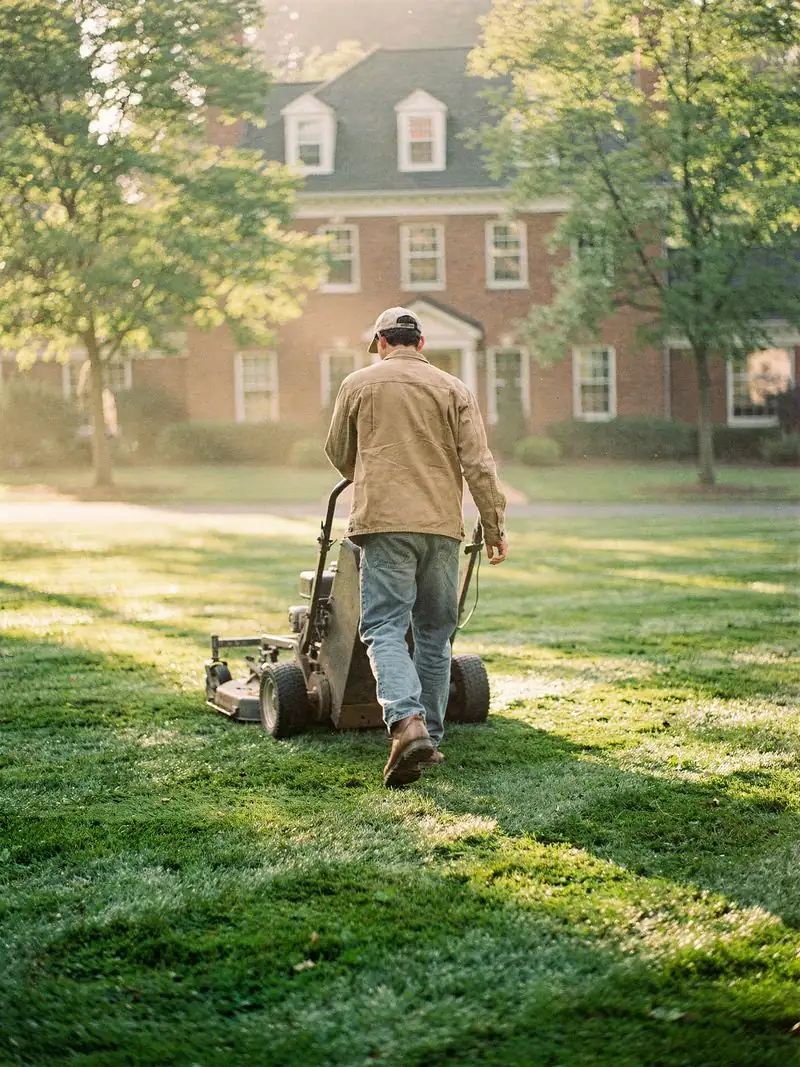
Patios, walkways, retaining walls and fire pits are some of the best jobs a landscaper sells, and the people who search for them are comparing a few companies before they call. A page built just for this work gives you something to show them. This guide is a pattern: the sections to include, what to put in each, and what to photograph. The example wording is hypothetical, so write your own with real details from your jobs.
Start with one clear job per page
Hardscape is a family of services, and a single page that tries to cover everything ends up shallow. A good starting point:
- One main page for patios and hardscape that explains the range and links out.
- Separate pages for the services you sell most: paver patios, retaining walls, walkways and driveways, fire pits and outdoor living.
If you only do two of these, build two pages. Leave out what you don't do. The name of the page should be what a homeowner would type: "Paver patios in [town]" beats "Outdoor Living Solutions".
The sections to include, in order
- A headline and a first paragraph that name the job and the place. "Paver patios and walkways in [town] and nearby" followed by one or two sentences saying what you build and what the homeowner gets.
- A visible way to ask for a consultation. A phone number and a button, above the fold on a phone.
- What the service includes. Design, excavation, base preparation, edging, installation, finishing and cleanup, in plain language. Say what is not included, such as permits or electrical work, if that is how you work.
- How the process goes. Four to six steps: first conversation, site visit, design and quote, scheduling, build, final walkthrough.
- Materials and options. Pavers, natural stone, concrete, poured or stamped surfaces, whatever you really install. A short sentence on the tradeoffs of each helps a homeowner choose.
- How pricing works. You may not want to publish a price, but you can explain what moves it: size, materials, site access, grading, drainage, demolition. Homeowners trust a company that explains the logic. If you give a typical range, make sure it is current and mark the date.
- Photos of your own work, with captions that name the project and town.
- Questions homeowners ask, answered honestly (see below).
- Where you work. The towns you serve, linked to your service area page.
- A closing call to action, repeating the next step.
What to photograph
Hardscape sells on craft, so the photos carry the page.
- A finished wide shot and two or three close-ups that show edges, joints and details.
- Progress shots that show the base preparation. Homeowners don't see this part, and it is where quality lives.
- Before and after pairs taken from the same spot.
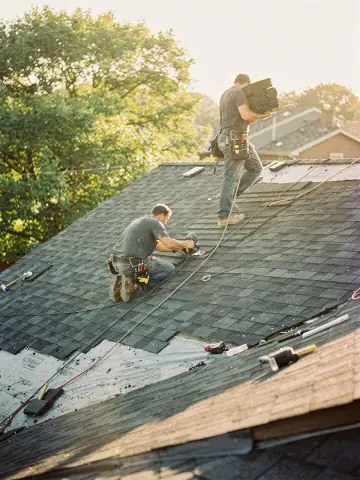
- The crew at work, with permission.
Take photos in good light, avoid cars and clutter, and write alt text that describes the picture: "Curved paver patio with built-in seat wall behind a brick house". Ask customers before you publish photos of their property.
Questions to answer on the page
Use the questions you hear on estimates. A few that come up often in this work, to answer in your own words and for your own region:
- How long does a patio take once you start?
- Do I need a permit? (Rules vary by town. Say who handles it in your process.)
- How do you deal with drainage and settling?
- What kind of base do you use, and how deep?
- What does maintenance look like, and does sealing help?
- What happens if a paver settles or cracks later? What does your warranty cover, in writing?
- Can you work around trees, slopes or existing walls?
Only publish answers you can stand behind. If a figure depends on soil, climate or material, say so rather than quoting a number from memory.
An outline you can copy
Example (hypothetical): Heading: Paver patios and walkways in [Town] Intro: We design and build paver patios, walkways and seat walls for homes in [Town], [Town] and [Town]. Call or request a consultation and we will visit, measure and talk through options. What is included: design layout, excavation, compacted base, bedding layer, pavers, edge restraint, joint sand, cleanup. How it works: 1 Talk, 2 Site visit, 3 Design and written quote, 4 Schedule, 5 Build, 6 Walkthrough. Photos: six finished projects with town names. Questions: five or six, answered. Next step: Request a consultation.
Link the page into the rest of your site
- Link to it from the home page, the services menu and your service area page.
- Link from related pages: a retaining wall page can point to the patio page, and a design page can point to both.
- On town pages, mention hardscape jobs you have done in that town and link to the service page.
- Put the same services on your Google Business Profile, and use the page as the website link where it fits.
Keep it current
Update the page when you finish a good project: swap in a newer photo, add a caption, tighten a paragraph. A page that grows with your work is more useful to visitors than one written once and forgotten. For a bigger picture, read how to get more landscaping leads from Google, the service page checklist and the design-build playbook for a landscaping company.
More guides
All resources Prompt library100 AI prompts for home service businessesCopy a prompt, fill in the brackets with your own details and get a useful first draft in seconds. 100 prompts grouped by the jobs owners actually do every week.
 GuideBusiness plan template for home service companiesTen sections, each with what to write, a checklist and example wording you can adapt. Built for trades owners who want a plan they'll actually use.
 Guide37 Google Business Profile tips for home service businessesA practical list of 37 things to set up, fix and keep doing on your Google Business Profile, written for service businesses that go to the customer.
The easiest way to grow your service business online.
Get your free AI report in about a minute, then see exactly what Zome would fix first.