




Contents
- 1. The phone number is impossible to miss
- 2. The first screen answers three questions
- 3. Two clear paths: "I have an emergency" and "I want to schedule"
- 4. A page for every service people search for
- 5. Service area pages that aren't copy-paste
- 6. Real photos and real people
- 7. Trust details, up front
- 8. Straight talk about price
- 9. Helpful answers to real questions
- 10. Built for phones, and fast
- 11. Every lead is tracked
- Score your plumbing website in 10 minutes
- Where to start if yours falls short
- See how your site measures up
When someone's basement is filling with water, they don't browse. They open a few sites from the search results and call the first one that looks like it can help right now. The best plumbing websites are built for that moment, and for the calmer customer planning a water heater replacement or a bathroom remodel. Here's what they have in common, with templates you can borrow and a checklist to score your own site.
1. The phone number is impossible to miss
On a phone, your number should sit at the top of every page and stay there as people scroll. It should be real text that dials when tapped, not part of an image.
Put your hours right next to it, and be precise:
- If someone really answers around the clock: "Call any time. A real person answers, day or night."
- If you don't: "Mon to Sat, 7am to 7pm. After hours? Text us and we'll reply first thing."
Never say "24/7" unless your phone gets answered at 3am. A customer with a burst pipe who reaches voicemail won't give you a second chance, and may leave a review about it.
Make the number match the one on your Google Business Profile, your truck and your invoices. If you use tracking numbers to see where calls come from, set them up so your main number stays consistent on Google and in directories.
2. The first screen answers three questions
Before anyone scrolls, the top of your homepage should tell them what you do, where you do it and why they should call you. Headline formulas that work:
- "[Town] plumbers for leaks, drains and water heaters"
- "Plumbing repairs and replacements across [County], priced before we start"
- "Emergency plumbing in [Town], answered by a real person" (only if that's true)
Under the headline, add one line of proof that you can back up: your license number, how long you've been in business, or your real Google rating with a link to your profile. Then one clear button: "Call now" or "Book a visit".
3. Two clear paths: "I have an emergency" and "I want to schedule"
Plumbing customers arrive in two moods. A good site gives each one its own path.
The emergency path is a big call button plus a short box that tells people what to do while they wait. Something like this:
While you wait for us
- Shut off your main water valve. It's usually where the water line enters the house, in a basement, crawl space, garage or utility closet. Some homes have one at the meter box near the street.
- If the water heater is leaking, close the cold water valve on top of it. For a gas heater, turn the gas control to "off". For an electric heater, switch off its breaker.
- Stay away from water near outlets, cords or the electrical panel. Don't stand in water to reach a switch.
- Open a faucet on the lowest floor to drain what's left in the pipes.
- Take photos of the damage for your insurance company.
A box like this is genuinely useful, it shows you know what you're doing, and it keeps the customer calm until you arrive.
The scheduled path is for faucet installs, water heater replacement quotes, repipes and remodels. A simple request form or online booking suits these customers, many of whom would rather not call during work hours. See how to add online booking to your website.
4. A page for every service people search for
One "Services" page with a bulleted list won't rank for much, and it doesn't answer the questions people have. The strongest plumbing sites give each main service its own page. Common ones:
- Emergency plumbing
- Drain cleaning and hydro jetting
- Sewer line repair, replacement and camera inspection
- Water heater repair and replacement, including tankless
- Leak detection and slab leaks
- Repiping
- Toilet, faucet and fixture repair and installation
- Garbage disposals
- Sump pumps
- Gas lines
- Water softeners and filtration
- Backflow testing
- Frozen and burst pipes
Only build pages for work you actually do and want more of. Start with your best-paying jobs.
A service page outline that works
- Headline with the service and area: "Water heater replacement in [Town]"
- Signs you need this, in the words customers use: "water heater leaking from the bottom", "only lukewarm water", "rumbling noises"
- What happens on the visit, step by step, from arrival to cleanup
- Repair or replace? Honest guidance on when each makes sense
- How you price it: your approach, any trip or diagnostic fee, and a starting price if you're comfortable showing one
- Photos of real jobs you've done
- Three to five FAQs you actually hear on the phone
- A call button and a booking button at the end
For a full checklist, see a service page that earns the next click.
5. Service area pages that aren't copy-paste
Many plumbing sites have dozens of town pages with the same paragraph and a different town name swapped in. They don't help customers, and they don't do much for search either.
A good area page says something that's only true of that place: the neighborhoods you cover, the kinds of homes there (older houses with galvanized pipe, newer builds on slabs, homes with basements and sump pumps), local hard water, local permit requirements, and photos of work you've done nearby with the customer's permission. If you can't write something specific about a town yet, cover it on a broader regional page instead.
For more, read local SEO for plumbers and the plumber SEO guide.
6. Real photos and real people
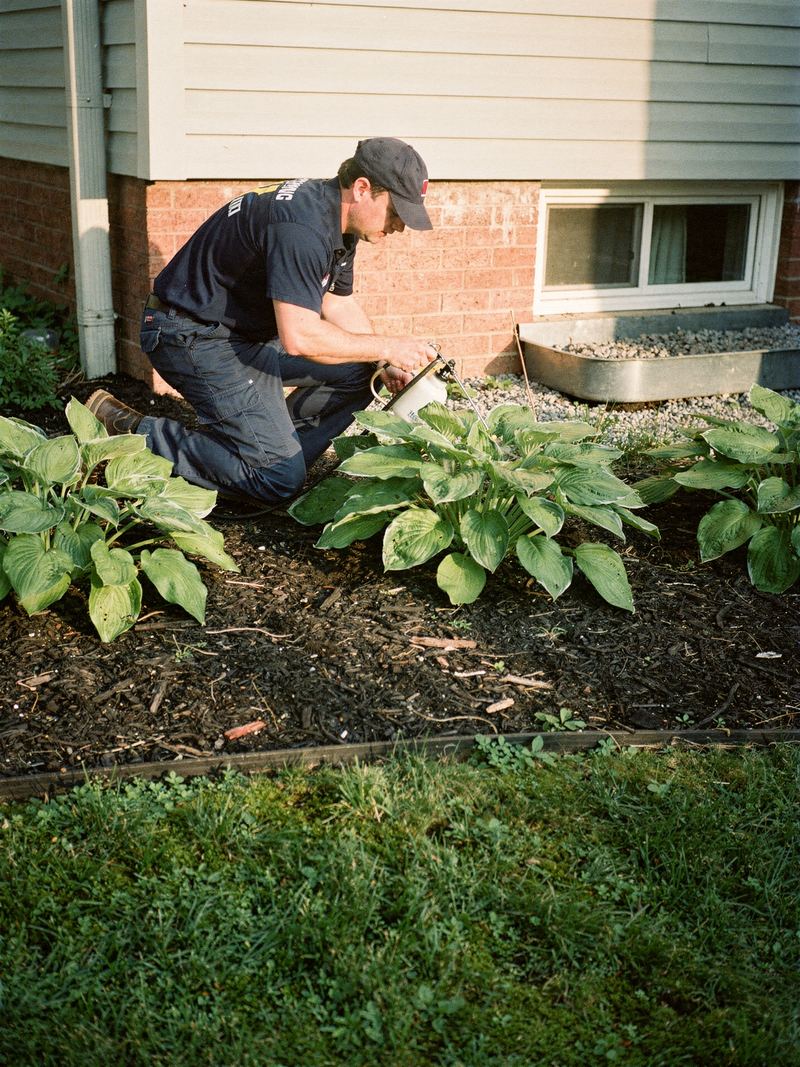
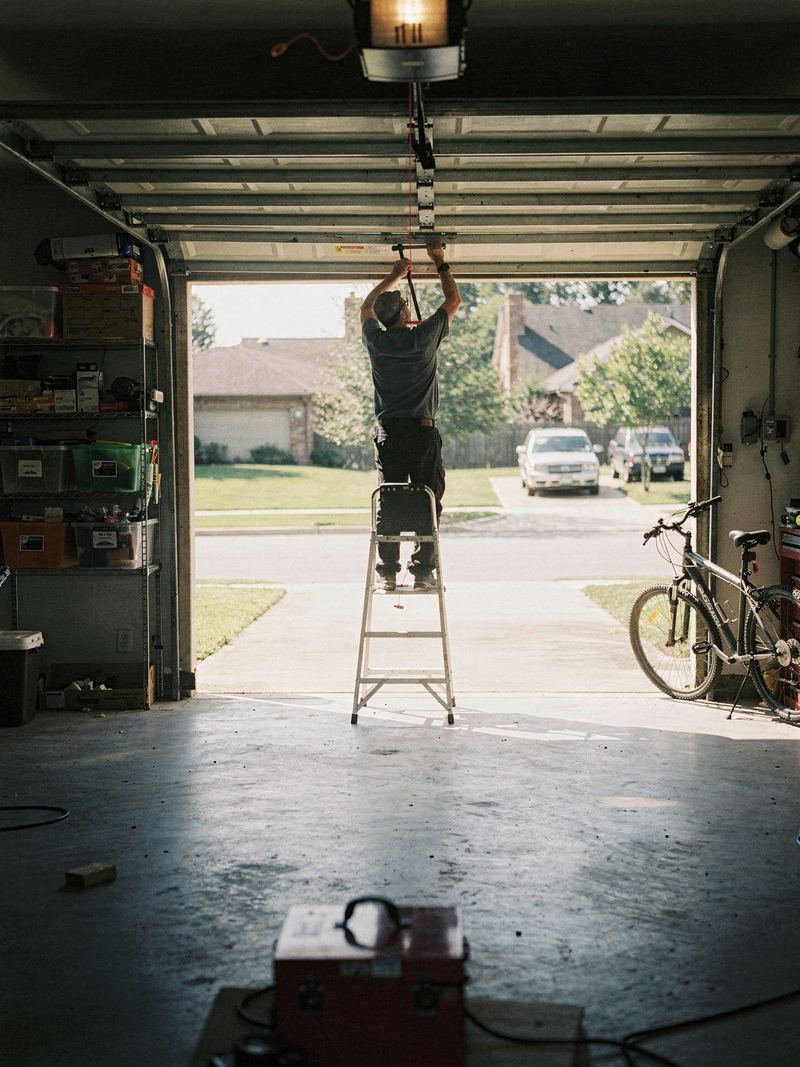
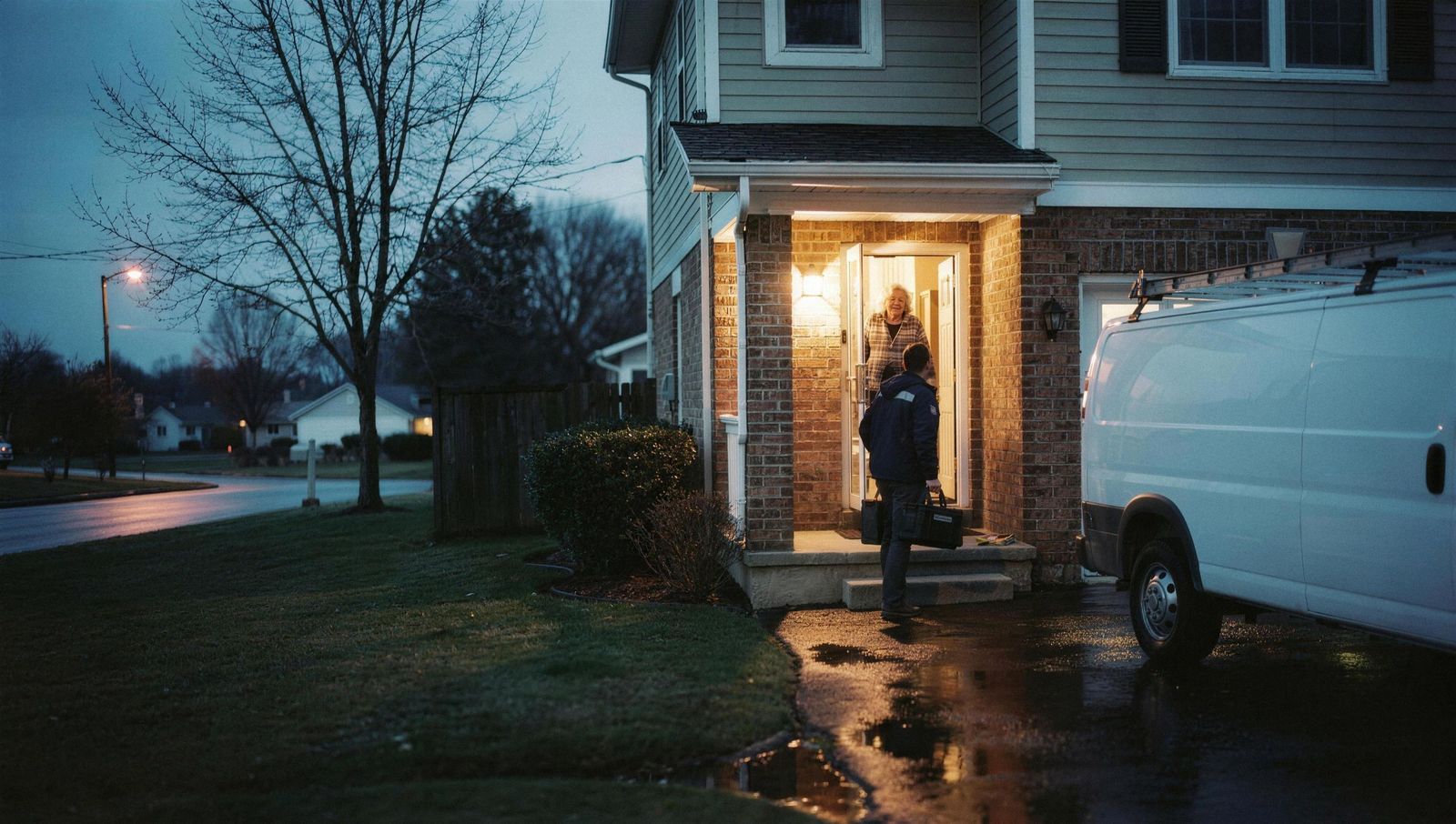
Stock photos of smiling models holding a wrench fool nobody. The best plumbing sites show:
- Your trucks, clean and branded
- Your techs at work, with their permission
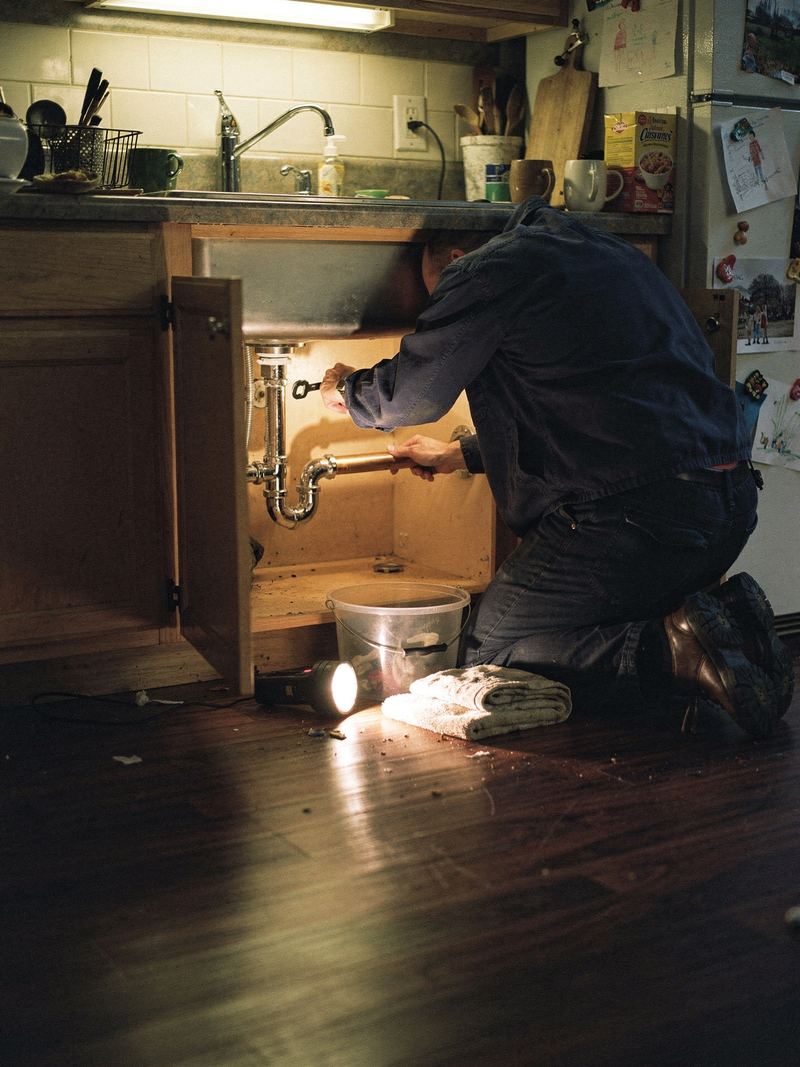
- Tidy installs: a new water heater with neat piping, a manifold with every line labeled, a clean trench before backfill
- The owner, with a short, true story about why the business exists
Use good light and a steady hand, and keep customers' house numbers, faces and personal belongings out of shot.
7. Trust details, up front
People are letting a stranger into their home. Make it easy to trust you:
- License number, shown clearly. If your state has an online license lookup, link to it.
- Insurance, stated plainly.
- Your guarantee in plain words, and only what you'll actually honor. "If the same leak comes back within [period], we fix it at no charge" is clearer than "100% satisfaction guaranteed".
- Background checks on techs, but only if you do them.
- Real reviews. Show your actual Google rating, link to your profile and quote reviews word for word with the customer's permission. Fake or bought reviews can get you in trouble with Google and with regulators.
8. Straight talk about price
The fear of a surprise bill stops a lot of people from calling. You don't have to publish a full price list, but you should explain how pricing works. A short block like this on your homepage or pricing page helps:
"How our pricing works: We charge a $[amount] diagnostic fee to come out and find the problem. Before we start any work, we give you a flat price for the job in writing. If you go ahead, [the diagnostic fee is credited toward the job / is separate]. No surprises on the invoice. We accept [payment methods][, and financing is available on larger jobs]."
Fill in only what's true for your business. For more on setting the prices themselves, see how to price your services.
9. Helpful answers to real questions
The best plumbing sites answer the questions homeowners type into Google before they call anyone. Short, practical articles like these help people and bring in search traffic:
- How to find your main water shutoff
- Why is my water heater making popping noises?
- What to do when a pipe bursts
- Are chemical drain cleaners safe for my pipes?
- Tank or tankless for a family in [Town]?
- How to keep pipes from freezing
Each one should end with a gentle next step: "If you'd rather have us take a look, call [number]."
10. Built for phones, and fast
Someone dealing with a leak is usually on their phone, often with one hand. Your site should:
- Load quickly. Compress photos, skip autoplay video and avoid heavy pop-ups. Google's free PageSpeed Insights tool shows what's slowing you down.
- Have buttons big enough for a thumb.
- Use short forms: name, phone, ZIP code, what's going on, and an optional photo upload. A photo of the leak or the water heater label helps you bring the right parts.
- Tell people what happens next after they submit: "Thanks. We'll text you within [real timeframe] during business hours."
- Be readable for everyone: good contrast, real text instead of text in images, and labels on every form field.
11. Every lead is tracked
The best sites help the owner learn as well as sell. Make sure every form sends a notification to someone's phone right away, and that you can see which pages and sources bring in calls. That tells you whether your new water heater page is working or whether your money is better spent elsewhere. See marketing analytics: which calls came from where.
Score your plumbing website in 10 minutes
Open your site on your phone and check each item:
Where to start if yours falls short
Fix things in this order, since the first items affect every visitor:
- Tap-to-call number and accurate hours
- A first-screen headline that says what you do and where
- The emergency "while you wait" box
- Service pages for your three most valuable jobs, often water heaters, drains and repipes
- Real photos
- A plain explanation of your pricing
- Area pages for the towns you most want to work in
For the wider view, see how to build a contractor website that books jobs, contractor website design: 15 details that win jobs and the guide to high-converting contractor websites. If you run plumbing alongside other trades, the same principles apply to each service line.
See how your site measures up
If you'd like an outside view of your current site, Zome's free AI report checks your website and Google presence and shows which of these gaps to close first.