




Contents
The best home service websites aren't the flashiest. They answer a stressed homeowner's questions in the order they ask them: Do you do this? Do you come to me? Can I trust you? What will it cost? How do I book?
Below are 22 ideas you can borrow, grouped by the job they do. Each one says why it works and how to add it. The examples are hypothetical, so swap in your own trade, towns and details. For design specifics, see contractor website design: 15 details that win jobs.
The first screen
1. A headline that names the job and the place
"Quality service you can trust" could be anyone. "Same-day drain and water heater repair in [your town] and nearby" tells a searcher they're in the right place. Put your main services and your area in the headline, in the words customers use. A landscaper might write "Weekly lawn care and patio installs across [county]." A cleaner might write "Recurring and move-out house cleaning in [city]."
A few rewrites to show the difference:
| Trade | Vague | Specific |
|---|---|---|
| Plumbing | Your trusted plumbing experts | Drain, leak and water heater repair in [town], same day when we can |
| HVAC | Comfort you can count on | Heating and AC repair, tune-ups and new systems across [county] |
| Electrical | Powering your home | Licensed electricians for panels, EV chargers and repairs in [city] |
| Roofing | Quality roofing solutions | Roof repair, storm inspections and replacements in [area] |
| Cleaning | Sparkling clean, every time | Weekly, biweekly and move-out house cleaning in [city] |
2. A phone number you can tap
On a phone, your number should be one tap away at all times. A sticky call button along the bottom of the mobile screen works well for emergency trades. Test it on your own phone, from the page a customer is most likely to land on.
3. Two doors: urgent or planned
Someone with water on the floor and someone planning a bathroom remodel want different things. Give them two clear buttons:
- Plumbing: "Need help today?" and "Planning a project?"
- HVAC: "No heat or no cool?" and "Thinking about a new system?"
- Roofing: "Leak or storm damage?" and "Planning a new roof?"
- Electrical: "Power problem?" and "Panel, EV charger or remodel?"
The urgent door leads to a call or text. The planned door leads to a form or booking.
4. Honest hours and availability
If you answer calls until 9 p.m. but don't dispatch after 6, say that. "24/7" that goes to voicemail loses trust the first time someone tests it. Tell visitors what actually happens when they call at night or on a Sunday.
Trust
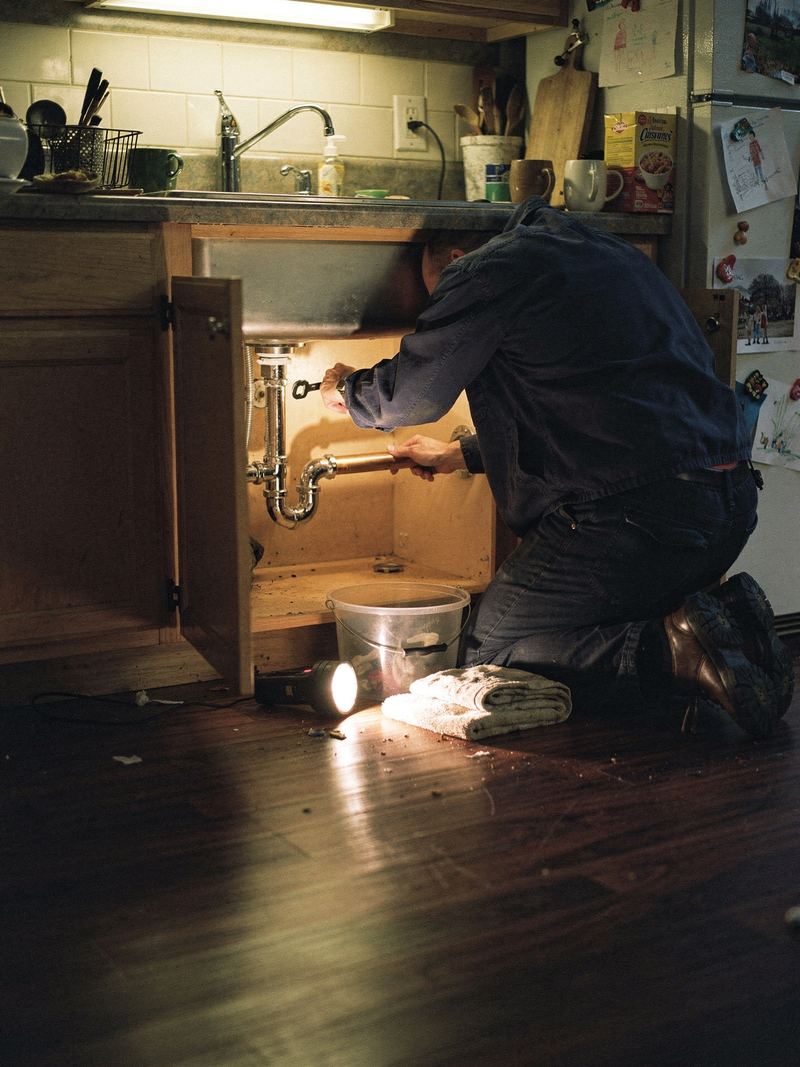
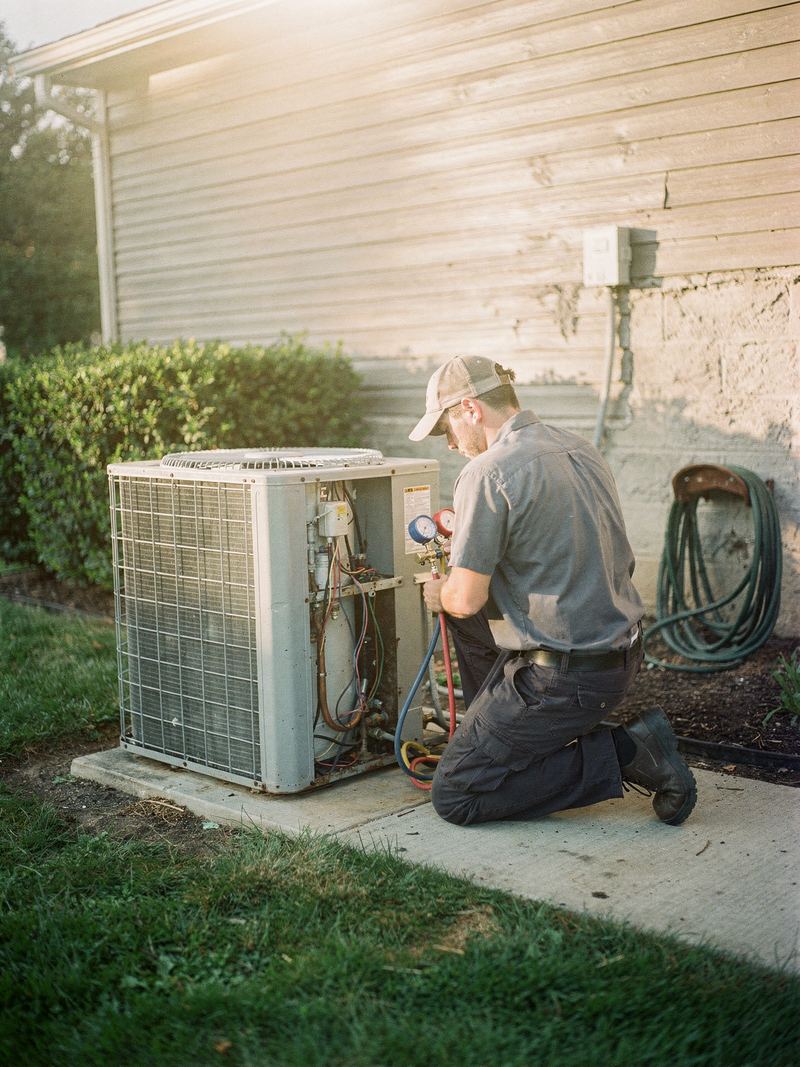
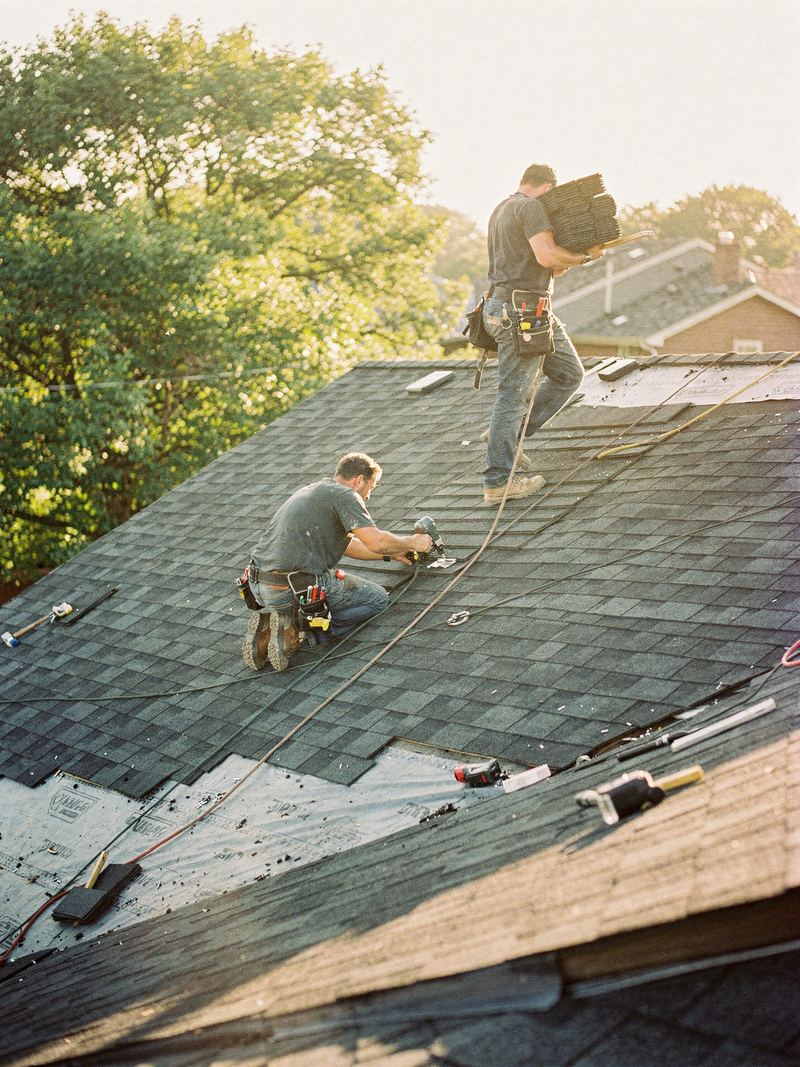
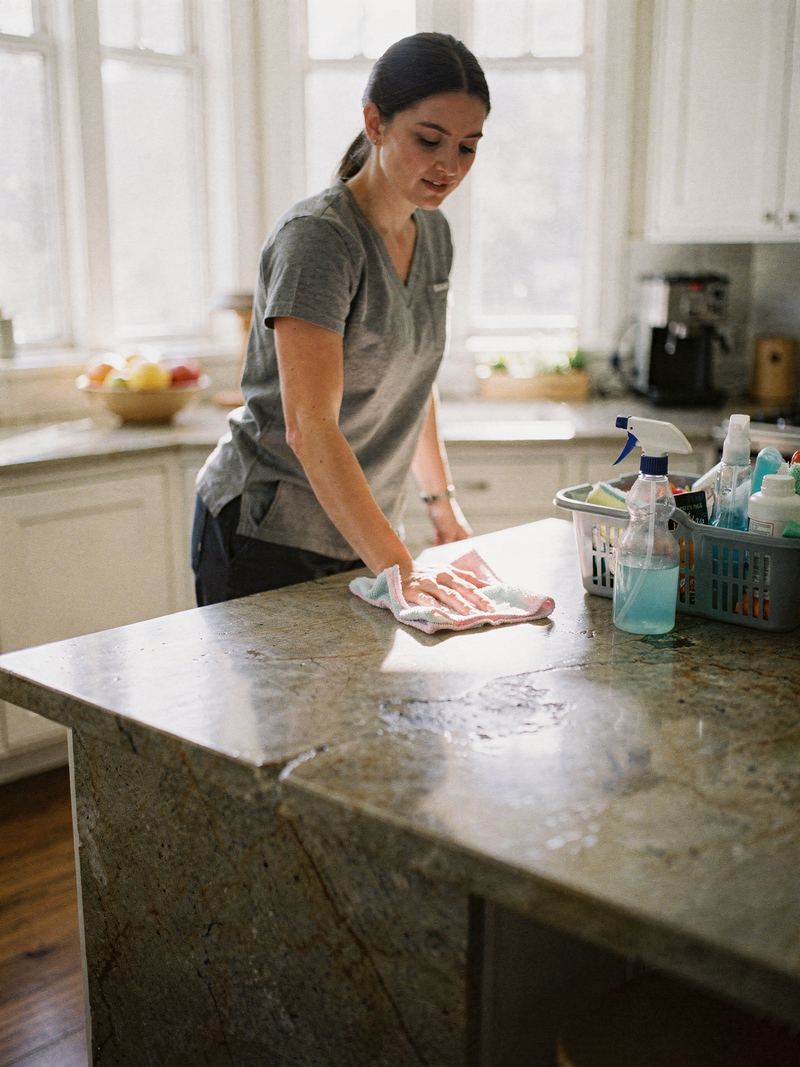
5. Real photos of your people, trucks and work
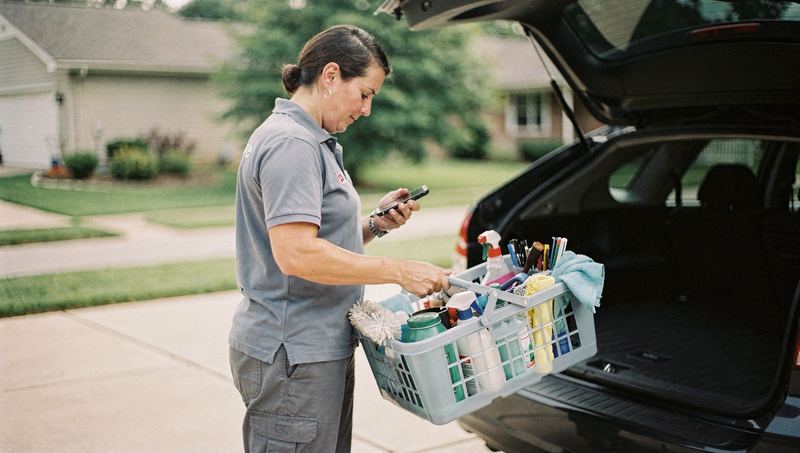
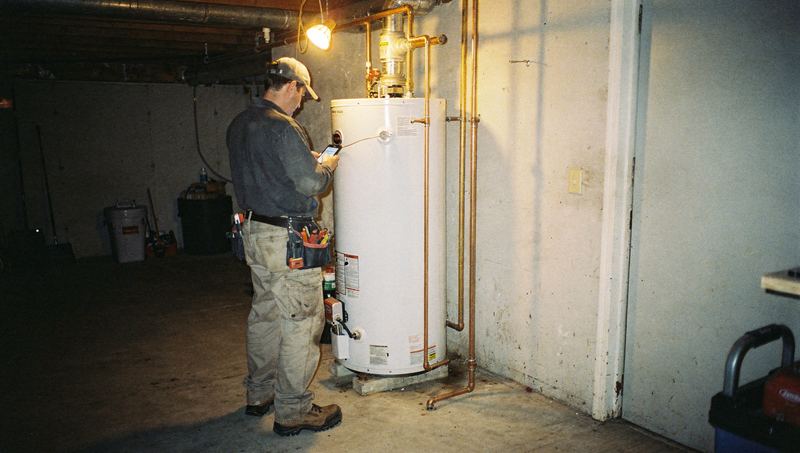
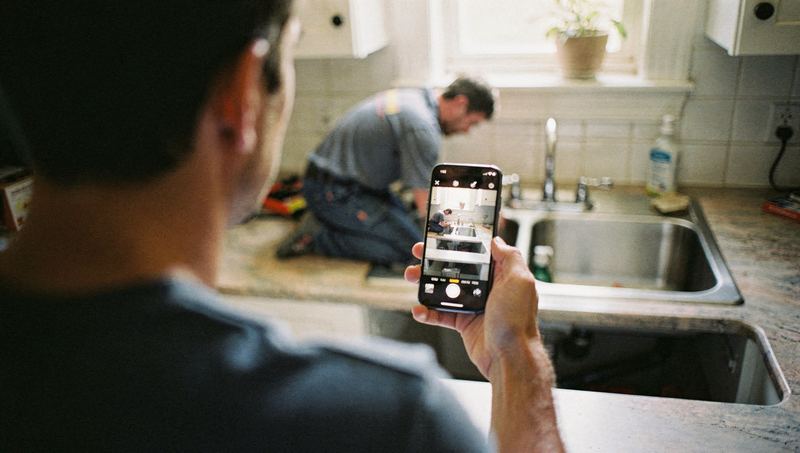
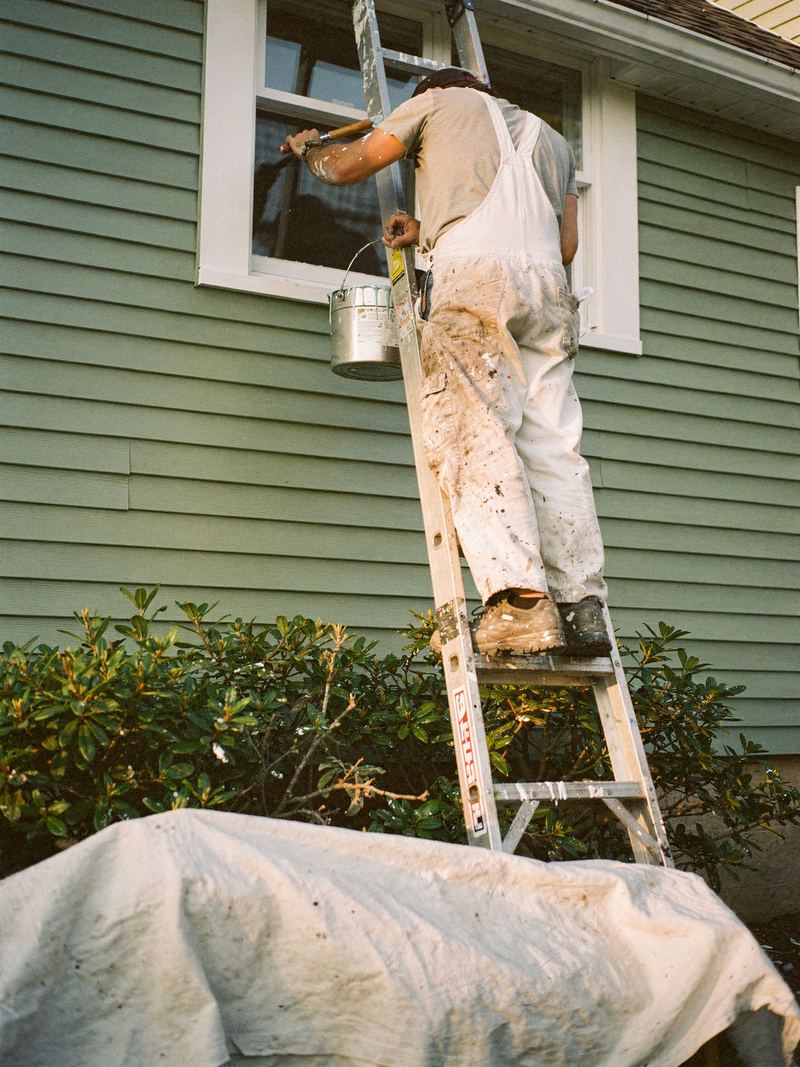
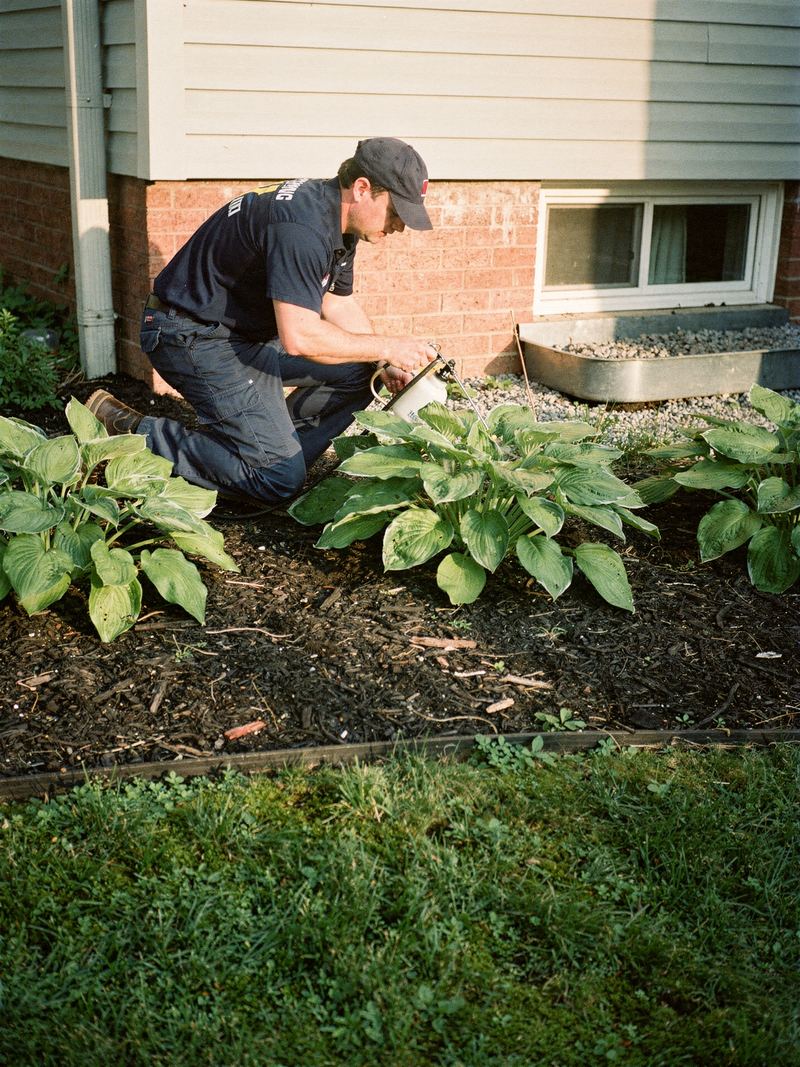
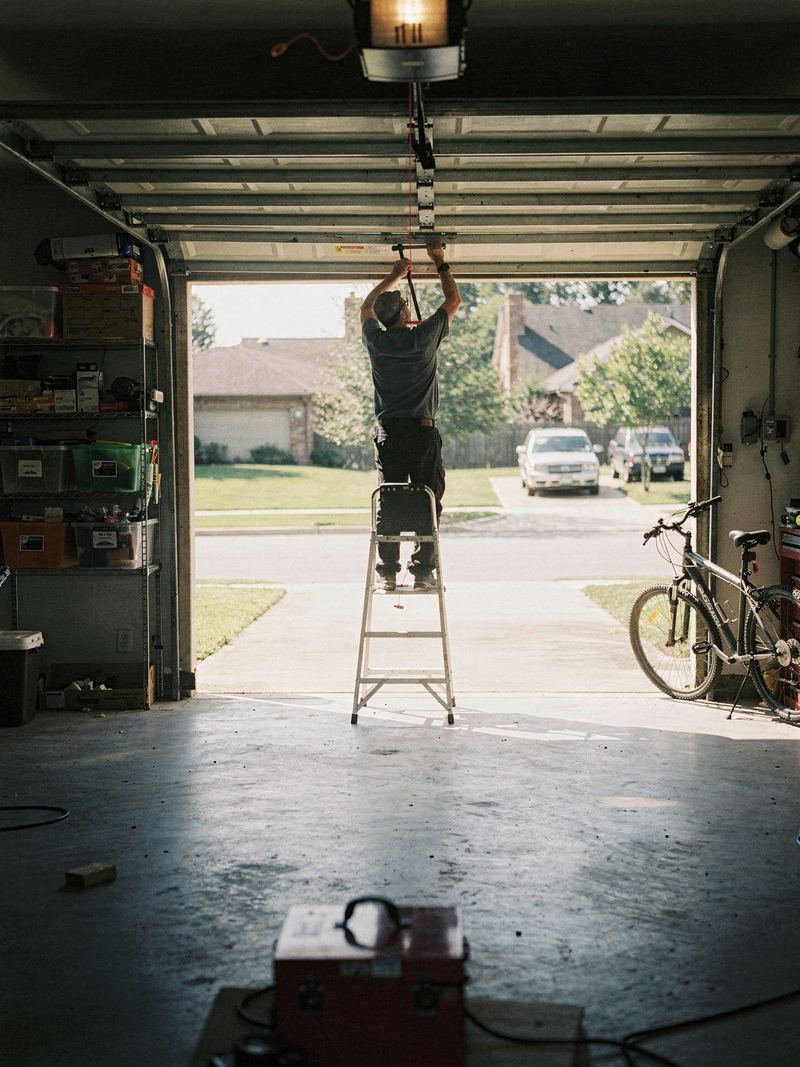
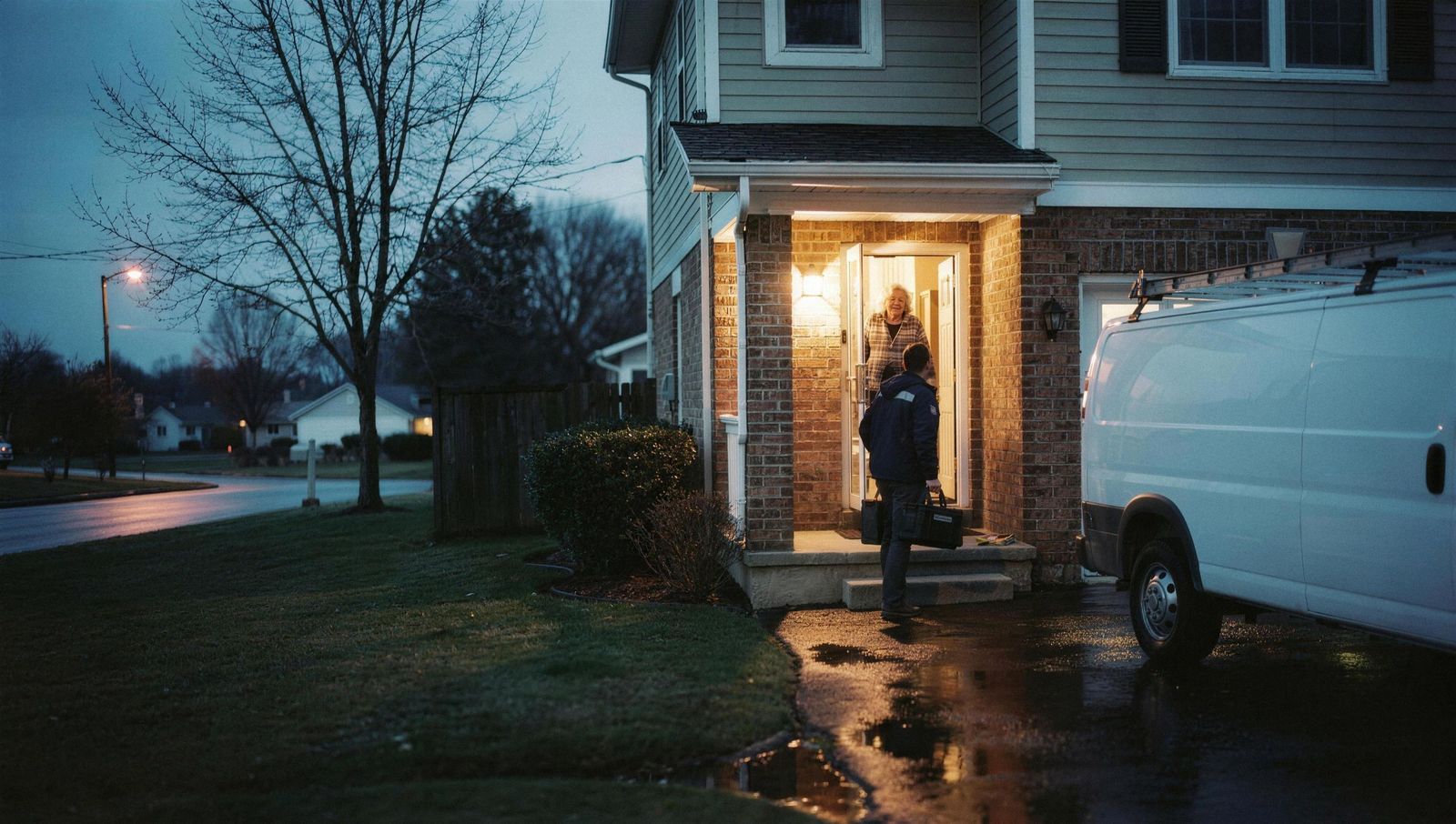
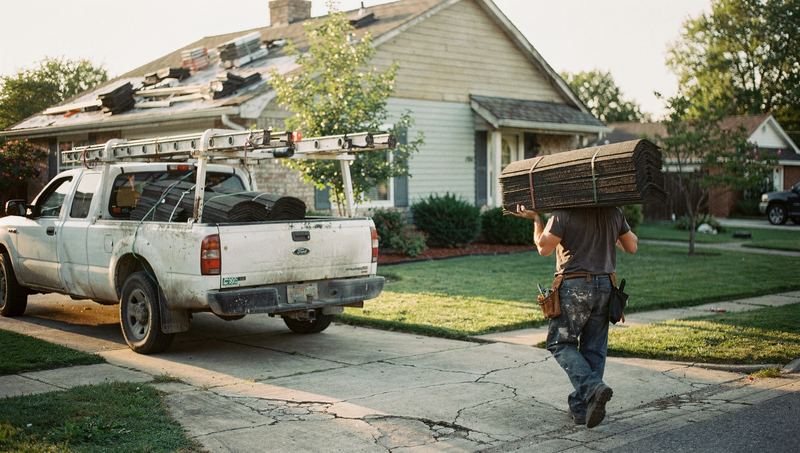
Stock photos of models in spotless uniforms are easy to spot. A photo of your actual van in a real driveway beats them. Take photos on jobs with the customer's permission, and keep house numbers and faces out unless you have consent.
6. License, insurance and certifications, with details
Don't stop at "licensed and insured." Show your license number where your state lets customers look it up, and name the certifications your techs hold. Careful buyers of electrical, HVAC and roofing work check these.
7. A short owner's story
Two or three sentences and a photo: who started the business, how long you've worked in the trade, why you do it. People hire people, and a real face on the About page helps.
8. Reviews from real sources, linked
Show a few recent reviews and link to where they live, such as your Google profile, so visitors can read the rest. Never edit a review's meaning or post one you can't source. A fair review process is worth more than a perfect score; see asking for reviews without filtering the truth.
9. A plain-English guarantee, if you have one
Only promise what you actually honor, and say it in plain words. For example, "If the same leak comes back within 90 days, we'll return and fix it at no charge" is clearer than "100% satisfaction guaranteed." Spell out what's covered and what isn't.
Service pages that answer the money questions
10. One page per service
A single "Services" page with 20 bullet points doesn't help anyone. Give each main service its own page: water heater replacement, drain cleaning, panel upgrades, roof repair, weekly lawn care, move-out cleaning. Each page should explain when to call, what's included and what happens next. Our service page checklist walks through it.
11. What affects the price
Many owners don't want to post prices, and some jobs genuinely vary. You can still help. List what drives the cost (access, materials, size, urgency), share typical ranges if you're comfortable, and state fixed fees like trip or diagnostic charges up front. A surprise on the invoice hurts more than a range on the website.
12. "What happens after you call"
Three short steps take away a lot of worry: "1. We ask a few questions and book an arrival window. 2. Your tech texts when they're on the way. 3. You get a written price before any work starts." Only list steps you deliver every time.
13. FAQs that people actually ask
Skip "Why choose us?" and answer the questions your office hears every week:
- Plumbing: "Can I use my water while you're working?"
- Cleaning: "Do I need to be home?"
- Roofing: "Will you work with my insurance company?"
- Landscaping: "What happens if it rains on my service day?"
- HVAC: "Should I repair or replace a system this age?"
14. A before-and-after gallery with the story
Photos alone are fine. Photos with two sentences are better: what the customer was dealing with, what you did and how it turned out. This works especially well for roofers, painters, landscapers and cleaners, where the result is easy to see.
Local proof
15. A real service area
List the towns and neighborhoods you serve, and be honest about the edges: "We serve [Town A], [Town B] and [Town C]. For [Town D], call first." It saves wasted calls on both sides and helps people in those towns find you.
16. Local pages with real local detail
If you build pages for nearby towns, fill them with something real: common issues you see there (older homes with original plumbing, hard water, clay soil, tall trees over roofs), work you've done there and how you schedule that area. Pages that only swap the town name don't help customers.
17. "What to do right now" guides
Short, genuinely useful emergency guides earn trust at the moment someone needs you. Ideas: how to find and shut off your main water valve, what to check before calling about a tripped breaker, what to do when the AC runs but doesn't cool, how to limit water damage from a roof leak without climbing onto the roof. End each guide with an easy way to call.
Booking and follow-up
18. A short form that asks the right questions
Ask what the job is, where it is and how urgent it is. Make photos optional; they help a lot with roofing, landscaping and cleaning quotes. Every extra required field loses someone. See getting the context before the callback.
19. Online booking where it fits
Tune-ups, maintenance visits, recurring cleans and estimate appointments book well online. Complex emergencies usually need a call. Offer booking only for job types where you control the time slots. More in how to add online booking to your website.
20. A thank-you page that sets expectations
After someone sends a form, tell them what happens next and when: "We reply to requests within one business hour during office hours. Emergency? Call us now." Then make sure that's true.
21. Maintenance plan and financing pages that explain
If you offer a maintenance membership or financing, give each its own page in plain language: what's included, how pricing works, and how to cancel. Clear terms build trust. Vague ones do the opposite.
22. A page for property managers and commercial clients
If you want commercial work, give it a page: the services you offer, response times you can keep, how you invoice, and a way to request your insurance certificate. See how to win commercial contracts and property managers.
The basics that sink good ideas
None of this matters if the site is slow or broken on a phone. Once a month, run through this list:
Where to start
Don't try all 22 at once. Pick the three that fix your biggest gap. For most businesses that's the headline, the tap-to-call button and one strong page for your most profitable service. Then add one idea a week. If you'd like an outside view of where your site stands, Zome's free AI report checks your website and Google presence against nearby competitors.